
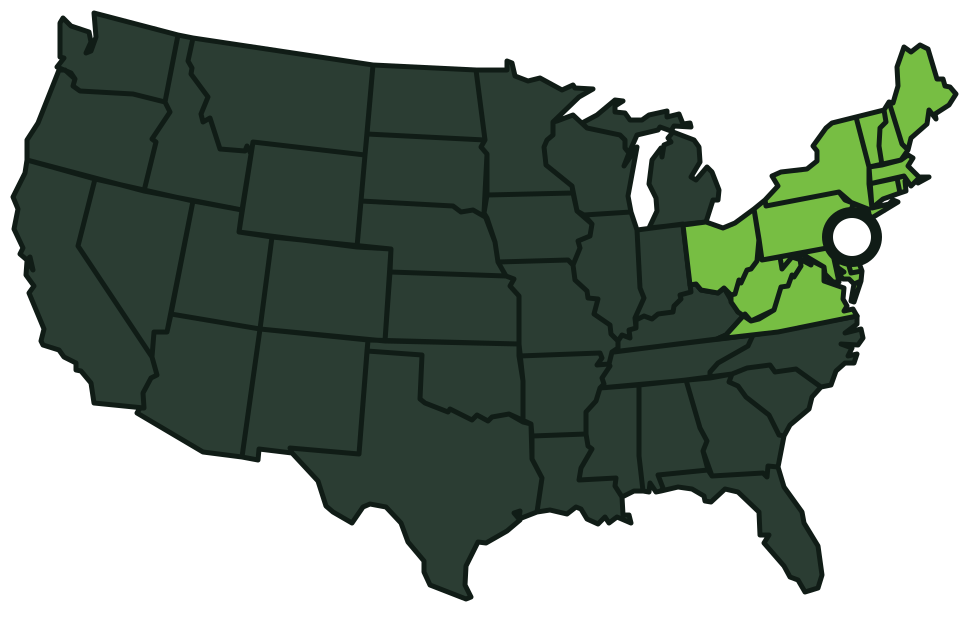
 Philadelphia, PA
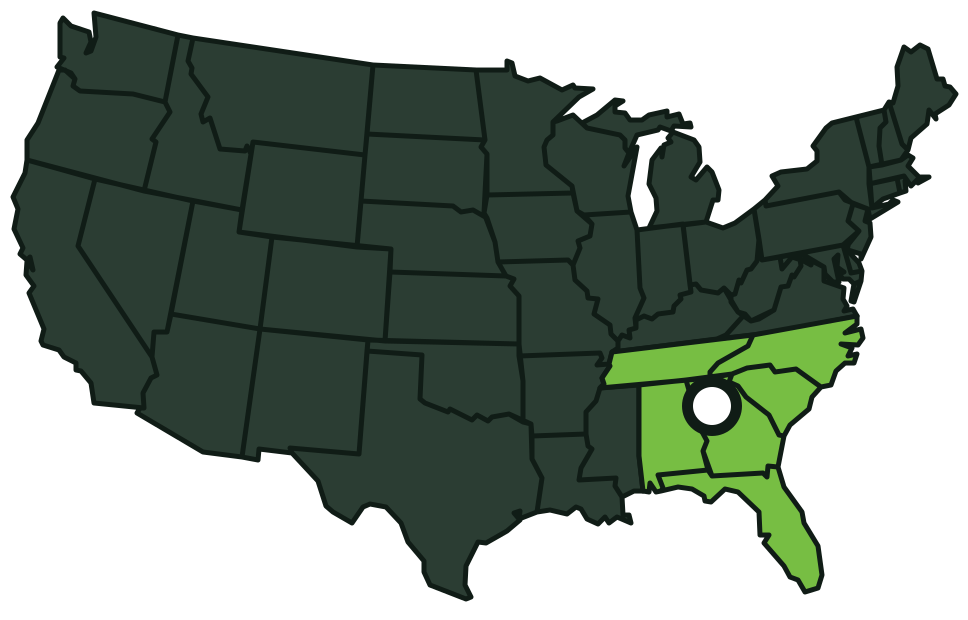 Atlanta, GA
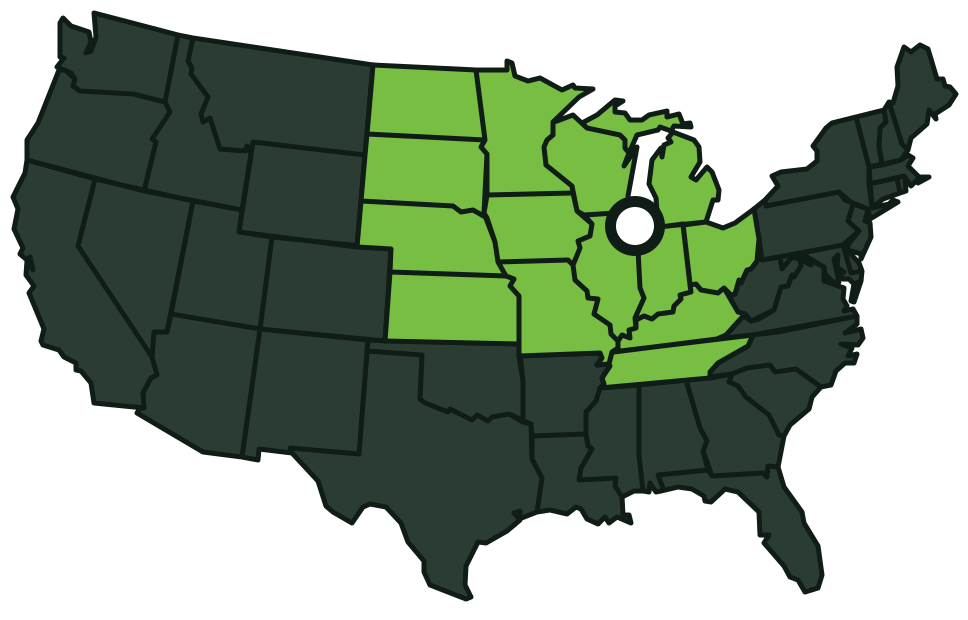 Chicago, IL
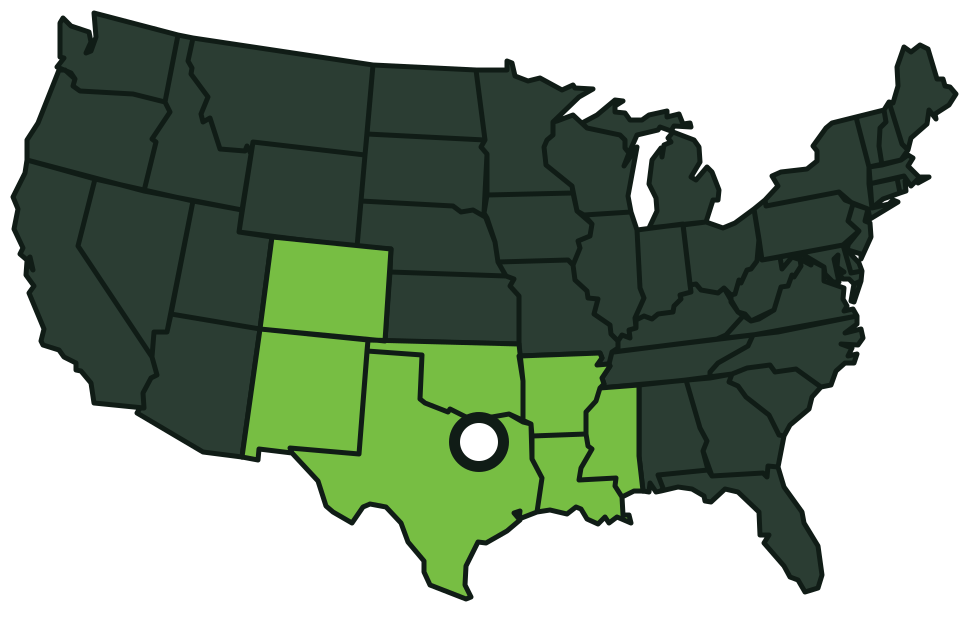 Dallas, TX
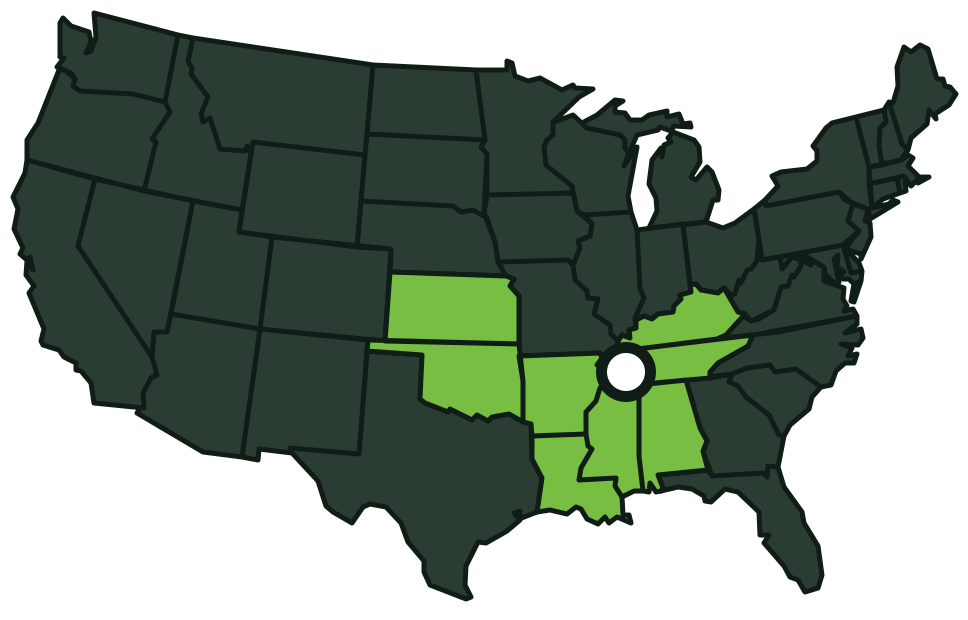 Jackson, TN
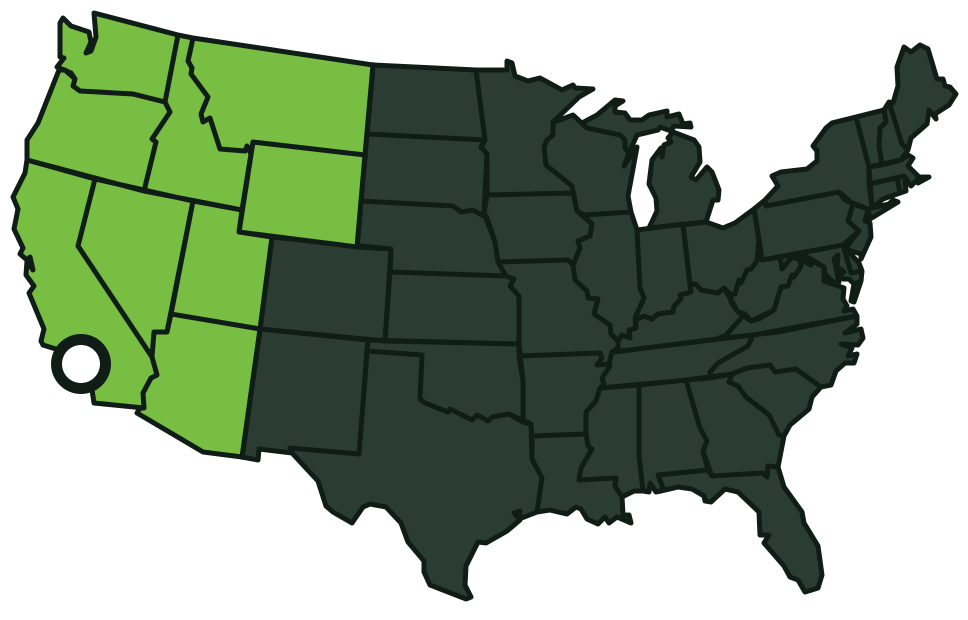 Los Angeles, CA
The Hidden Costs: How Neglected Roof Cleaning Leads to Structural Failure and Leaks
Neglected factory roof debris removal leads to ponding, leaks, and structural failure. See how industrial roof leak prevention starts with cleaning.
Roof cleaning gets pushed to the bottom of the maintenance list more often than almost any other facility task. It’s not glamorous, it doesn’t show up on a production report, and a roof that “looks fine” from the ground rarely triggers urgency. But that delay is exactly where the real cost builds. By the time a leak shows up on the plant floor, the roof has usually been failing quietly for months, sometimes years, and what would have been a cleaning invoice has turned into a structural repair bill.
Factory Roof Debris Removal: The First Domino to Fall
Every industrial roof accumulates debris: leaves, dust, packaging fines, biological growth, loose insulation, and sediment from HVAC and process exhaust. On its own, this seems cosmetic. In practice, it’s the first link in a chain that ends in structural damage. Debris settles into drains and scuppers, restricting flow. Restricted flow means water sits longer than the membrane was ever designed to tolerate. And standing water, more than almost any other factor, is what shortens the life of an industrial roof system.
Regular factory roof debris removal isn’t just about appearance. It’s what keeps water moving off the roof the way the original design intended, and it’s the cheapest insurance against the much larger failures that follow. A facility that treats debris removal as routine housekeeping rather than structural protection is, in effect, gambling on its drainage system holding up under conditions it was never built for.
The Impact of Roof Ponding on Structure
Ponding water doesn’t just sit there harmlessly until someone gets around to it. The weight of standing water adds real load to a roof deck that’s already carrying insulation, mechanical equipment, and the membrane itself. Over time, that added weight can cause deflection in the deck, and deflection creates a depression - which collects more water, which adds more weight. It’s a feedback loop that gets worse, not better, the longer it’s ignored.
Beyond the structural load, ponding accelerates membrane breakdown through prolonged UV exposure at the water’s surface and through freeze-thaw cycling in colder climates, where trapped water expands and contracts against seams and flashing details. The impact of roof ponding on structure is rarely limited to the roof itself; saturated insulation loses R-value, deck fasteners corrode from sustained moisture contact, and in severe cases, sustained ponding has contributed to partial deck collapse in older industrial buildings. None of this happens overnight - which is exactly why it goes unnoticed until it’s expensive.
Building a Preventative Roof Maintenance Schedule
Most industrial roof failures aren’t surprises. They’re the predictable result of skipping inspections that would have caught the problem early. A solid preventative roof maintenance schedule typically includes seasonal debris removal and drain clearing, a post-storm inspection after any significant weather event, and a full condition assessment at least once a year that checks membrane integrity, flashing details, and drainage performance together rather than in isolation.
Facilities running continuous production often skip this because scheduling a roof inspection feels like one more thing competing for limited maintenance hours. But a maintenance schedule built around the roof’s actual risk points - drains, low spots, seams, and penetrations - takes a fraction of the time a leak response does, and costs a fraction of what structural repair runs. We go into more depth on how cleaning, drainage verification, and structural inspection fit together in our piece on industrial roof cleaning, structural integrity, and drainage compliance.
Industrial Roof Leak Prevention Starts Before the Leak
The throughline across debris, ponding, and inspection scheduling is the same: industrial roof leak prevention is a maintenance discipline, not a repair response. Once water is visibly coming through the ceiling, the conversation has already shifted from prevention to damage control - lost product, halted lines, and a repair scope that’s grown well beyond what a cleaning crew could have addressed months earlier.
For roofs that have already taken on wear from ponding or deferred maintenance, restoring the surface with a properly specified coating system can extend service life significantly once the underlying drainage issues are resolved. Our breakdown of high-performance factory roof coatings and our guide on industrial plant roof coatings for weatherproofing and restoration cover how that process works once cleaning and structural issues are addressed. For a full view of the assessment-to-coating process, our industrial roof coatings guide walks through each stage.
Kelly Industrial Services performs roof cleaning, debris removal, and drainage verification as part of a single facility assessment, using our own trained crews rather than subcontractors, nationwide. If it’s been more than a year since your roof was inspected and cleaned, that’s reason enough to schedule one. Contact us to get a facility assessment on the calendar before the next storm finds the problem for you.
Industrial roof coatings
Reduction in Energy Costs: How Quality Roof Coating Can Help
Learn how Kelly Industrial Services helps you save money and extend your roof's lifespan with industrial roof coatings.
Read moreRevolutionize Your Roof: The Benefits of High-Performance Roof Coatings
Discover how high-performance roof coatings extend longevity, reduce maintenance costs, and improve insulation.
Read moreMaintaining Compliance: Roof Cleaning Requirements for Insurance and Safety Audits
Roof cleaning compliance requirements affect insurance audits and OSHA inspections. See what auditors check and how to prepare your facility.
Read moreTell us about the facility.
We'll tell you straight.
A specialist reviews every request, not a call center. If it is not Kelly work, we will say so and point you in the right direction.