
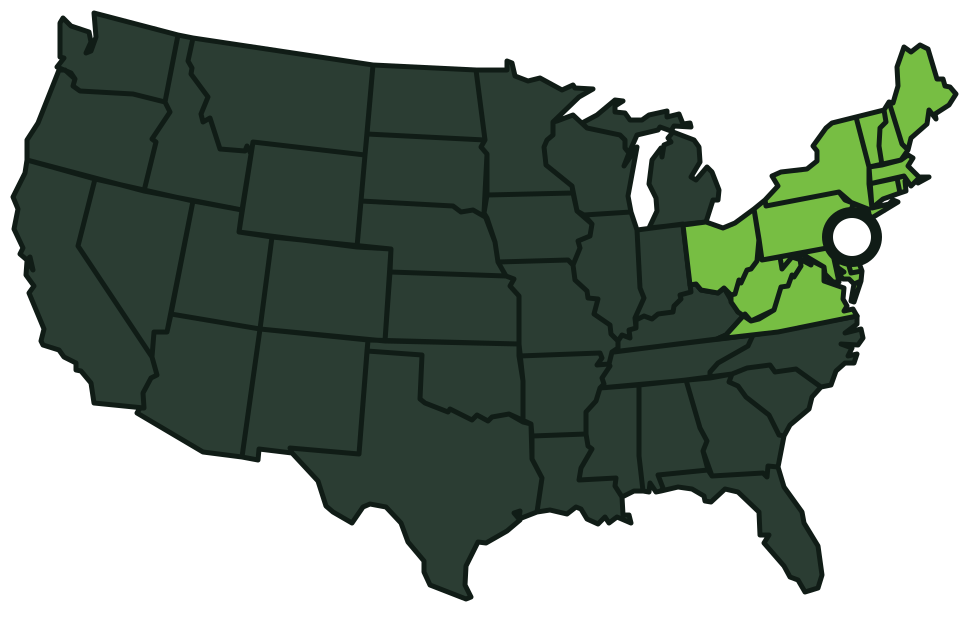
 Philadelphia, PA
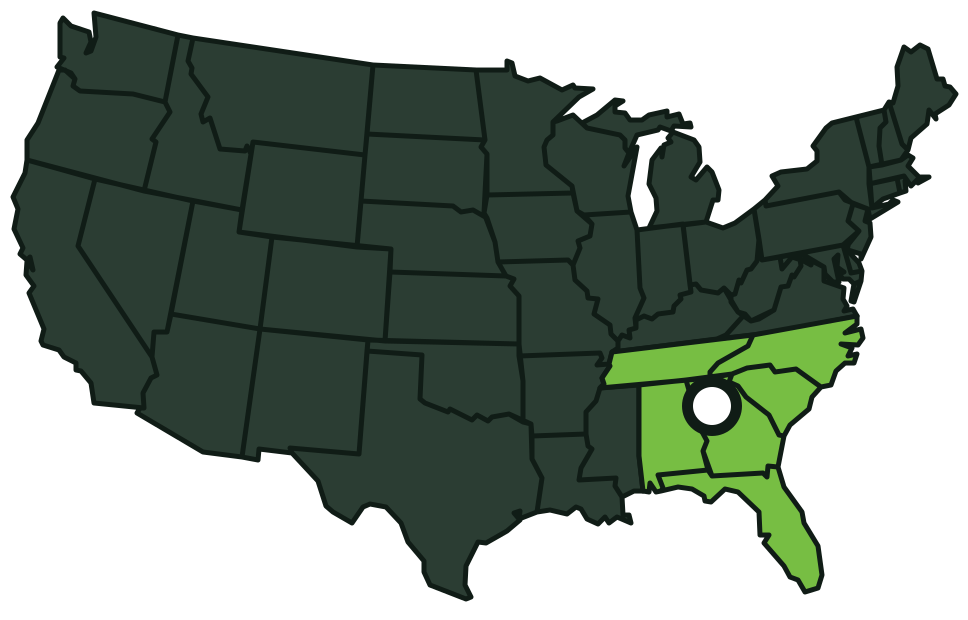 Atlanta, GA
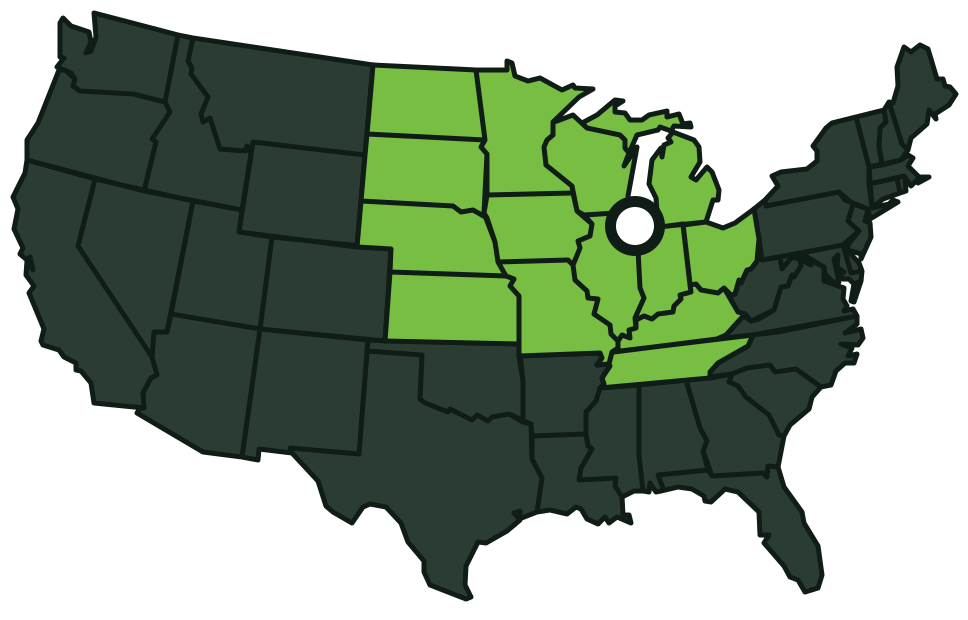 Chicago, IL
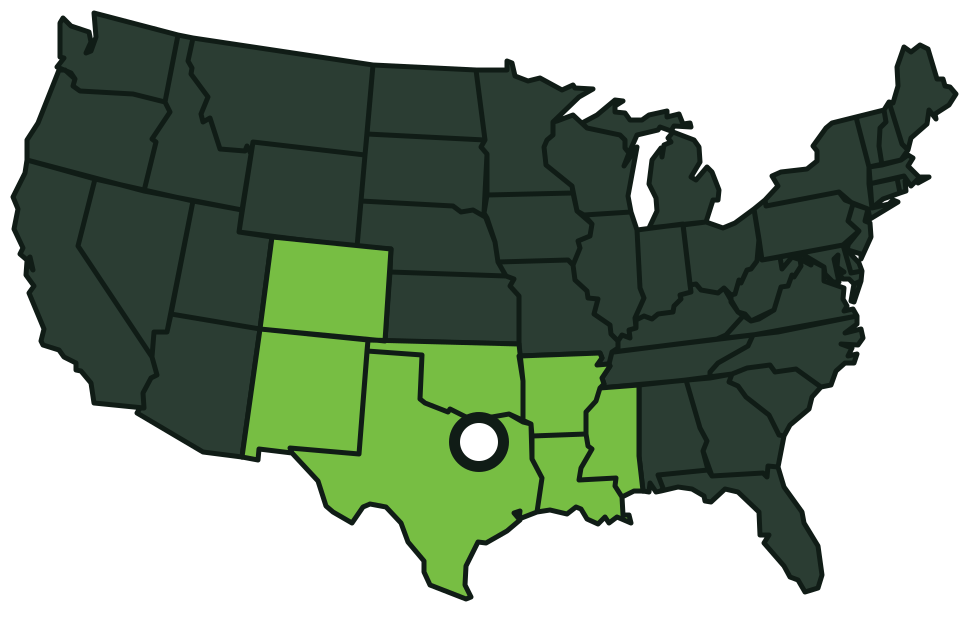 Dallas, TX
 Jackson, TN
 Los Angeles, CA
Industrial Roof Coatings: The Complete Guide to Protecting Your Facility and Extending Roof Life
Industrial roof coatings can add 10-20 years of life to your facility's roof. Learn how coating systems work and which type fits your facility.
If you manage a manufacturing plant, warehouse, paper mill, or processing facility, your roof is doing more work than almost any other part of your building. It absorbs UV radiation, sheds rain and snow, withstands rooftop equipment vibration, and in many facilities, it’s exposed to steam, chemical fumes, or extreme temperature swings every single day. Eventually, that wear catches up - and when it does, facility managers are typically faced with two options: a full roof replacement, or an industrial roof coating.
For most industrial facilities, industrial roof coatings are the smarter choice. A properly specified and applied coating system can add 10 to 20 years of protection to an existing roof, all while costing a fraction of a tear-off-and-replace project and avoiding the operational disruption that comes with it.
This guide breaks down everything a facility manager, plant engineer, or operations director needs to know about industrial roof coatings - what they are, when they make sense, which coating systems exist, and what separates a coating that lasts two decades from one that fails in two years.
What Are Industrial Roof Coatings?
An industrial roof coating is a fluid-applied, monolithic membrane that’s installed directly over an existing roof surface. Unlike a roof replacement, which strips the roof down to the deck and rebuilds it from scratch, a coating system restores and reinforces the substrate that’s already there. The coating cures into a seamless, flexible layer that seals seams, fastener penetrations, flashing details, and any other weak points where water or air could otherwise find a way in.
These systems are engineered specifically for the demands of industrial environments - not the residential shingle roofs most people picture. Industrial coatings are formulated to handle:
- Constant UV exposure on large, flat or low-slope roof surfaces
- Standing or ponding water common on low-slope industrial roofs
- Thermal cycling from rooftop HVAC, exhaust stacks, and process equipment
- Chemical fumes, oils, and airborne particulates from manufacturing processes
- Foot traffic from maintenance crews accessing rooftop units
Because every facility’s roof faces a different combination of these stresses, there’s no single “best” coating. The right system depends on the existing roof substrate (metal, single-ply membrane, EPDM, modified bitumen, or built-up roofing), the roof’s slope and drainage, and the specific environmental and chemical exposures at your site.
Why Coat Instead of Replace?
A full roof replacement is sometimes unavoidable - if the roof deck itself has failed structurally, no coating can fix that. But for the vast majority of aging industrial roofs, replacement is an expensive overreaction to a problem that coatings solve more efficiently.
Cost. Roof replacement involves tear-off labor, disposal, new substrate materials, and full membrane installation. A coating system uses the existing roof as its base, which dramatically reduces material and labor costs per square foot.
Downtime. Tear-off roofing exposes the building interior to the elements throughout the project, which can mean shutting down production lines, protecting sensitive equipment, or relocating inventory. Roof coatings are applied directly over the existing surface, so most projects proceed with little to no interruption to plant operations.
Landfill impact. Tear-offs send the old roofing material straight to a landfill. Coating systems extend the service life of materials already in place, which is a meaningful sustainability consideration for facilities tracking environmental impact.
Speed. Coating projects typically move faster than full replacements, which matters when a facility is racing against a known leak, an upcoming audit, or seasonal weather windows.
None of this means coatings are a band-aid. Done correctly - with proper surface preparation and the right system for the substrate - an industrial roof coating is a long-term capital improvement, not a stopgap.
Signs Your Facility’s Roof Needs a Coating
Plant engineers and maintenance teams don’t always have time to climb onto the roof for a thorough inspection. Here are the warning signs that typically indicate it’s time to evaluate a coating system before a small problem becomes a production-halting emergency:
- Visible ponding water that doesn’t drain within 48 hours after rainfall
- Rust streaking or corrosion on metal roof panels or exposed fasteners
- Chalking, cracking, or fading on an existing coated or single-ply surface
- Active leaks around skylights, HVAC penetrations, or roof seams
- Rising energy bills tied to heat gain through an aging, dark roof surface
- Loose or exposed fasteners on metal roofing systems
- A roof nearing the end of its manufacturer-rated lifespan, even without visible damage
If any of these apply to your facility, it’s worth getting a professional roof evaluation rather than waiting for a leak to become a production issue. Kelly’s industrial roof coatings team conducts full assessments that look at substrate condition, drainage, moisture intrusion, and existing coating performance before recommending a system.
The Core Benefits of Industrial Roof Coatings
Extended Roof Life
This is the headline benefit, and for good reason. A correctly applied industrial roof coating can extend the useful life of an existing roof by 10 to 20 years, depending on the coating system selected and the condition of the substrate underneath. For a facility weighing a $500,000+ replacement against a coating project at a fraction of that cost, the math is straightforward.
Leak Prevention and Water Intrusion Control
Roof coatings cure into a seamless membrane, which means there are no exposed seams for water to exploit the way there can be with traditional roofing materials. Properly applied coatings seal around fasteners, flashing, curbs, and penetrations - the areas where industrial roofs are most likely to fail first.
Energy Efficiency and Lower HVAC Load
Reflective coating systems, particularly acrylic and silicone formulations, reduce how much solar heat a roof absorbs and transfers into the building below. For large-footprint warehouses and manufacturing plants where rooftop heat gain drives up cooling costs, a reflective coating can meaningfully reduce HVAC demand and stabilize energy spend year over year.
Corrosion Protection for Metal Roofs
Metal roofing is common across manufacturing, warehousing, and processing facilities, and it’s particularly vulnerable to corrosion from moisture, chemical exposure, and coastal or humid climates. Rust-inhibitive primers and topcoats designed for metal substrates stop corrosion before it spreads and compromises structural panels.
Minimized Operational Disruption
Because coating application doesn’t require tearing into the existing roof system, most projects can be scheduled around production shifts, planned shutdowns, or weather windows without forcing a facility to halt operations.
Improved Safety and Compliance
Some coating systems incorporate slip-resistant additives for rooftop walkway areas, and a sealed, well-maintained roof reduces the risk of water intrusion that can create slip hazards or damage equipment and inventory below.
Industries Where Roof Coatings Matter Most
Different industries put very different stresses on a roof system, which is why coating selection should always be informed by how a facility actually operates. Kelly Industrial Services works across the industries where roof performance is directly tied to operational continuity:
Manufacturing plants generate heat, dust, and ventilation exhaust that age a roof faster than a typical commercial building, making reflective and abrasion-resistant coatings especially valuable.
Food and beverage processing facilities face washdown chemicals, oils, and steam exposure that can degrade unprotected roofing materials - see how Kelly approaches these environments on our food and beverage facility services page.
Warehouses and distribution centers typically have enormous, flat roof surfaces where even small per-square-foot savings on a coating system add up significantly, and where reflective coatings can meaningfully cut cooling costs across a large footprint.
Power generation and utility facilities deal with high thermal cycling and corrosive atmospheric conditions that demand coating systems engineered for extreme durability.
Paper mills and corrugated plants operate in moisture-heavy, sometimes acidic atmospheric conditions that require coatings resistant to both water intrusion and chemical exposure - learn more on our paper mill and tissue facility page.
Chemical and waste management facilities require coating systems built to resist fumes, abrasion, and corrosive vapors that would quickly break down a standard commercial coating.
If your facility has a metal, single-ply, EPDM, modified bitumen, or low-slope roof, there’s very likely a coating system engineered for your exact operating conditions.
Types of Industrial Roof Coating Systems
Choosing the wrong coating for a given substrate or environment is one of the most common - and costly - mistakes in industrial roofing. Here’s a breakdown of the major coating categories and where each one performs best.
Elastomeric Coatings
Elastomeric coatings are prized for their flexibility, which allows them to expand and contract with the roof substrate through seasonal temperature swings without cracking. This makes them a strong choice for facilities in climates with significant temperature variation throughout the year. Their UV resistance also helps prevent the premature degradation that plagues unprotected roofing membranes.
Acrylic Roof Coatings
Acrylic systems are among the most widely used reflective coatings in industrial applications, largely because they deliver strong energy-efficiency performance at a competitive cost. Acrylic coatings reflect solar heat away from the building, which can meaningfully reduce rooftop surface temperatures and ease the load on HVAC systems - a particularly valuable benefit for large warehouse and manufacturing roofs.
Silicone Coatings
When ponding water is a recurring issue - common on low-slope industrial roofs with imperfect drainage - silicone coatings are typically the go-to solution. Silicone’s exceptional waterproofing properties and resistance to UV degradation make it one of the most durable options for roofs that regularly sit under standing water.
Polyurethane Coatings
Polyurethane coatings bring superior abrasion resistance to the table, which makes them ideal for roof areas that see regular foot traffic from maintenance crews accessing rooftop mechanical equipment, or for facilities where rooftop activity is more frequent than average.
Rust-Inhibitive Primers
For metal roofs showing early signs of corrosion, a rust-inhibitive primer is applied before any topcoat to stop oxidation at the source and create a stable foundation for the coating system above it. Skipping this step on an aging metal roof is one of the fastest ways for a coating project to fail prematurely.
A qualified contractor won’t default to a single “house” coating system. Instead, they’ll evaluate your roof’s substrate, slope, drainage, and environmental exposures, and recommend the system engineered for those specific conditions.
What a Professional Roof Coating Project Actually Involves
A roof coating is only as good as the preparation underneath it. Coatings applied over dirty, rusted, or poorly prepped surfaces fail early - often within a few years - which gives the entire category an undeserved reputation in some circles. The projects that deliver a genuine 10-to-20-year lifespan follow a disciplined process:
1. Roof evaluation. A thorough assessment of substrate type, age, slope, drainage patterns, moisture presence, and chemical exposure determines which coating system is appropriate - and whether coating is even the right call versus replacement.
2. Surface preparation. This is the step that determines whether a coating succeeds or fails. Preparation typically includes pressure washing to remove dirt, oils, and biological growth (a process closely related to the facility cleaning work Kelly performs across industrial sites), rust removal on metal substrates, repair of damaged seams or flashing, and encapsulation of exposed fasteners.
3. Priming. On metal roofs or substrates prone to corrosion, a rust-inhibitive primer is applied to create a stable, adhesive base for the topcoat.
4. Coating application. The selected coating system - elastomeric, acrylic, silicone, or polyurethane - is applied at the manufacturer-specified thickness, often in multiple coats, to achieve full waterproofing and UV protection.
5. Quality control and final inspection. A completed project should be inspected for full coverage, proper seam treatment, and consistent thickness before being signed off.
Every one of these steps matters, but the surface preparation phase is where most underperforming coating jobs go wrong. Contractors that rush prep to cut costs are setting up a coating system to fail well before its rated lifespan.
What to Look for in an Industrial Roof Coating Contractor
Not every roofing contractor is equipped to handle industrial-scale coating projects. Before hiring a contractor for a facility roof, it’s worth asking:
- Do they perform comprehensive surface preparation, including rust removal and fastener encapsulation, or do they coat over existing conditions?
- Are their technicians full-time employees, or subcontracted labor with inconsistent training and accountability?
- Do they hold relevant safety certifications for fall protection, elevated work, and OSHA compliance?
- Can they schedule work around your production timeline, shutdown windows, or weather constraints without putting operations on hold?
- Do they have experience with your specific industry’s environmental exposures - chemical fumes, washdown chemicals, combustible dust, or extreme thermal cycling?
This is where the contractor matters as much as the coating itself. Kelly Industrial Services has spent forty years serving the nation’s most demanding manufacturing, corrugated, and paper processing plants, and every technician on a Kelly job site is a full-time, trained employee - never a subcontractor. That distinction matters on a roof coating project, where consistency in surface preparation and application technique is the difference between a coating that lasts two decades and one that fails in two years.
Kelly’s roof coating projects are built around the same operations-first approach that defines all of our facility painting and maintenance work: minimal disruption to production, strict safety protocols, and nationwide mobilization so multi-facility operators get consistent quality at every site, not just the ones closest to headquarters.
What Affects the Cost of an Industrial Roof Coating Project
Facility managers building a maintenance budget often want a ballpark figure before they request a quote, but industrial roof coating costs vary widely based on several factors specific to each building:
Roof size and accessibility. Larger roofs benefit from economies of scale on a per-square-foot basis, but roofs with limited access points, multiple levels, or extensive rooftop equipment require more labor to navigate around obstacles.
Current roof condition. A roof with significant rust, deteriorated seams, or extensive ponding water damage requires more extensive surface preparation and repair before a coating can be applied, which adds to the project scope.
Coating system selected. Silicone systems, prized for ponding water resistance, typically carry a higher material cost than standard acrylic coatings, while polyurethane’s abrasion resistance comes at its own price point. The right system for your roof isn’t always the cheapest one - and choosing based on price alone often leads to early failure and a second project a few years later.
Substrate type. Metal roofs requiring rust-inhibitive priming involve an additional preparation step compared to single-ply or modified bitumen substrates already in stable condition.
Geographic location and access logistics. Mobilizing equipment and crews to remote or hard-to-reach facilities can affect overall project pricing, particularly for multi-site programs spanning several states.
Because of this variability, any contractor quoting a roof coating project sight-unseen - without a proper roof evaluation - should be treated with caution. A credible estimate follows an on-site or documented assessment of the roof’s actual condition. Facility managers planning a broader capital improvement strategy can also review Kelly’s whitepapers and resources for deeper guidance on budgeting industrial maintenance projects.
Maintaining Your Roof Coating After Installation
A coating system is a long-term investment, and like any protective system, it performs best with periodic inspection rather than being forgotten about until the next leak appears. Facility teams should plan for:
Annual visual inspections, ideally after the seasonal extremes of summer heat and winter freeze-thaw cycles, to catch any developing issues - new ponding areas, fastener movement, or coating wear around high-traffic zones - before they become active leaks.
Prompt attention to rooftop equipment changes. Any time new HVAC units, exhaust fans, or conduit runs are added to a roof, the penetrations created around that equipment need to be properly sealed and integrated into the existing coating system. Unsealed penetrations are one of the most common sources of new leaks on an otherwise sound coated roof.
Debris and drainage management, particularly clearing leaves, dust, or production byproducts from drains and gutters so water doesn’t pool in areas the coating system wasn’t designed to handle long-term.
Touch-up coating in high-wear areas, such as walkway pads near rooftop access points, where foot traffic from maintenance visits gradually wears down even abrasion-resistant systems faster than the rest of the roof.
Facilities that build these checks into their existing maintenance calendar - alongside other recurring services like facility cleaning and equipment upkeep - get the most value out of their coating investment and are far less likely to face a surprise capital expense down the road.
Frequently Asked Questions
How long do industrial roof coatings last? Quality industrial roof coatings typically last 10 to 20 years, depending on the substrate, environmental exposure, and coating system selected.
Can a coating be applied to an aging or rusting metal roof? Yes. With proper surface preparation - including rust treatment and securement of loose fasteners - coatings can significantly extend the service life of an aging metal roof.
Do roof coatings actually reduce energy costs? Reflective systems, especially acrylic and silicone coatings, lower roof surface temperatures and reduce HVAC demand, which helps stabilize energy costs over time.
Will my facility need to shut down during the coating project? Usually not. Most roof coating projects are scheduled around production timelines and completed with minimal disruption to daily operations.
How do I know which coating system is right for my facility? A full roof evaluation - assessing substrate, slope, age, moisture exposure, and chemical exposure - is the only reliable way to determine the safest, longest-lasting system for your specific facility.
Protect Your Facility’s Roof Before It Becomes an Emergency
A failing industrial roof rarely announces itself with a single dramatic event - it’s usually a slow accumulation of small leaks, rust spots, and rising energy bills until a major storm turns a maintenance issue into a production shutdown. Industrial roof coatings give facility managers a way to get ahead of that timeline, restoring and reinforcing a roof’s protective envelope at a fraction of the cost and downtime of full replacement.
If your facility’s roof is showing signs of age - ponding water, rust, rising cooling costs, or a roof approaching the end of its rated lifespan - it’s worth getting a professional evaluation before those small issues become expensive ones.
Kelly Industrial Services provides nationwide industrial roof coating services backed by in-house, full-time technicians, zero subcontractors, and more than four decades of experience protecting the facilities that manufacturing, paper processing, and packaging companies depend on every day. Contact us today to schedule a roof evaluation and find out which coating system is right for your facility.
Industrial roof coatings
Industrial Roof Coating & Maintenance: Protecting Facilities, Reducing Costs, and Extending Roof Life
Professional industrial roof coatings and maintenance stop leaks and extend roof life. Learn why coating is THE cost-effective alternative.
Read moreThe Hidden Costs: How Neglected Roof Cleaning Leads to Structural Failure and Leaks
Neglected factory roof debris removal leads to ponding, leaks, and structural failure. See how industrial roof leak prevention starts with cleaning.
Read moreReduction in Energy Costs: How Quality Roof Coating Can Help
Learn how Kelly Industrial Services helps you save money and extend your roof's lifespan with industrial roof coatings.
Read moreTell us about the facility.
We'll tell you straight.
A specialist reviews every request, not a call center. If it is not Kelly work, we will say so and point you in the right direction.