
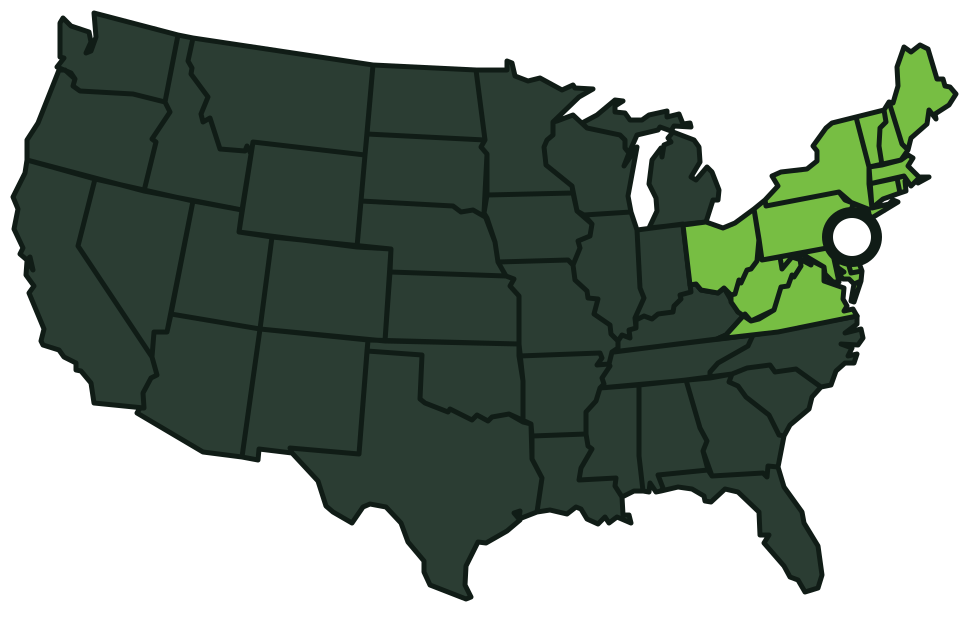
 Philadelphia, PA
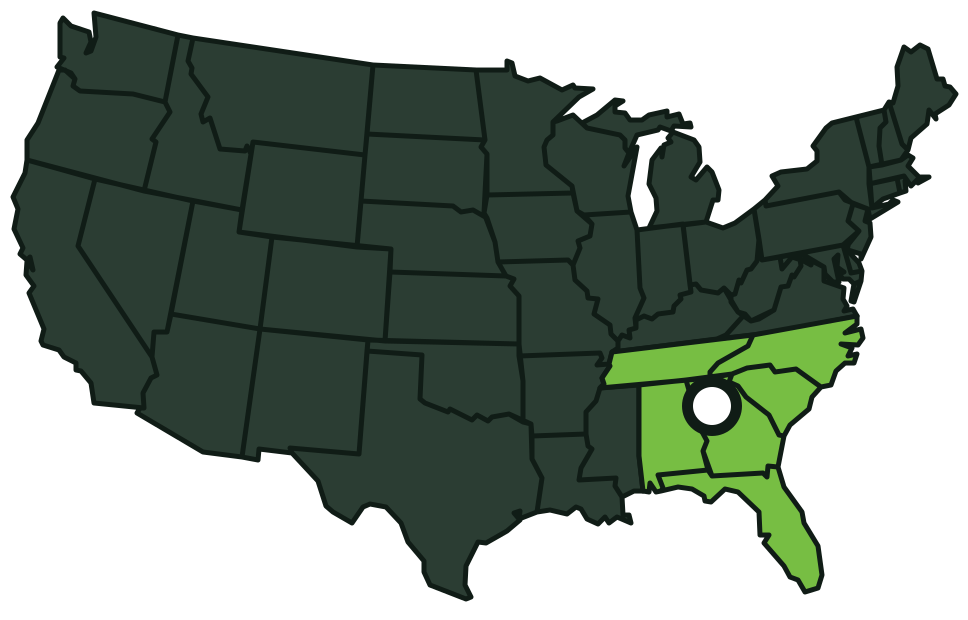 Atlanta, GA
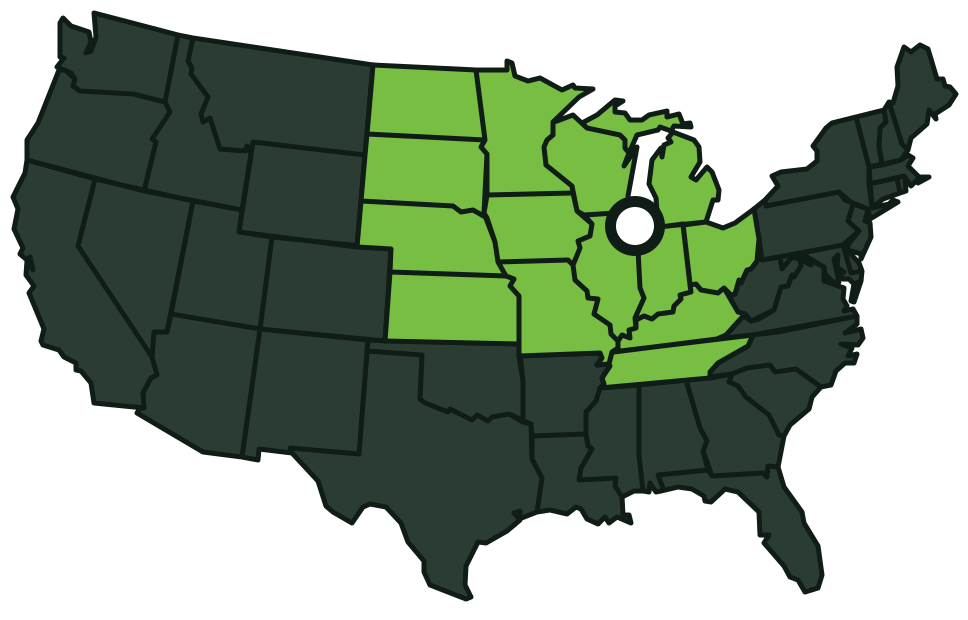 Chicago, IL
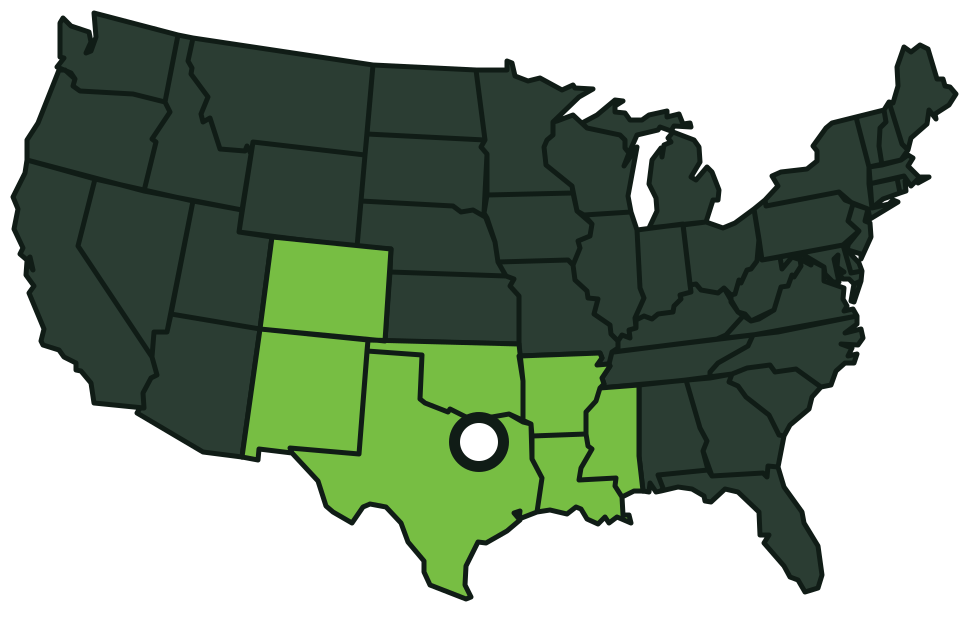 Dallas, TX
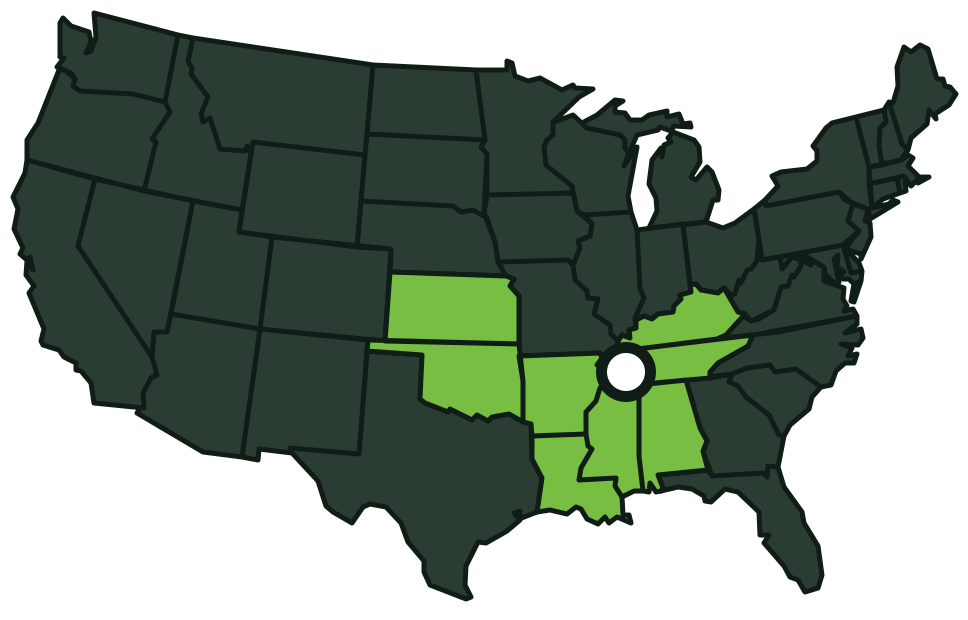 Jackson, TN
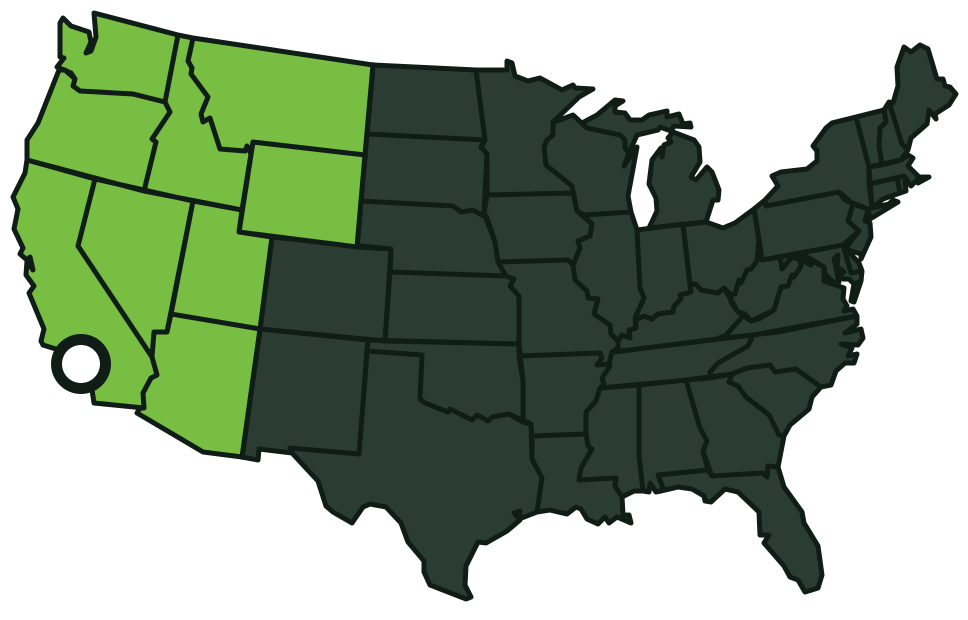 Los Angeles, CA
Oil and Grease Removal
The film that builds until the floor is a hazard and the equipment is a fire load. Removed with the chemistry that matches the residue, and the waste handled the way the EPA expects.
How oil accumulation announces itself
- Someone has slipped. The floor around a machine has a film nobody can mop off, and it is now a recordable waiting to happen.
- An insurance or fire inspection has flagged oil-soaked accumulation near heat sources, on equipment or in saturated insulation.
- Hydraulic and lubricant migration has coated machine bases, guards and the structural steel around them.
- A conveyor pit or trench is holding oil and sludge that nobody has removed in years.
- The plant has tried degreaser from a drum and it moved the oil around without removing it.
What it involves
inside a live plant.
What builds up, and why it is a problem
Oil and grease accumulation in a plant comes from a handful of sources that never stop: hydraulic systems, gearbox and bearing lubrication, chain oilers, coolant carryover, and in food plants the product itself. It migrates from the equipment onto guards and bases, off the bases onto the floor, and from the floor onto every route people walk.
It creates three distinct problems, and a plant usually calls about one of them without realizing the other two are the same job.
Slips. An oil film on concrete is the leading cause of same-level fall injuries in industrial facilities. It does not look dramatic and it does not mop off, which is why plants live with it until someone goes down.
Fire. Accumulated oil is fuel. Oil-soaked insulation, residue near heat sources, saturated absorbent and rags, and grease on equipment adjacent to hot work all appear on fire inspection reports with regularity.
Equipment and inspection. Oil-coated machinery hides wear, leaks and cracks. Maintenance cannot inspect what it cannot see, and a leak that would have been caught early becomes a failure.
What the work involves
Survey and identification. The first question is what the residue actually is. Petroleum-based oils, synthetic lubricants, vegetable and animal fats, and cutting or coolant emulsions each respond to different chemistry. The second question is what is underneath it: sealed concrete, bare concrete, coated steel, stainless, painted surfaces or precision tooling. Those two answers set the method.
Containment. Drains blocked or diverted, berms set, and a collection point established before any chemical or water is applied. In a plant with a discharge permit, the plan is written to what the permit allows.
Protection and isolation. Electrical, controls and moisture-sensitive equipment are isolated or protected. Lockout is applied to the plant’s procedure where equipment is being cleaned.
Application and dwell. Degreasing agent applied at the right concentration and given the dwell time the product needs. This is where most in-house attempts fail: the chemical is applied and rinsed before it has done anything, so the oil is spread rather than lifted.
Agitation. Hardened and layered deposits need mechanical help. Brushes, scrubbers and, on floors, powered equipment break the deposit so the chemistry can reach through it.
Rinse and recovery. Pressure washing, usually heated, rinses the released material to the containment, where it is collected.
Sensitive surfaces. Electrical components, precision tooling and anything that cannot take water or chemistry are cleaned with dry ice blasting instead, in the same visit.
Disposal and documentation. Collected oil, water and debris are characterized and disposed of to EPA and local requirements. Safety data sheets, the disposal record and before-and-after photographs come back with the job.
Drying and handback. Floors are recovered, dried and inspected before release. Handing back a wet or still-slick floor defeats the purpose of the visit.
Where the work happens
- Production floors, aisles and the areas around machines
- Machinery housings, guards, bases and frames
- Conveyor systems, chains, drives and take-ups
- Pits, trenches and containment areas holding oil and sludge
- Structural steel and support members below leaking equipment
- Loading docks, ramps and forklift traffic routes
- Compressor, boiler and mechanical rooms
Sector notes
Food and beverage. Degreasing agents and process must meet FDA and USDA sanitation expectations and the plant’s own approved chemical list. Vegetable oil and animal fat residues behave differently from petroleum and need different chemistry.
Plastics and coatings. Precision tooling and molds cannot take aggressive chemistry or abrasion. These are dry ice work, not degreasing work, and the survey will say so.
Automotive and metal fabrication. Cutting fluid, coolant and way oil on floors, machines and chip handling, usually the heaviest accumulations Kelly encounters.
Paper and corrugated. Lubricant migration combined with paper dust produces a compacted residue that needs both agitation and heat to release.
Cleaning is not repair
A degreasing job removes what has accumulated. It does not stop a leaking seal, a failed gearbox gasket or an over-applied chain oiler. Where the source is obvious, Kelly will point it out, because the alternative is a plant paying for the same clean every quarter and believing that is normal. Once the source is addressed, the interval usually stretches a long way.
Performed to the standards
your plant is held to.
Walking and working surfaces must be kept clean, orderly and free of hazards. Oil and grease accumulation on floors is one of the most commonly cited housekeeping conditions, and it is the one most likely to produce an injury before it produces a citation.
Accumulated oil is fuel. Oil-soaked rags, build-up near heat sources and saturated insulation are recognized fire risks and are routinely written up by fire inspectors and insurance carriers.
Oil and grease waste, and any water used to remove it, are contained and disposed of in accordance with EPA requirements. Documentation is provided for your records. Nothing goes to a storm drain.
In food and beverage facilities the degreasing agents and the process itself have to meet the plant's sanitation standards, including approved chemical lists and the sequence the plant's scheme requires.
What you get that
a general contractor cannot give you.
Chemistry matched to the residue
Petroleum oil, synthetic lubricant, vegetable oil and animal fat all respond to different chemistry. Using one degreaser on all of them is why plants conclude that degreasing does not work. Kelly identifies what the residue is before choosing what removes it.
Four methods, used together
Chemical application with proper dwell time, mechanical agitation for hardened deposits, pressure washing to rinse, and dry ice blasting for electrical and sensitive equipment that cannot take water. Most jobs need three of the four.
The waste is the hard part
Removing oil is straightforward. Containing it, collecting it, characterizing it and disposing of it correctly is where a plant gets into trouble if the contractor treats it casually. Kelly plans the containment before the first application and hands over the disposal record at the end.
Full-time Kelly crews
No subcontractors handling chemicals inside your plant. Every technician is a Kelly employee trained on the products, the protection and the plant's own rules.
Oil and Grease Removal from
six service centers.
Every Kelly service is staffed from all six centers, so the crew that comes to your plant is the one based nearest to it. Coverage is all 48 contiguous states.
See the full territory map and the states each center covers on the service areas pages.
Asked before the quote.
What chemicals do you use?
Will it damage the floor or the equipment?
Can this be done while the plant runs?
What happens to the waste?
How long will it stay clean?
Tell us about the facility.
We'll tell you straight.
A specialist reviews every request, not a call center. If it is not Kelly work, we will say so and point you in the right direction.