
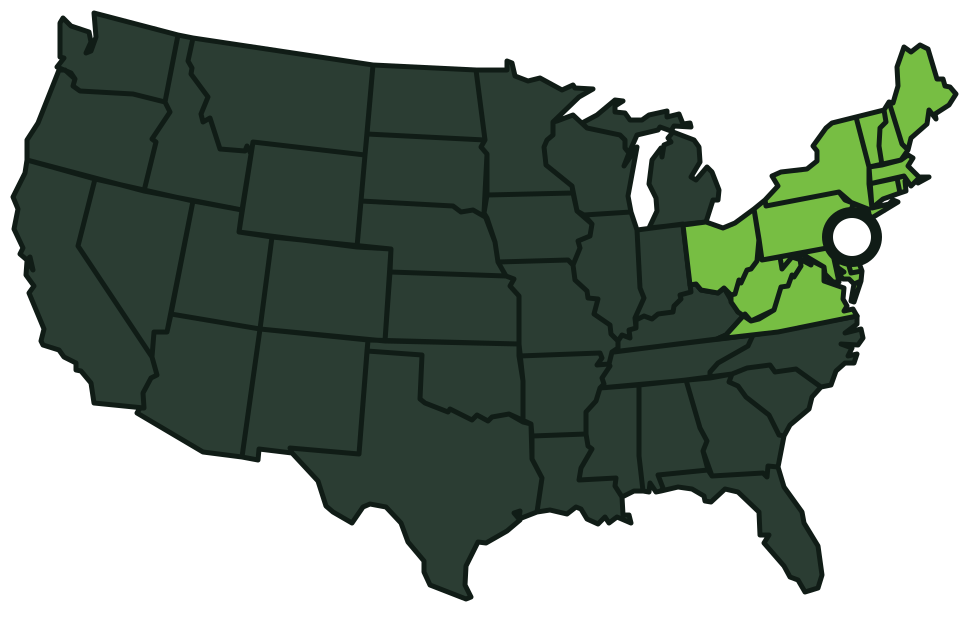
 Philadelphia, PA
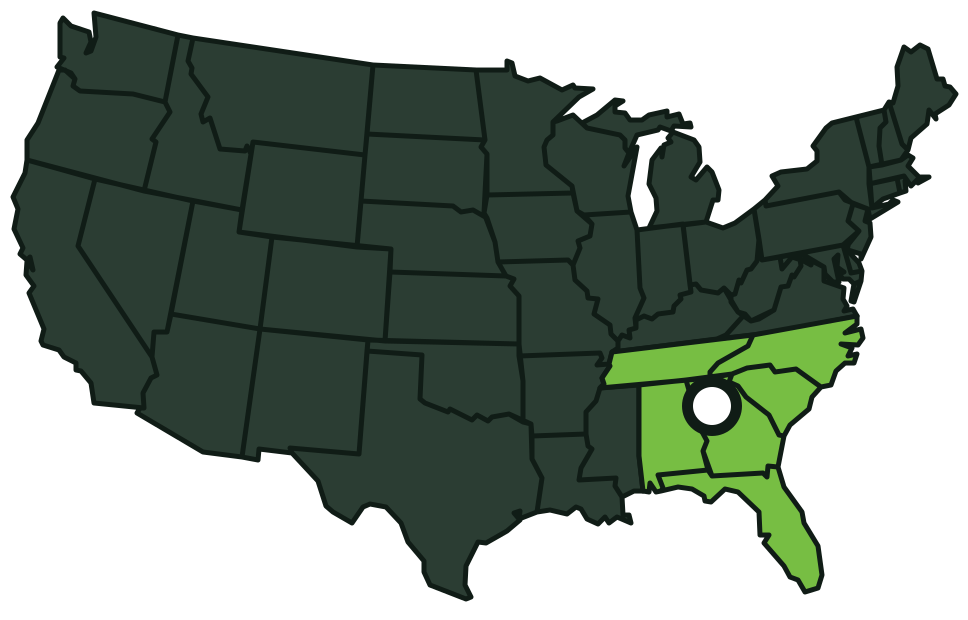 Atlanta, GA
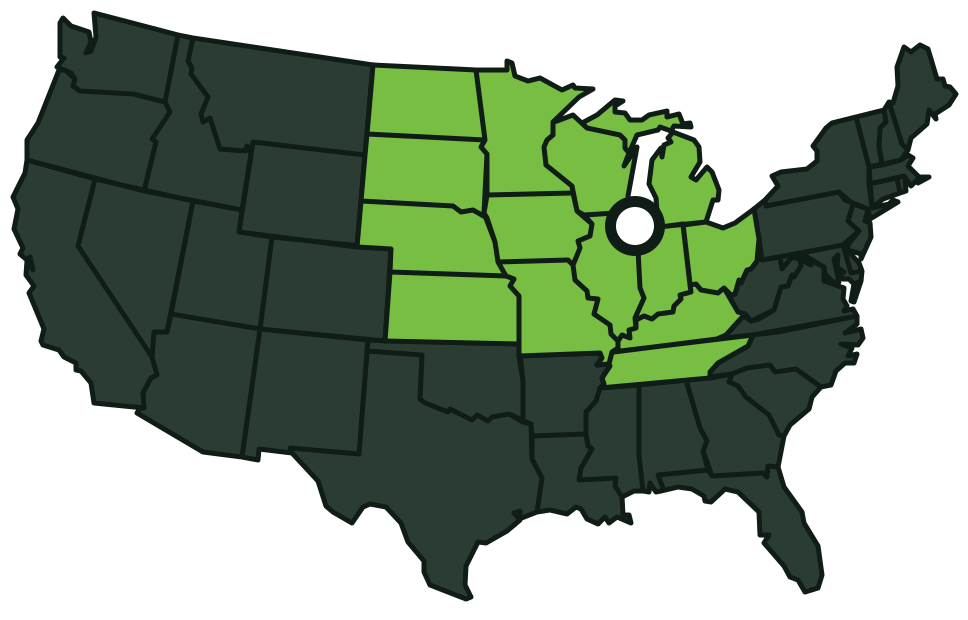 Chicago, IL
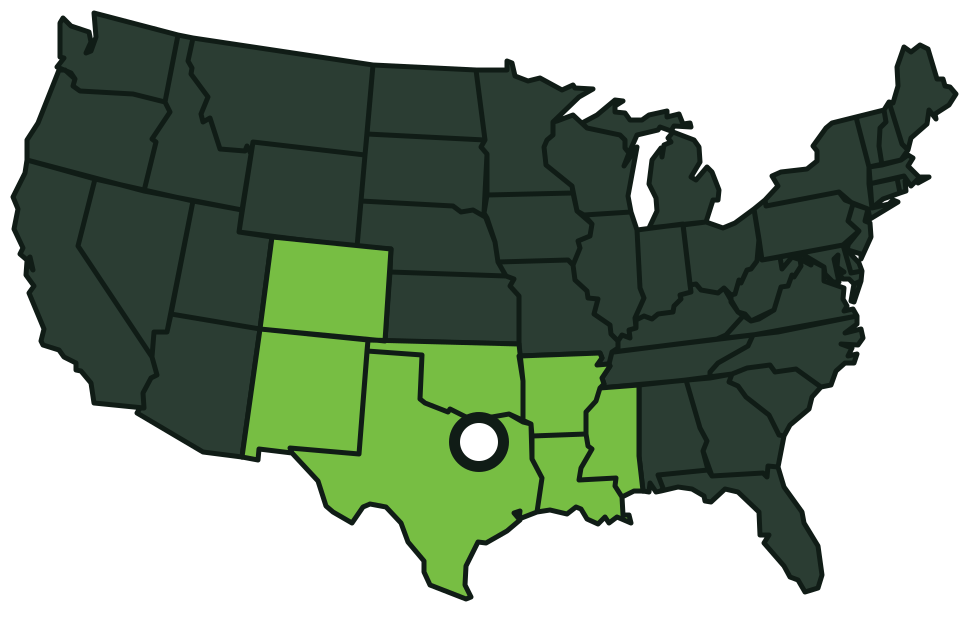 Dallas, TX
 Jackson, TN
 Los Angeles, CA
High-Performance Factory Roof Coatings: Extending Lifespan, Enhancing Weatherproofing, and Maximizing Energy Efficiency
High-performance factory roof coatings extend roof lifespan, seal out severe weather, and cut energy costs.
A factory roof works harder than almost any other roof in the commercial world. It sits above exhaust stacks venting heat and particulates, absorbs vibration from heavy machinery below, and often spans hundreds of thousands of square feet with minimal slope to shed water. Standard commercial coatings - formulated for office buildings and retail spaces - simply aren’t built for that environment. Factories need high-performance roof coatings engineered specifically for the thermal, chemical, and structural stresses of active manufacturing.
Why Factory Roofs Age Faster Than Other Commercial Roofs
Manufacturing facilities create conditions that accelerate roof deterioration well beyond normal weathering. Rooftop exhaust vents and HVAC equipment generate constant thermal cycling, expanding and contracting roofing materials in localized hot spots day after day. Production processes - particularly in plastics, metal fabrication, food processing, and chemical manufacturing - can vent oils, particulates, or corrosive fumes that settle on the roof surface and degrade unprotected membranes faster than UV exposure alone would. Heavy rooftop equipment adds ongoing foot traffic from maintenance crews, wearing down standard coatings around access points years ahead of schedule.
A high-performance coating system accounts for all of this. Rather than applying a generic reflective coating and hoping it holds up, the right approach matches coating chemistry to the specific stresses a factory roof actually experiences.
Extending Lifespan: Built for the Long Haul
The core value of a factory roof coating is time. A well-matched, properly applied system can extend a roof’s useful life by 10 to 20 years - protection that depends entirely on selecting a coating engineered for the substrate and environment in question.
Elastomeric coatings flex with the constant expansion and contraction caused by rooftop thermal cycling, resisting the cracking that rigid coatings develop under repeated stress.
Polyurethane systems bring abrasion resistance to high-traffic zones around rooftop equipment, standing up to repeated maintenance foot traffic far longer than standard topcoats.
Rust-inhibitive primers are non-negotiable on metal factory roofs exposed to moisture or chemical fumes, stopping corrosion at the source before it compromises structural panels.
None of these systems perform to their rated lifespan without proper surface preparation first. A coating applied over a roof with embedded grease, unresolved rust, or built-up debris fails early, which is why cleaning and coating function as one continuous strategy rather than separate projects - a connection we cover in more detail in our guide to industrial roof cleaning.
Enhancing Weatherproofing for Severe Conditions
Factories can’t afford a roof leak interrupting production, damaging inventory, or compromising sensitive equipment below. High-performance coatings create a seamless, fully adhered membrane that eliminates the seams and vulnerable joints found in traditional roofing systems.
This matters most at the roof’s weak points: fastener penetrations, HVAC curbs, expansion joints, and flashing details around rooftop equipment. A properly applied coating seals each of these areas into one continuous waterproof layer, rather than relying on caulking or flashing tape that degrades over time.
Silicone coatings are the standard choice for factory roofs prone to ponding water - common on the large, low-slope surfaces typical of manufacturing buildings - thanks to their resistance to prolonged water exposure and UV breakdown. Combined with the drainage maintenance covered in our piece on structural integrity, drainage, and compliance, a high-performance coating gives factory roofs a real defense against the wind-driven rain, hail, and standing water that cause most industrial roof failures.
Maximizing Energy Efficiency
For factories running energy-intensive equipment, rooftop heat gain is a direct line item on the utility bill. Dark, unprotected roofing absorbs solar heat and transfers it into the building, forcing HVAC systems to work harder to keep production floors within operating temperature ranges.
Reflective coating systems address this directly:
Acrylic coatings reflect a significant share of solar radiation away from the roof surface, lowering rooftop temperatures and reducing the cooling load on facilities with large, flat roof footprints.
Silicone coatings offer similar reflective benefits while adding superior moisture resistance, making them a strong fit for factories that need both energy performance and ponding water protection in a single system.
The energy savings compound at scale. A 200,000-square-foot manufacturing roof sees a meaningfully larger absolute reduction in heat gain from a reflective coating than a small commercial building would - which is part of why factory operators increasingly view roof coatings as an energy-efficiency upgrade, not just a maintenance expense.
Matching the System to Your Facility
There’s no universal “best” factory roof coating. The right system depends on substrate type, roof slope, regional climate, and the specific chemical or thermal exposures unique to your production process. A factory running plastics extrusion has different rooftop exposures than a food processing plant or a metal fabrication facility - which is why Kelly evaluates every roof individually across the industries we serve before recommending a system.
Coating selection should always follow a documented roof evaluation, not a one-size-fits-all default. The same operations-first approach we bring to facility painting projects - scheduling around production, minimizing disruption, and using only trained in-house crews - applies directly to roof coating work.
Built for Real Manufacturing Conditions
High-performance factory roof coatings aren’t a cosmetic upgrade - they’re a strategic capital improvement that extends roof life, locks out severe weather, and reduces energy spend across some of the largest roof footprints in commercial real estate. Getting the full value out of that investment depends on choosing the right system and the right contractor to apply it.
Kelly Industrial Services has spent more than four decades protecting the roofs of the nation’s manufacturing, packaging, and processing facilities, with every technician a full-time employee - never a subcontractor. Contact us today to schedule a factory roof evaluation and find out which high-performance coating system fits your facility.Share
Industrial roof coatings
Complex Industrial Weatherproofing and Structure Restoration: Coatings for Challenging Roof Decks, Walls, and Water Management
Industrial plant roof coatings restore aging roof decks, walls, and drainage systems, protecting your facility from leaks, corrosion, and costly downtime.
Read moreIndustrial Roof Coatings: The Complete Guide to Protecting Your Facility and Extending Roof Life
Industrial roof coatings can add 10-20 years of life to your facility's roof. Learn how coating systems work and which type fits your facility.
Read moreIndustrial Roof Coating & Maintenance: Protecting Facilities, Reducing Costs, and Extending Roof Life
Professional industrial roof coatings and maintenance stop leaks and extend roof life. Learn why coating is THE cost-effective alternative.
Read moreTell us about the facility.
We'll tell you straight.
A specialist reviews every request, not a call center. If it is not Kelly work, we will say so and point you in the right direction.