
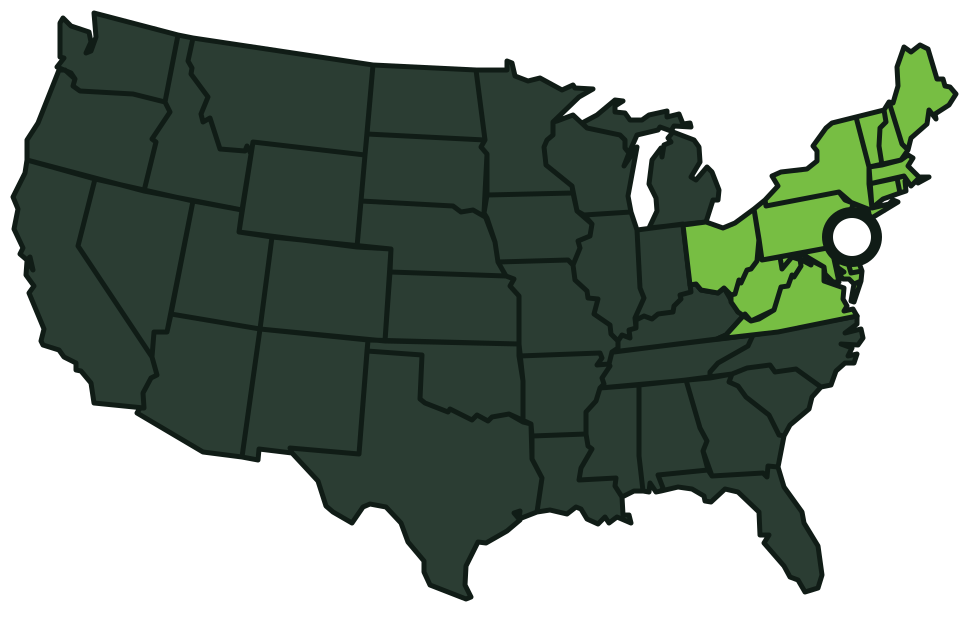
 Philadelphia, PA
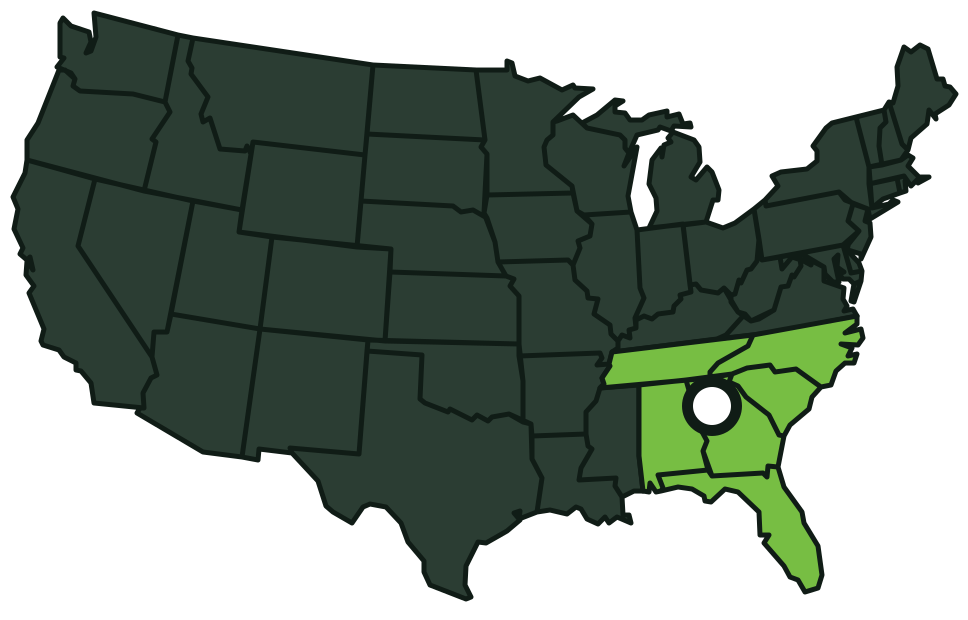 Atlanta, GA
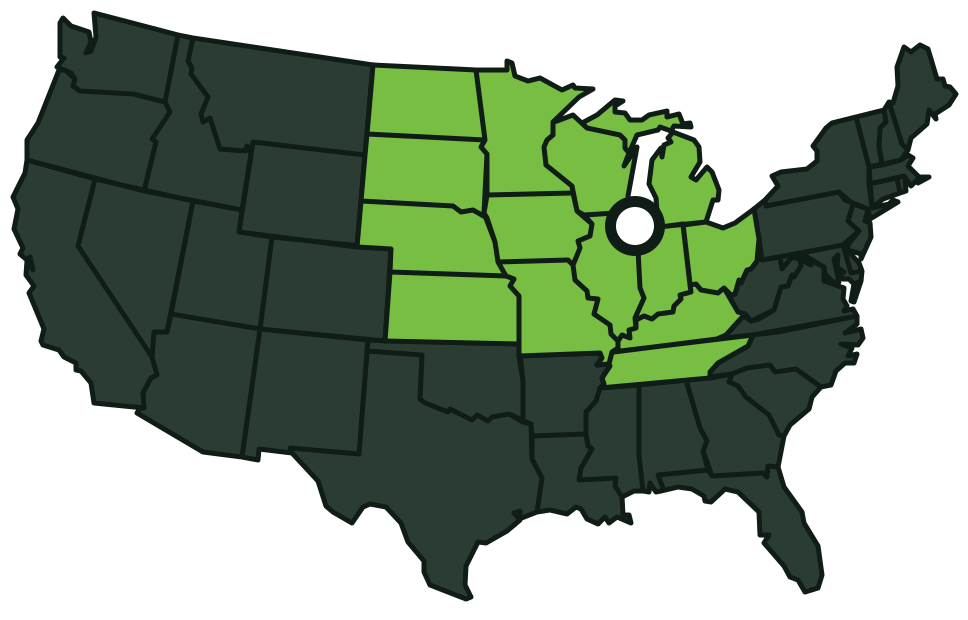 Chicago, IL
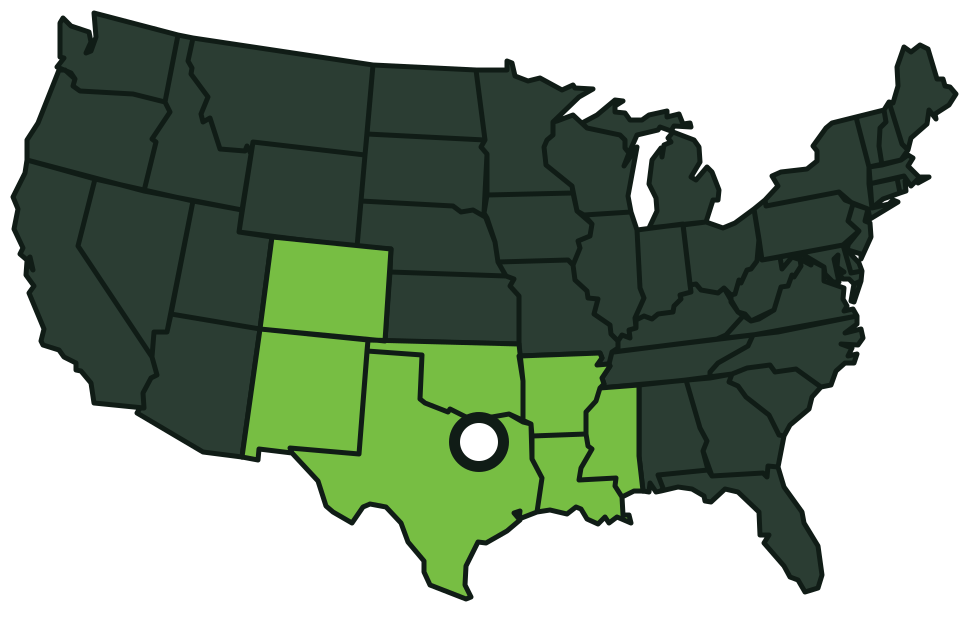 Dallas, TX
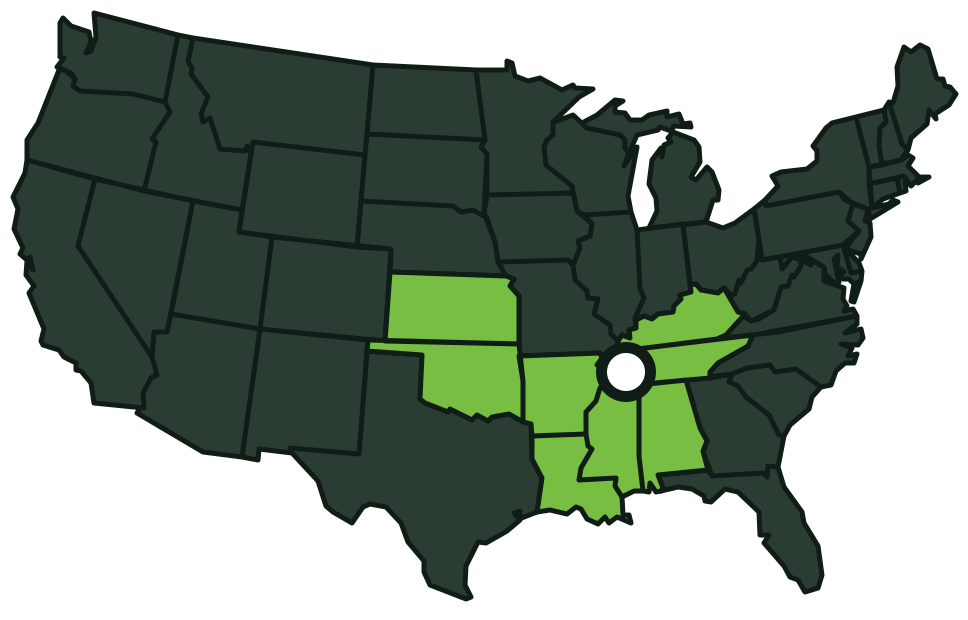 Jackson, TN
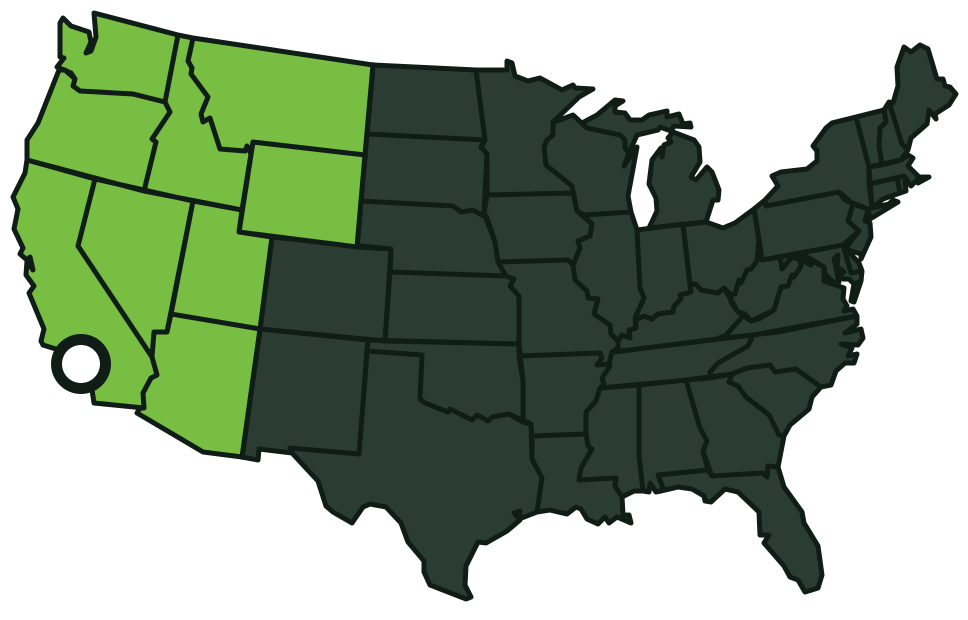 Los Angeles, CA
Industrial Pressure Washing
High pressure on the surfaces that can take it, with the water and everything in it contained, collected and documented rather than sent to the nearest drain.
What the surfaces look like when we get there
- Production floors are slick with oil and product, and the slip incidents have started.
- Structural steel and equipment exteriors are coated in years of process residue that no one has been able to reach.
- The loading dock and yard look like the least cared-for part of an otherwise good plant, and customers walk past it.
- A previous contractor washed it and the runoff went straight into the storm drain, which is now the plant's problem.
- Tanks, pits and containment areas need cleaning and the plant does not have the equipment or the permit process for it.
What it involves
inside a live plant.
Where pressure washing is the right method
Pressure washing is the correct tool for a specific set of surfaces: hard, water-tolerant, and dirty in a way that mechanical force removes. High-volume water, sometimes heated, sometimes carrying a degreasing agent, lifts material that scraping and sweeping cannot.
The surfaces Kelly pressure washes most often:
- Production floors, aisles and walkways
- Loading docks, ramps and truck courts
- Exterior walls, building surfaces and roll-up doors
- Structural steel, columns and support beams
- Tanks, vessels and their exteriors
- Pits, trenches and secondary containment areas
- Equipment exteriors, housings and frames that tolerate water
- Mezzanines, stairs and platforms
Where it is not the right method matters just as much. Electrical panels, motors, controls, moisture-sensitive equipment, food contact surfaces in some conditions, and any area where water cannot be contained all call for something else. Kelly runs dry ice blasting, industrial vacuum and manual degreasing for exactly those cases, which means the survey can recommend honestly.
What the work involves inside a live plant
Survey. A specialist walks the area, identifies the surfaces and what is on them, locates drains and containment, finds the electrical and the equipment that has to be protected, and confirms the window. Contaminant type sets the water temperature and whether a detergent or degreaser is used.
Containment. This is planned before anything else. Drains are blocked or diverted, berms and dams are set, and the collection point is established. In a plant with an industrial discharge permit, the plan is written to what the permit allows. Where collection and haul-off is required, that is arranged before the wash starts, not after the water is on the floor.
Protection and isolation. Electrical, controls, motors and moisture-sensitive equipment in and around the wash area are isolated or covered. Product, packaging and materials are cleared or protected. Where lockout applies, it is done to the plant’s procedure.
Washing. Pressure, water temperature, nozzle and standoff are set to the surface. A concrete floor with baked-on product takes a different setup from painted structural steel, and using the floor setup on the steel removes the coating. Degreasing agents are applied and given dwell time where oil is the issue, then rinsed.
Collection and disposal. Water and debris are recovered from the containment, and the material is disposed of according to what is in it and what local and federal requirements demand. Documentation comes back with the job.
Drying and handback. Floors are squeegeed and, where needed, dried and inspected before the area is released. A wet floor handed back to a running plant is a slip incident waiting to happen, so drying time is built into the schedule rather than left to chance.
Floors, slips and the housekeeping citation
The most common reason a plant calls for interior pressure washing is a floor that has become a slip hazard. Oil, hydraulic fluid, product residue and the film that builds from all three turn a concrete floor into something that fails the plant’s own safety audit and OSHA’s walking and working surfaces requirement.
Washing resolves it. Washing on a schedule keeps it resolved. For plants where the floor contamination comes from a process that has not changed, Kelly sets a recurring interval and the slip incidents stop being a recurring line in the safety report.
Where the contamination is heavy oil or grease rather than general soil, the work usually starts as degreasing and finishes as pressure washing. Those are handled together.
Exteriors and what the building says
The outside of a plant is the first thing a customer, an auditor or a prospective employee sees. Exterior walls, docks, canopies and yards accumulate dirt, algae, exhaust film and traffic grime that make a well-run plant look neglected.
Exterior work is usually the easiest scope to schedule, because it rarely touches production at all. It is often combined with a roof inspection or coating assessment, since the crew is already on site with access equipment.
Industries
Food and beverage. Floors, drains, docks and exterior surfaces, with methods and chemicals chosen to the plant’s sanitation program and water contained away from product areas.
Corrugated and paper. Structural steel, floors and equipment exteriors carrying starch, adhesive and fiber.
Manufacturing and automotive. Oil and coolant on floors, structural steel, and the yard and dock areas that take the most traffic.
Chemical and process. Containment areas, tank exteriors and structural surfaces, where the wash water needs careful handling because of what it picks up.
Warehousing and distribution. Floors, docks and exteriors across large footprints, usually on a scheduled cycle.
On a schedule
One wash resolves what is there. A schedule is what keeps a floor from becoming a hazard again, and it is cheaper than the incident. Kelly sets the interval from what the first visit reveals and from how fast the process re-contaminates the surface, then returns on that cycle with the same crew and the same containment plan.
Performed to the standards
your plant is held to.
Wash water carrying oil, chemicals or process residue is industrial wastewater. It cannot be allowed to reach a storm drain. Kelly contains and collects wash water and debris, disposes of it according to local and federal requirements, and provides the documentation for your file.
Walking and working surfaces. Floors must be kept clean, orderly and free of hazards including oil and grease accumulation. Pressure washing on a schedule is the usual answer for a plant that keeps failing this one.
Lockout and tagout, and electrical safe work practices. Water and energized equipment do not mix. Equipment in the wash area is isolated, and anything that cannot be isolated is protected or cleaned by another method.
Many municipalities regulate what may enter the sanitary sewer from an industrial site. Kelly works to the plant's own discharge permit and, where collection and haul-off is required, arranges it.
What you get that
a general contractor cannot give you.
Containment before pressure
The water is the easy part. Containing it, collecting it and getting it disposed of correctly is the part that separates an industrial contractor from a mobile washing outfit. Kelly plans the containment first and hands over the disposal documentation at the end.
We will tell you when not to use water
Pressure washing is the wrong method for electrical, for moisture-sensitive equipment and for some substrates. Because Kelly also runs dry ice, vacuum and manual degreasing, the recommendation is not driven by the equipment on the truck.
Scheduled around your hours
Nights, weekends and planned shutdowns, because a wet floor in a running plant is a hazard, not a service. The plan includes drying and return-to-service time, not just wash time.
Full-time Kelly crews
No subcontractors. Every technician handling a lance inside your plant is a Kelly employee trained on the equipment, the containment and the plant's own rules.
Pressure Washing from
six service centers.
Every Kelly service is staffed from all six centers, so the crew that comes to your plant is the one based nearest to it. Coverage is all 48 contiguous states.
See the full territory map and the states each center covers on the service areas pages.
Asked before the quote.
What do you do with the wash water?
Do you use hot water?
What surfaces can be pressure washed?
Can it be done while the plant is running?
How fast can a crew be on site?
Tell us about the facility.
We'll tell you straight.
A specialist reviews every request, not a call center. If it is not Kelly work, we will say so and point you in the right direction.