
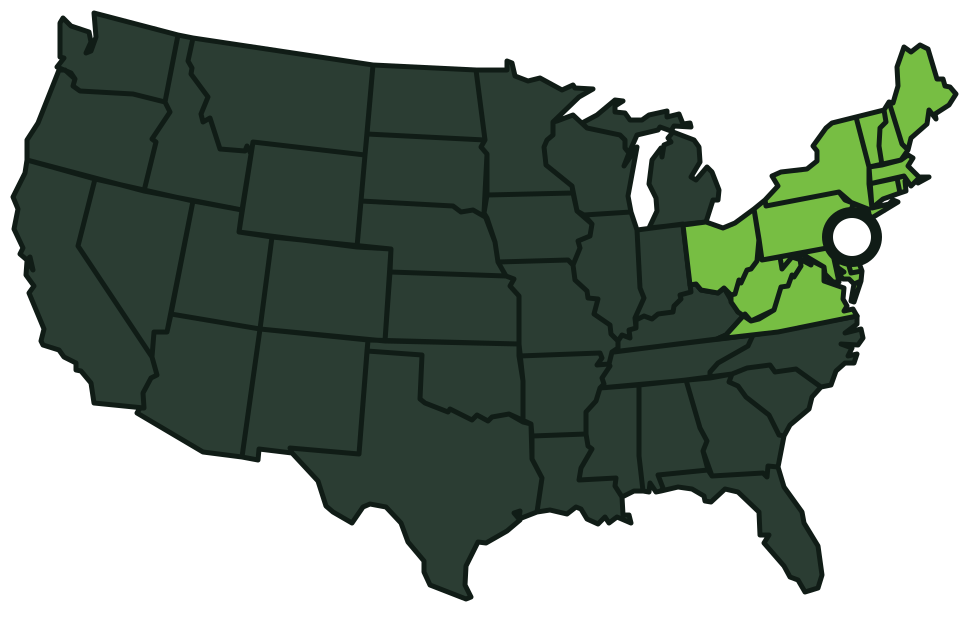
 Philadelphia, PA
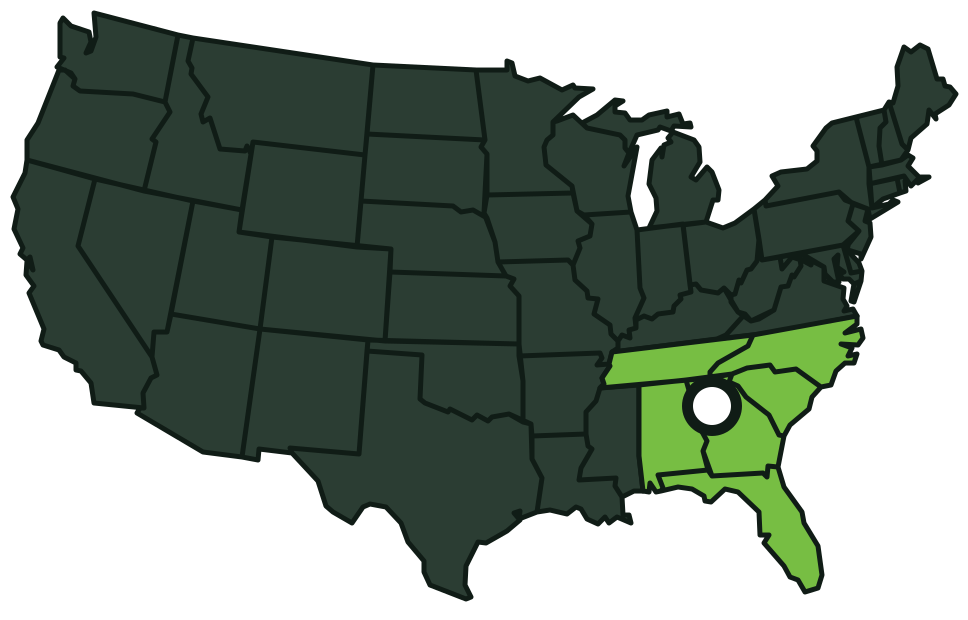 Atlanta, GA
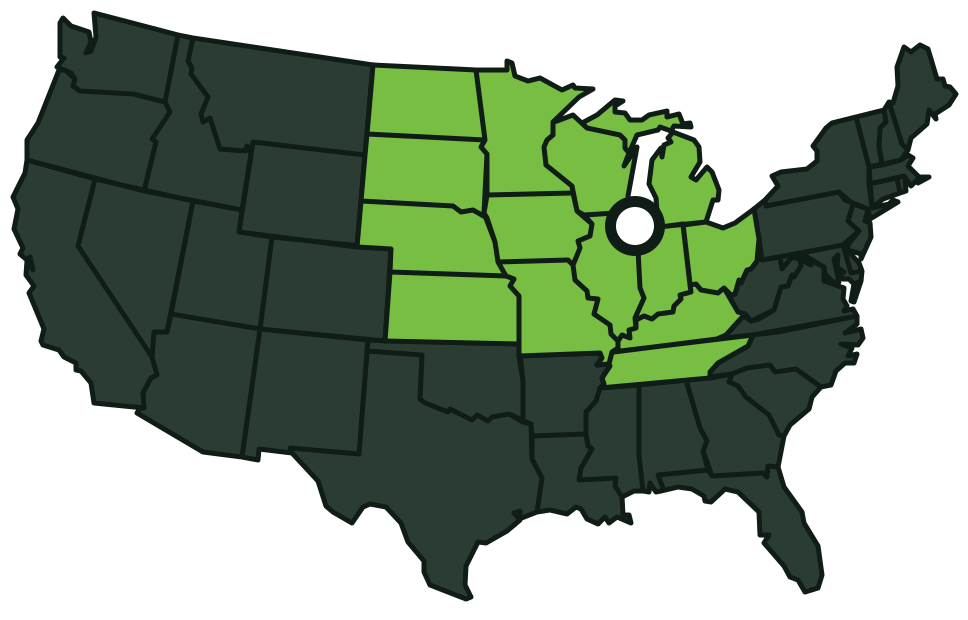 Chicago, IL
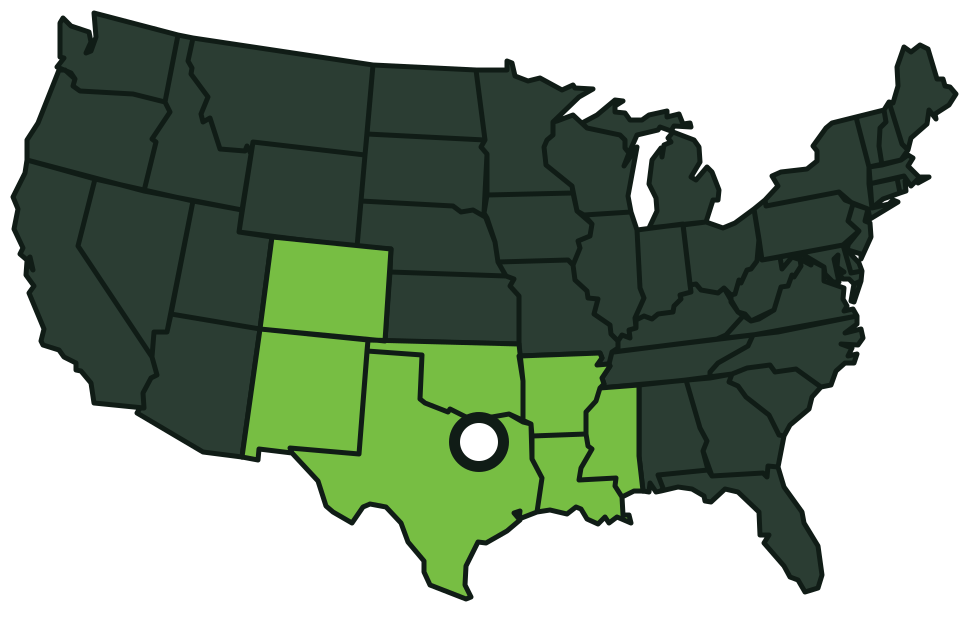 Dallas, TX
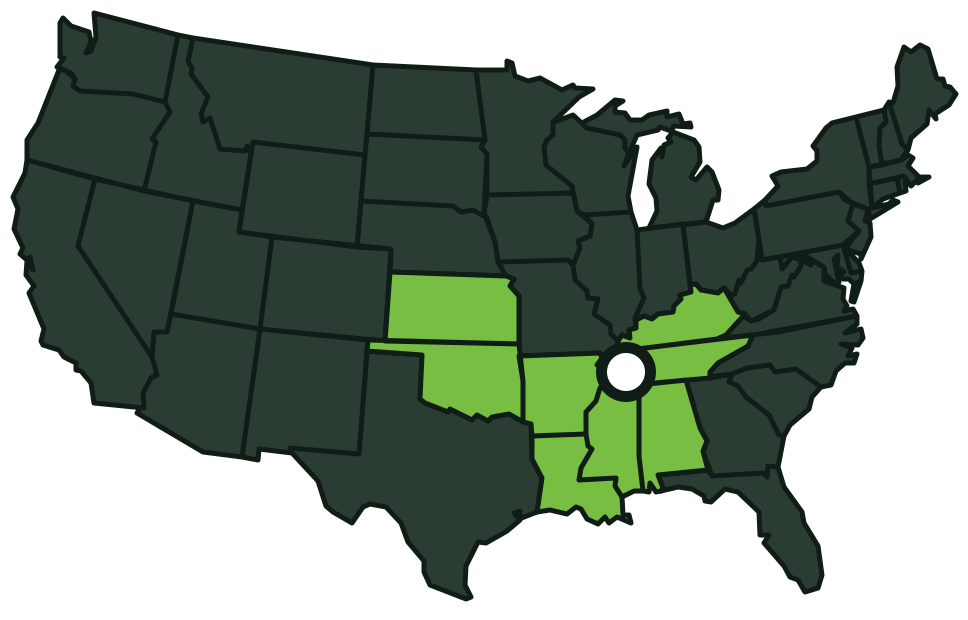 Jackson, TN
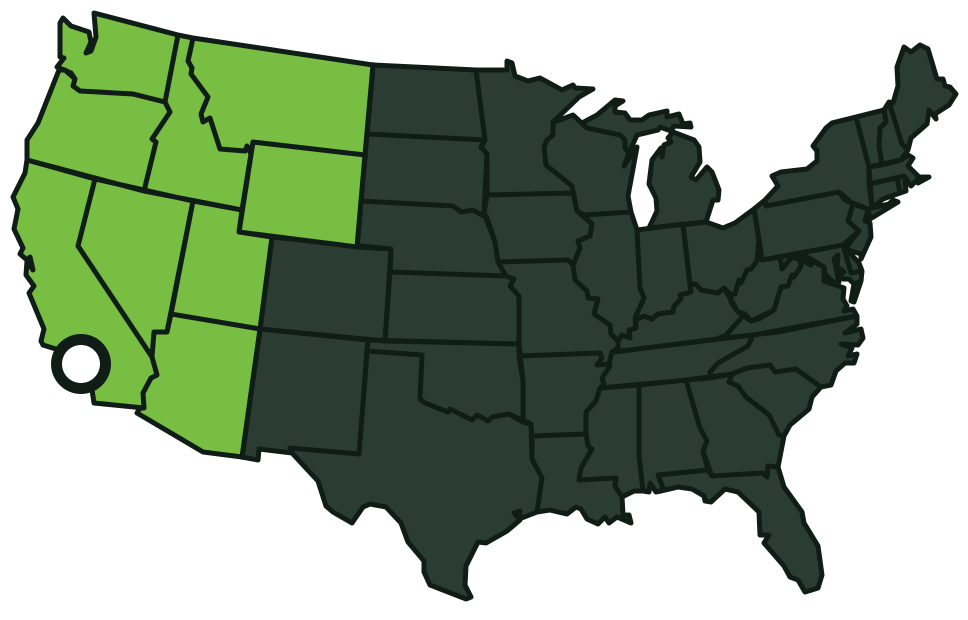 Los Angeles, CA
Automotive, Plastics and Coating Operations
Molds, tooling, weld cells and paint systems, cleaned without water, without abrasive and without disassembly, inside a shutdown window that was fixed before the year started.
What the shutdown list looks like.
- Molds and tooling carry release agent, resin and flash, and the current method requires pulling them and soaking them.
- Weld cells, fixtures and robot arms are covered in spatter and smoke, and the cell is losing cycle time to it.
- Paint shop overspray has built on booth structure, grating, conveyors and the equipment around them.
- Conveyors, skids and carriers have accumulated enough that carryover is showing up as a quality defect downstream.
- Plastics dust and regrind have collected through the material handling system and nobody is treating it as a combustible dust.
What the work looks like
in your building.
Why this industry cleans differently
In most plants the question is how to remove the material. Here the question is what the removal method will do to the surface underneath, because the surfaces are expensive, precise and frequently coated, and because the cost of damaging one is not the cost of cleaning it again.
A mold cavity has a surface finish that took money to produce. A robot arm carries sensors and cabling. A weld fixture holds a tolerance. A painted booth surface cannot take contamination. On all of these, the methods that work elsewhere, pressure, abrasive, chemistry, soaking, are either unavailable or carry a risk that the plant will not accept.
That is why dry ice leads most scopes in this industry rather than supporting them. It removes the contaminant and not the substrate, it introduces no water into an environment that cannot have it, and it leaves no media behind to collect afterwards. The whole planning conversation is shaped by that.
Where the work is
- Molds, dies, tooling and cavity surfaces
- Presses, platens and machine interiors
- Weld cells, fixtures, guns, tips and robot arms
- Paint booths, grating, ducting, hangers and carriers
- Conveyors, skids, transfers and part handling
- E-coat, pretreatment and the structure around them
- Material handling: hoppers, silos, ducting, regrind and collection
- Overhead steel, lighting and ventilation above cells and lines
- Floors and structure in press, stamping and machining areas
The shutdown calendar decides everything
Automotive is the most calendar-driven industry Kelly works in. The summer and holiday shutdowns are set a year ahead, they are the only substantial windows in the year, and every plant and every supplier in a region wants the same days. A scope that is not booked against a specific window on that calendar does not happen, and a scope booked late gets whatever access is left.
Kelly plans backwards from the window. Scope and crew size are agreed months ahead, sequencing accounts for the mechanical, electrical and tooling work happening in the same space, and the plan states plainly what fits in the hours available and what does not. Where the honest answer is that the full scope needs more window than exists, we say so while there is still time to split it across two shutdowns rather than discovering it on day four.
Between shutdowns, most of the real work happens on weekend downs and on the tooling maintenance cycle, which for a high-cavitation mold runs far more often than any plant shutdown. A settled program in this industry usually has those two rhythms running independently.
Weld cells and the cycle time nobody attributes to cleaning
Spatter and smoke accumulate on fixtures, clamps, tips, guns and the cell enclosure. The effect is gradual: locating surfaces lose accuracy, tips need changing more often, sensors read less reliably, and the cell spends more of its cycle on things that are not welding. Because it happens slowly, it is rarely attributed to housekeeping.
A cell cleaned properly during a down usually returns something measurable, and plants that track cell performance can see it. The work is done under the plant’s lockout procedure with the cell isolated and verified, and released back through whatever validation the plant requires. In practice the validation is the scheduling constraint more often than the cleaning is.
Plastics dust, treated as what it is
Resin dust, regrind fines and buffing dust are combustible. A plastics operation moves them through hoppers, ducting, silos, cyclones and collectors, which is a system that concentrates fine material, moving air and mechanical equipment in enclosed volumes. NFPA 660 covers it, and the standard’s requirements are the same here as anywhere: know the material, keep accumulation below a threshold, clean with equipment that cannot be the ignition source, and document it.
The part that gets missed is that the risk sits inside the handling system rather than on the visible surfaces of the plant. A plastics operation with an immaculate floor and an uninspected collector has the problem in the place where it matters. Kelly cleans the system, with bonded and grounded equipment, and reports condition as well as accumulation.
Who is in the building
Automotive plants care about who is inside them in a way most industries do not. Certification, customer audits and plant rules all extend to contractor personnel: training records, insurance, who they are employed by, and what they were inducted on.
Every Kelly technician is a full-time Kelly employee. No brokered labor, no subcontracted crews, no different faces each visit. That is straightforward to evidence when a plant or its customer asks, and it is one of the reasons the same crews return to the same plants across model years.
The standards this
plant type is held to.
The consolidated combustible dust standard, effective December 2024. Plastic and resin dust, regrind fines and buffing dust are combustible, and material handling systems in a plastics operation concentrate exactly the conditions a deflagration needs.
Lockout and tagout, and machine guarding. A robot cell, a press and a conveyor all have stored energy and all have to be isolated to the plant's own energy control procedure before a technician is inside them.
Ventilation, and spray finishing with flammable and combustible materials. Paint booths and their exhaust systems are regulated specifically, and overspray accumulation on booth structure is both a fire load and a compliance item.
The quality system automotive plants are certified to, under which housekeeping, contamination control and preventive maintenance are auditable. Customer audits frequently look harder at the building than the certification body does.
What Kelly does here,
and in what order.
Almost everything on this list is scoped around one constraint: the surface is expensive and precise, so water and abrasive are usually not available. That is why dry ice leads most automotive and plastics scopes rather than supporting them.
- 01 Industrial Dry Ice Blasting The core method here. Molds, tooling, weld cells, fixtures, robot arms, paint booth structure and conveyors, cleaned in place with no water, no abrasive, no secondary waste and usually no disassembly.
- 02 Equipment, Conveyor and Line Cleaning Conveyors, skids, carriers, transfers and the systems moving parts between operations, where carryover becomes a downstream quality defect.
- 03 Ceiling, Overhead and High Dusting Overhead steel, lighting, ventilation and structure above cells and lines, which is where the dust that lands on a wet paint surface comes from.
- 04 Combustible Dust Cleaning Plastics dust, regrind fines and buffing dust in material handling, silos, ducting and collection equipment, with bonded and grounded equipment.
- 05 Oil and Grease Removal Press areas, machining, stamping and the floors and structure around them, where oil and coolant are continuous.
- 06 Industrial Facility Painting and Coatings Structure, guarding, safety markings and equipment housings, usually taken in the same shutdown week because it is the only window available.
The windows an automotive plant actually has.
The shutdown calendar in this industry is fixed a year ahead and everyone in the region wants the same two weeks. Work that is not booked against a window on that calendar does not happen.
- Summer and holiday shutdown
- The two weeks that carry most of the year's work. Scope agreed months ahead, crew sized to the hours rather than the budget, and the plan built on the assumption that mechanical, electrical and tooling crews are competing for the same access.
- Model year changeover
- Where tooling, fixtures and cell cleaning belong, because equipment is already being handled and the line is going to be validated afterwards anyway.
- Weekend and non-production downs
- Enough for a cell, a booth section, a conveyor run or a set of molds. Most recurring programs in this industry run here rather than waiting for a shutdown.
- Between runs, on tooling
- Mold and tooling cleaning tied to the maintenance cycle rather than the plant calendar, which for a high-cavitation tool can mean far more often than any shutdown.
Who Kelly works for in this industry.
Kelly names Mercedes among its customers. Automotive assembly is the environment where full-time, trained, directly employed crews matter most, because the plant's own audit requirements extend to who is inside the building and what they were trained on.
The Atlanta and Jackson service centers carry most of this work, covering the Southeast assembly corridor through Alabama, Georgia, South Carolina, Tennessee and Kentucky along with the supplier base behind it. Chicago carries the Michigan, Ohio and Indiana base.
Every service from
six service centers.
Every Kelly service is staffed from all six centers, so the crew that comes to your plant is the one based nearest to it. Coverage is all 48 contiguous states.
See the full territory map and the states each center covers on the service areas pages.
Asked before the quote.
Can you clean molds without pulling them?
Will dry ice damage a tool or a robot?
How do you work inside a robot cell?
What about the paint shop?
Is plastics dust really a combustible dust?
Tell us about the facility.
We'll tell you straight.
A specialist reviews every request, not a call center. If it is not Kelly work, we will say so and point you in the right direction.