
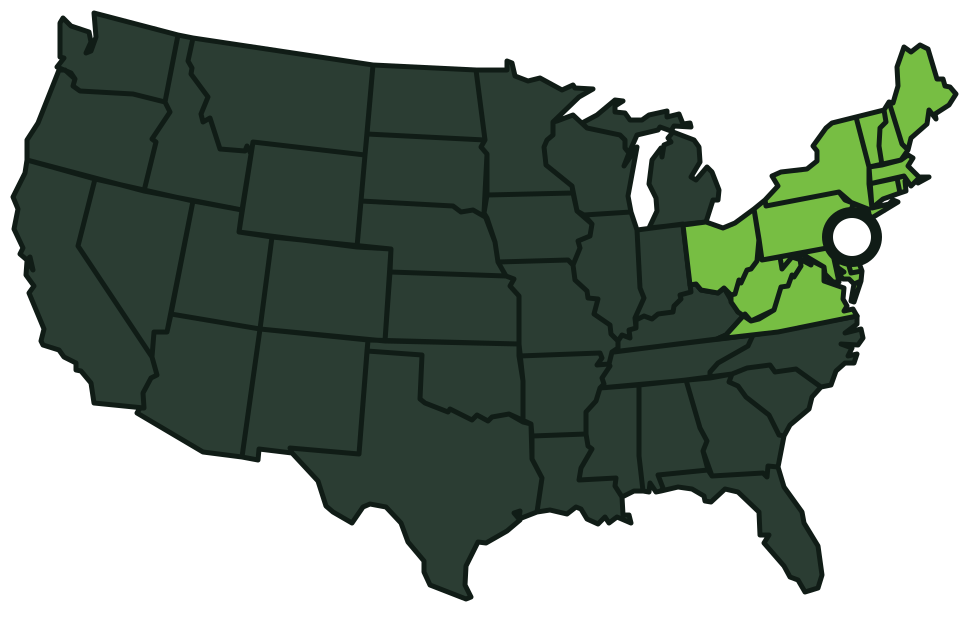
 Philadelphia, PA
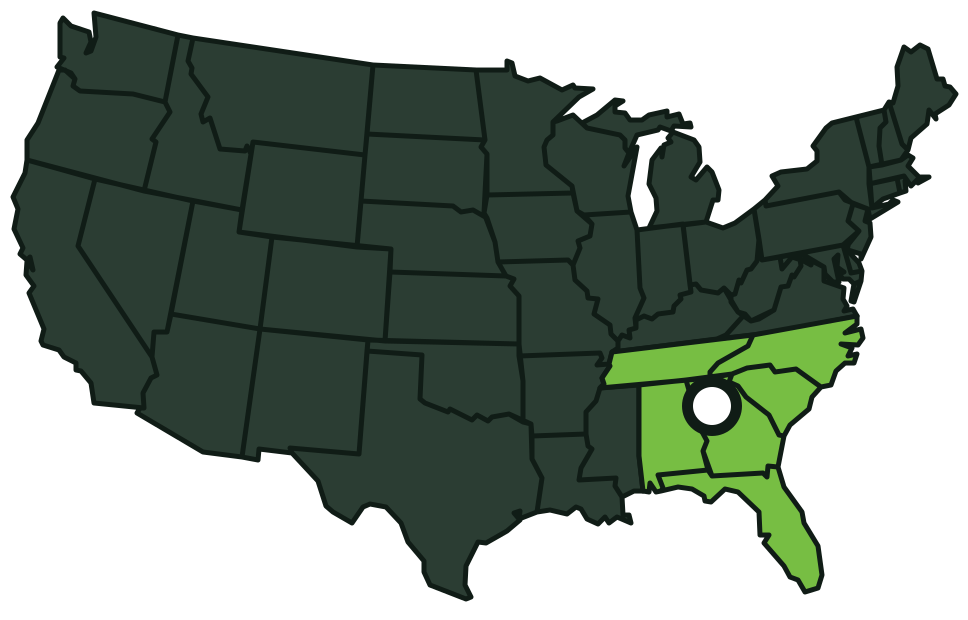 Atlanta, GA
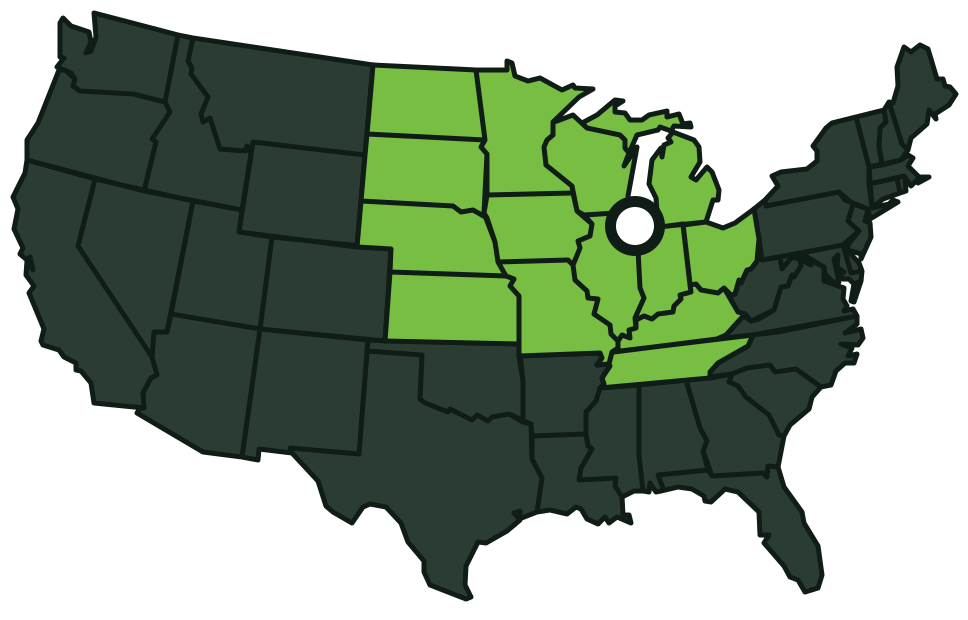 Chicago, IL
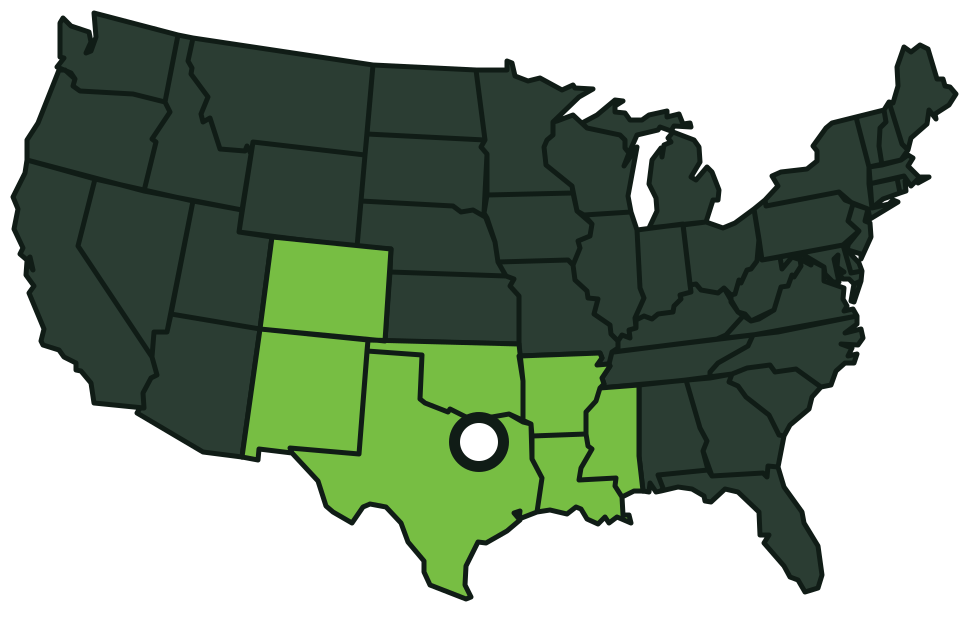 Dallas, TX
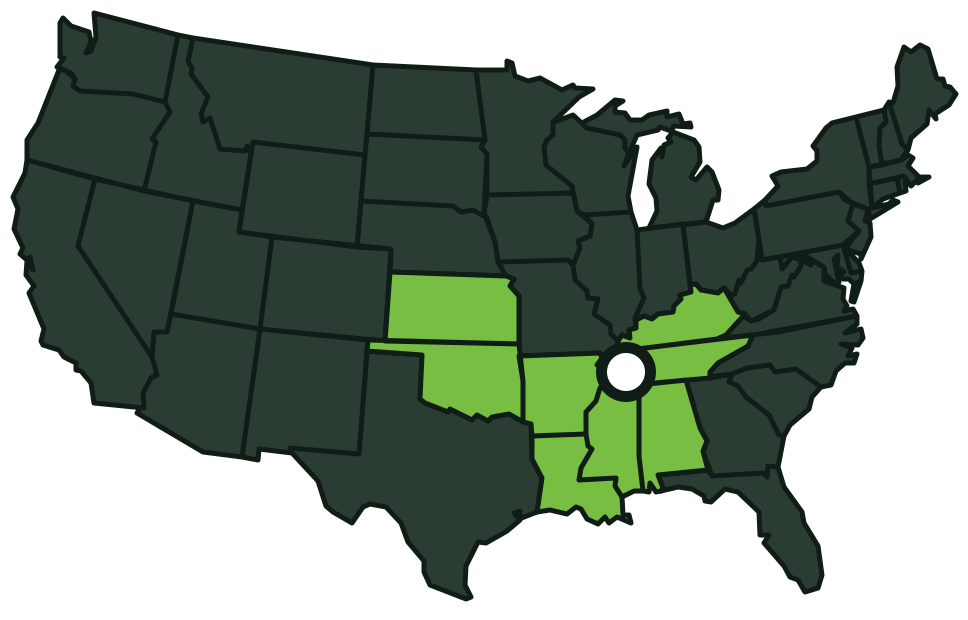 Jackson, TN
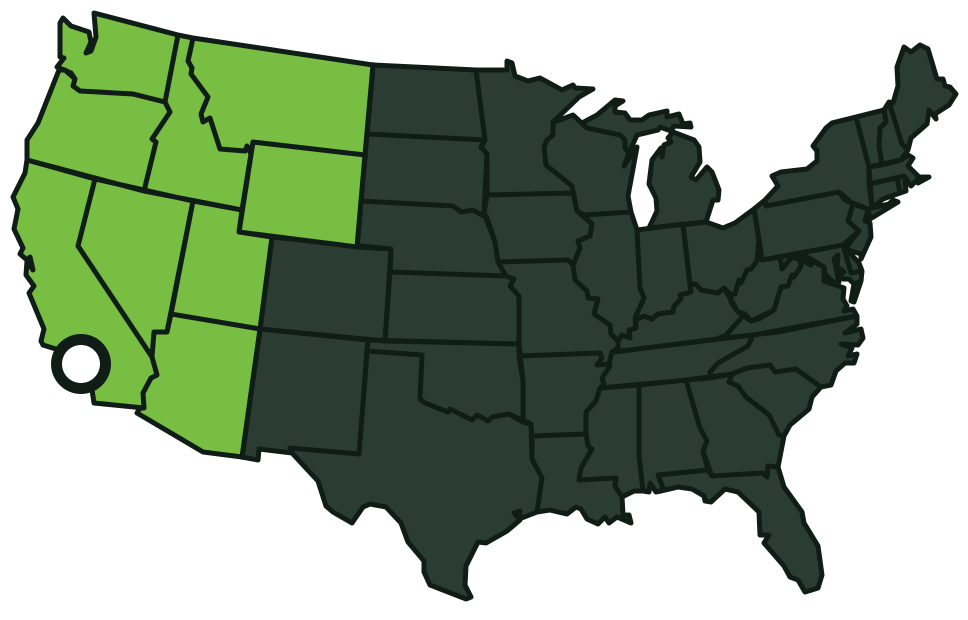 Los Angeles, CA
Industrial Vacuum Services
Explosion-rated, HEPA-filtered vacuum equipment for dust that has to be captured where it sits: in silos, pits, ducts and collectors, and in any area where the plant or the material calls for vacuum over blowdown.
Where plant housekeeping runs out of equipment
- The dust is combustible, and the only vacuum on site is a shop vac, which is an ignition source with a bag on it.
- The accumulation is in a silo, a pit, a duct or a hopper, and getting to it is a confined space entry.
- Part of the plant cannot take a blowdown: open product, sensitive equipment, or a material that has to be captured where it sits.
- A dust collector, baghouse or pneumatic system needs cleaning out and the plant has no way to do it safely.
- A customer, an inspector or an insurer wants the accumulation gone and the removal documented.
What it involves
inside a live plant.
What industrial vacuuming is for
Every dry process in a plant produces particulate that escapes capture at the source and settles somewhere. Across open structure, blowdown is usually the fastest and most cost-effective way to deal with it. Inside vessels, ducts and collection systems, above areas that cannot take a blowdown, and wherever the material has to be captured where it sits, an industrial vacuum is the tool.
The distinction that matters is what the dust is. Inert dust is a housekeeping problem and a HEPA-filtered industrial vacuum handles it. Combustible dust is a fire and deflagration problem, and the equipment used to remove it has to be rated for the atmosphere it is working in: explosion-rated, grounded and bonded so that static cannot become the ignition source.
Kelly carries both, and the survey decides which applies.
Where the material is
Overhead. Rafters, joists, structural steel, ductwork, conduit, cable trays, pipe runs and light fixtures. The largest accumulation in most plants and the hardest to reach.
Vessels and enclosures. Silos, bins, hoppers, tanks and the interiors of process equipment, most of which are permit-required confined spaces.
Collection systems. Baghouses, dust collectors, cyclones, ductwork and pneumatic conveying lines. These are frequently the reason accumulation appears elsewhere, and cleaning them is often the root-cause fix rather than the symptom fix.
Below grade. Conveyor pits, trenches and equipment pits where dry material collects and nobody goes.
Electrical and control areas. Enclosures, panel interiors and control rooms, where dust is both a fire risk and a failure risk. Where the equipment cannot be de-energized, dry ice blasting is the alternative.
Floors and equipment bases. Under and behind equipment, on ledges and in the corners routine housekeeping cannot reach.
What the work involves
Survey and characterization. What the material is decides everything: the equipment rating, the filtration, the crew’s respiratory protection and the disposal route. If the dust has been tested and is known to be combustible, that governs. If it has not been tested, Kelly assumes it is until the plant shows otherwise, which is the same assumption NFPA makes.
Equipment setup. Explosion-rated vacuum units where the dust is combustible, grounded and bonded to the plant’s grounding system. HEPA filtration to capture the fines rather than exhaust them back into the building. High-CFM capacity sized to the job, with hose runs and attachments planned for the access.
Permits and entry. Where the scope includes a confined space, the plant’s permit program governs. Atmospheric testing before and during, an attendant posted, continuous monitoring, and rescue provisions in place. Nothing is entered on the basis that it has always been fine.
Sequence. Top down. High surfaces first, then equipment and enclosures, then floors, so that nothing already cleaned is recontaminated.
Capture at the surface. The vacuum head works at the surface, drawing the material straight into rated, filtered equipment.
Disposal and documentation. Collected material is contained, characterized with the plant and disposed of accordingly. Areas, dates, methods and photographs are handed over in a form that goes into the compliance file.
The 1/32 inch question
The threshold most plants have heard is a dust layer of one thirty-second of an inch, roughly the thickness of a paper clip, over five percent of the floor area. It came from NFPA 654 and it is still the number insurers and inspectors quote, even though NFPA 660 now sets the threshold through each facility’s own Dust Hazard Analysis.
It remains a useful field test. If you can write your name in it, there is more than a thirty-second of an inch there, and it is time to clean. What the DHA adds is the judgement about which surfaces matter most and how often they need attention, which is what turns a one-off clean into a program.
Industries
Corrugated, paper and packaging. Paper dust and starch, continuously produced, accumulating on everything above the line.
Wood products. Sawdust and sanding dust, the original subject of NFPA 664 and still among the most hazardous accumulations in industry.
Food and beverage. Flour, sugar, starch, grain and powdered ingredients, where the work is a food safety job and a combustible dust job simultaneously.
Plastics and coatings. Resin dust and fines from grinding, compounding and finishing.
Metals. Aluminum, magnesium and other metal fines, which carry specific hazards and handling requirements beyond ordinary combustible dust.
General manufacturing. Process particulate, weld smoke residue and the dust that collects in every building with a roof on it.
As part of a program
Vacuum work rarely stands alone. On most plants it runs alongside blowdown inside a broader combustible dust or overhead cleaning program, on an interval set by the Dust Hazard Analysis and the observed accumulation rate. Kelly measures on the first visit, proposes the interval, and returns on it.
Performed to the standards
your plant is held to.
The consolidated combustible dust standard. Where the material is combustible, the cleaning must not introduce an ignition source, which is why vacuum equipment used on it has to be explosion-rated, grounded and bonded.
Permit-required confined spaces, which covers most silos, pits, hoppers, ducts and vessels. Entry is permitted, atmospheric testing is performed and logged, an attendant is posted and rescue provisions are in place before anyone goes in.
Respiratory protection and air contaminant limits. The material being removed determines the protection the crew wears, whether that is nuisance dust, silica, a metal fine or a food allergen.
Collected material is disposed of according to what it is. Kelly handles the characterization question with the plant and provides the disposal records for the file.
What you get that
a general contractor cannot give you.
Rated equipment as standard, not as an upgrade
Kelly carries explosion-rated, HEPA-filtered industrial vacuum equipment as a matter of course, grounded and bonded to the plant. That is the equipment combustible dust requires, and it is the reason this work cannot be handed to general labor with a rental.
Confined space is part of the job, not an obstacle
Silos, pits, hoppers and ducts are where the accumulation is. Kelly technicians are trained and equipped for permit-required entry: atmospheric testing, attendant, continuous monitoring and rescue planning, all to the plant's own program.
Vacuum or blowdown, settled on the walk-through
Most plants Kelly cleans are blown down, because across a whole structure it is faster and more cost-effective. Vacuum earns its place inside vessels and collection systems, and wherever the plant, the material or the DHA calls for it. The survey settles which, before anything is quoted.
Documented for the people who asked
Areas, dates, volumes where relevant, disposal records and photographs. Most vacuum work exists because somebody wrote a finding, and the record is what closes it.
Industrial Vacuum Services from
six service centers.
Every Kelly service is staffed from all six centers, so the crew that comes to your plant is the one based nearest to it. Coverage is all 48 contiguous states.
See the full territory map and the states each center covers on the service areas pages.
Asked before the quote.
Why not use a regular industrial vacuum?
What materials can you vacuum?
Do you clean inside silos and vessels?
Can you clean out dust collectors and ductwork?
How does this fit with overhead cleaning?
Tell us about the facility.
We'll tell you straight.
A specialist reviews every request, not a call center. If it is not Kelly work, we will say so and point you in the right direction.