
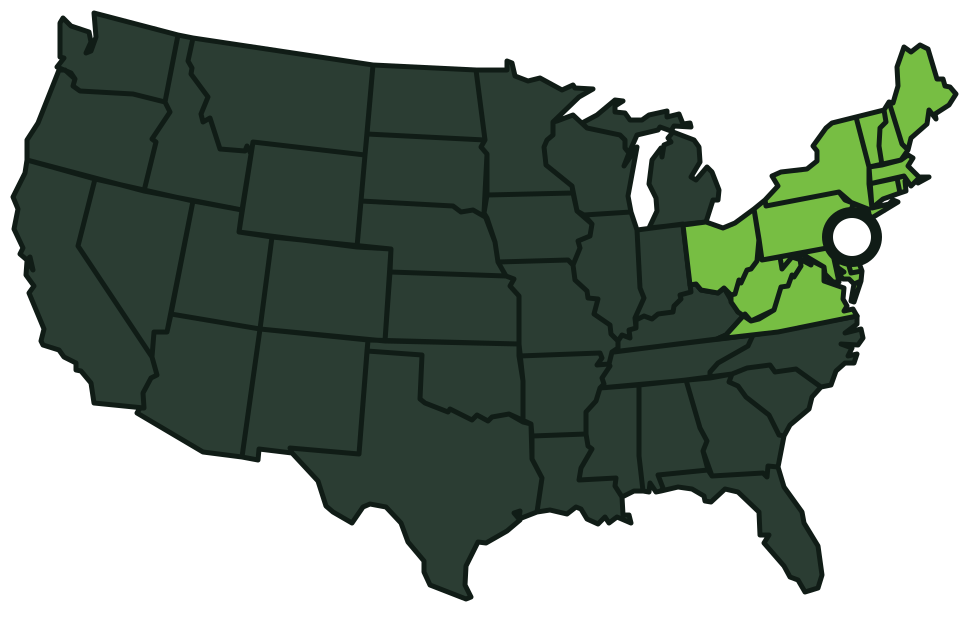
 Philadelphia, PA
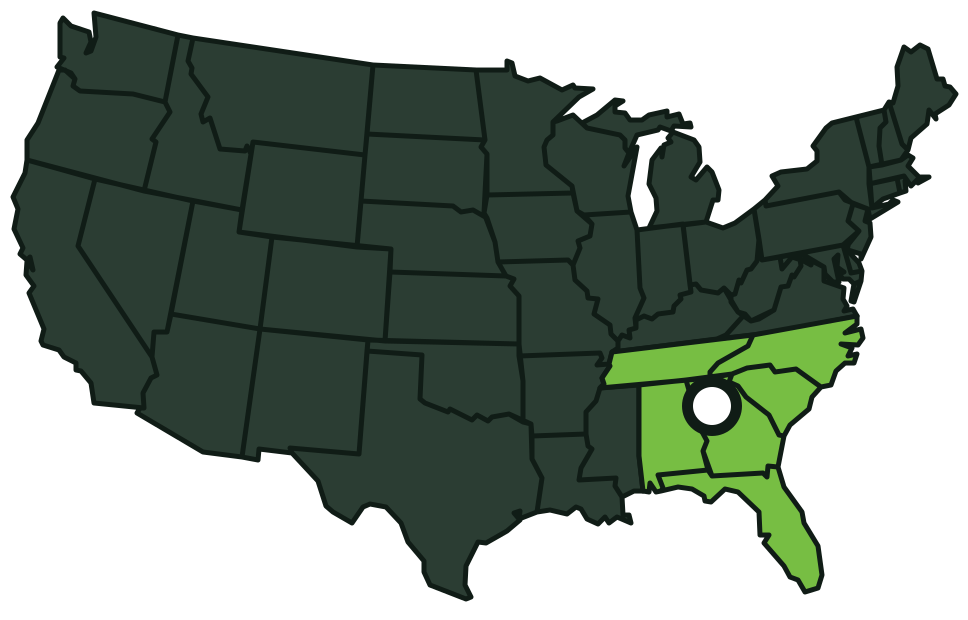 Atlanta, GA
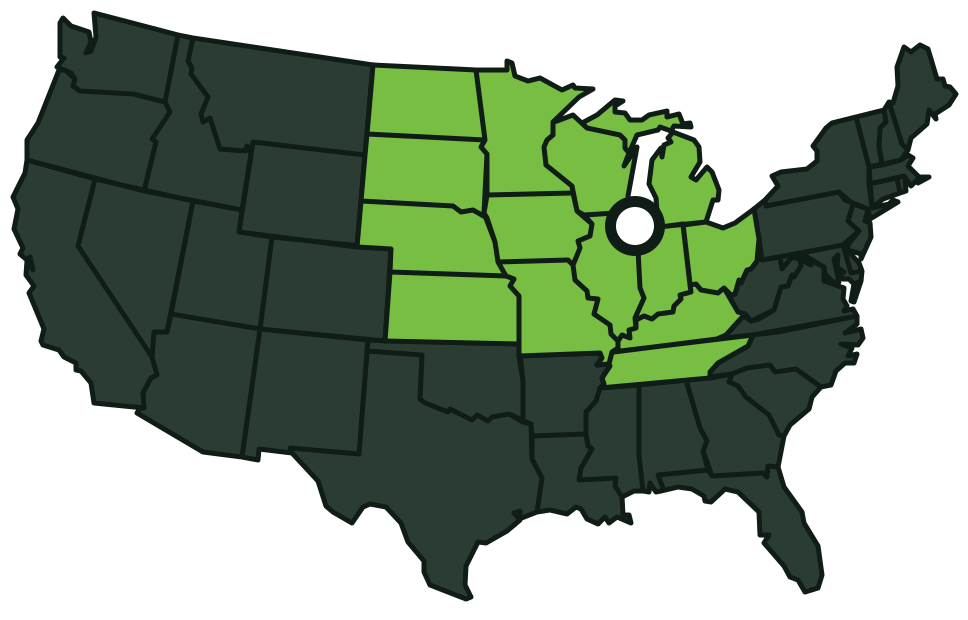 Chicago, IL
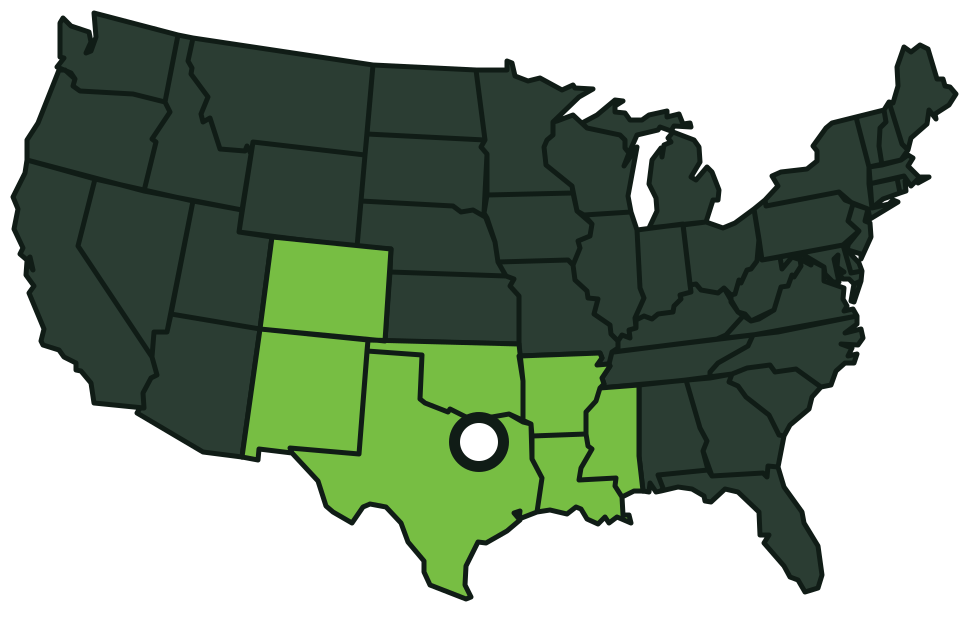 Dallas, TX
 Jackson, TN
 Los Angeles, CA
Complex Industrial Weatherproofing and Structure Restoration: Coatings for Challenging Roof Decks, Walls, and Water Management
Industrial plant roof coatings restore aging roof decks, walls, and drainage systems, protecting your facility from leaks, corrosion, and costly downtime.
Industrial facilities don’t fail gracefully. A roof deck that’s been quietly absorbing moisture for years, a parapet wall with hairline cracks, or a drainage system clogged with debris can turn a routine maintenance item into a six-figure emergency almost overnight. For plant managers running paper mills, food and beverage plants, packaging operations, and manufacturing facilities, the building envelope isn’t just an aesthetic concern - it’s the first line of defense against production downtime, equipment damage, and regulatory exposure.
That’s why industrial plant roof coatings have become a cornerstone of preventive facility maintenance rather than an afterthought. Done correctly, a coating system doesn’t just patch a leak; it restores the structural integrity of the roof deck, reinforces wall assemblies, and re-establishes proper water management across the entire envelope. Done poorly - or skipped altogether - it accelerates the very deterioration it was meant to prevent.
Why Industrial Roofs Fail Differently Than Commercial Ones
Most commercial roofing problems are isolated: a flashing detail here, a membrane seam there. Industrial roofs operate under a different set of stresses entirely. Thermal cycling from process heat, chemical exposure from manufacturing operations, vibration from heavy machinery, and constant foot traffic from maintenance crews all compound the normal wear caused by sun, rain, and freeze-thaw cycles.
Add in the scale of these structures - often hundreds of thousands of square feet - and small problems multiply fast. A single ponding area on a low-slope deck can saturate insulation across an entire bay before it’s even visible from the ground. This is why a comprehensive evaluation of roof condition, drainage performance, and structural soundness has to come before any coating decision, not after.
Coatings Built for the Roof Deck, Not Just the Surface
A high-quality industrial coating system does more than seal a surface; it acts as a monolithic, fully adhered membrane that moves with the substrate through thermal expansion and contraction. For plants dealing with aging metal decks, built-up roofing, or modified bitumen systems that have outlived their warranty, a properly specified coating can extend service life by a decade or more at a fraction of the cost of a full tear-off and replacement.
The right system depends heavily on substrate condition, slope, ponding history, and chemical exposure on site. Acrylic, silicone, and polyurethane coatings each bring different strengths - UV reflectivity, ponding water resistance, or chemical resistance - and the surface prep (pressure washing, media blasting, or mechanical abrasion) matters just as much as the coating itself. We go deeper into how these systems are engineered for heavy industrial use in our breakdown of high-performance factory roof coatings, including how reflective and elastomeric formulations perform under sustained thermal and chemical stress.
Walls and Structural Restoration: The Often-Overlooked Half of the Envelope
Roof decks get most of the attention, but exterior walls, parapets, and structural steel are just as exposed to the elements - and often in worse condition because they’re inspected less frequently. Corrosion on structural steel, efflorescence on masonry, and failing sealant joints around wall penetrations all create pathways for water intrusion that can undermine a roof restoration project before it’s even finished.
Restoring these surfaces typically involves removing oxidation and biological growth, addressing any underlying corrosion, and applying coatings engineered to resist the same combination of UV exposure, moisture, and chemical contact that the roof itself faces. Silo and tank exteriors fall into this same category: tall, weather-exposed structures that depend on a sound “envelope” to prevent product contamination and structural failure over time. Our facility painting services cover this full range of wall, steel, and high-structure restoration work using the same surface-prep rigor we apply to roofing systems.
Water Management Is the Variable That Decides Everything
A roof coating is only as good as the drainage system underneath it. Clogged scuppers, undersized drains, and debris-choked gutters create the standing water that breaks down even premium coatings prematurely. Before any coating goes down, drains, scuppers, and internal piping need to be cleared and verified, and slope needs to be assessed for chronic ponding areas that may need tapered insulation or crickets built into the restoration plan.
This is where roof cleaning and coating work have to be treated as a single project rather than two separate line items. A coating applied over a roof with unresolved drainage issues will fail in the exact same spots within a year or two, regardless of how good the material is. We cover the connection between cleaning, structural integrity, and drainage compliance in detail in our article on industrial roof cleaning, structural integrity, and drainage compliance, which walks through how debris removal and drainage verification set the stage for any successful coating system.
Compliance, Documentation, and Why It Matters to Your Insurer
Beyond preventing leaks, a documented roof restoration program matters for compliance and risk management. Insurers and auditors increasingly want evidence of proactive maintenance - inspection records, drainage verification, and coating warranties - particularly for facilities running 24/7 production where a roof failure means lost output, not just water damage. Plants in the paper, packaging, food and beverage, and manufacturing sectors face additional layers of scrutiny tied to product safety and environmental compliance, making a well-documented coatings program part of the broader risk profile insurers and regulators evaluate.
Building a Restoration Plan That Actually Holds Up
The facilities that get the most value out of industrial plant roof coatings treat the project as a system, not a single application. That means starting with a full condition assessment of the roof deck, walls, and drainage infrastructure; addressing structural and water management issues before any coating is applied; and selecting a coating chemistry matched to the facility’s specific exposure - heat, chemicals, foot traffic, or UV. For a full walkthrough of how this process comes together from assessment to application, our industrial roof coatings guide breaks down each stage in more depth.
For facilities weighing a coating system against a full roof replacement, the math is usually clear: a properly engineered coating addresses the structural, water management, and weatherproofing problems at once, at a fraction of the disruption and cost of tearing off and rebuilding. The key is making sure every piece - deck, walls, and drainage - is evaluated and restored together, not in isolation.
Kelly Industrial Services has spent forty years working on the hard-to-reach, hard-to-solve problems at manufacturing, corrugated, and paper processing plants nationwide, using an in-house team rather than subcontractors for every roof, wall, and structural restoration project. If your facility is dealing with an aging roof deck, recurring leaks, or drainage issues that keep coming back, our team can walk the site and put together a restoration plan built around your specific exposure and operating schedule. Contact us to schedule a facility assessment.
Industrial roof coatings
Industrial Roof Coatings: The Complete Guide to Protecting Your Facility and Extending Roof Life
Industrial roof coatings can add 10-20 years of life to your facility's roof. Learn how coating systems work and which type fits your facility.
Read moreIndustrial Roof Coating & Maintenance: Protecting Facilities, Reducing Costs, and Extending Roof Life
Professional industrial roof coatings and maintenance stop leaks and extend roof life. Learn why coating is THE cost-effective alternative.
Read moreThe Hidden Costs: How Neglected Roof Cleaning Leads to Structural Failure and Leaks
Neglected factory roof debris removal leads to ponding, leaks, and structural failure. See how industrial roof leak prevention starts with cleaning.
Read moreTell us about the facility.
We'll tell you straight.
A specialist reviews every request, not a call center. If it is not Kelly work, we will say so and point you in the right direction.