
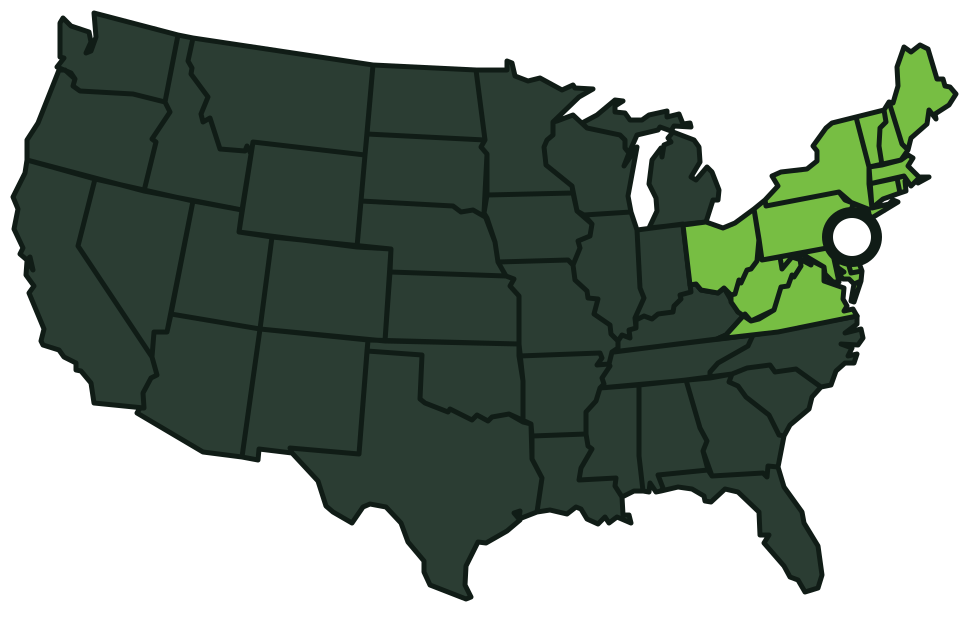
 Philadelphia, PA
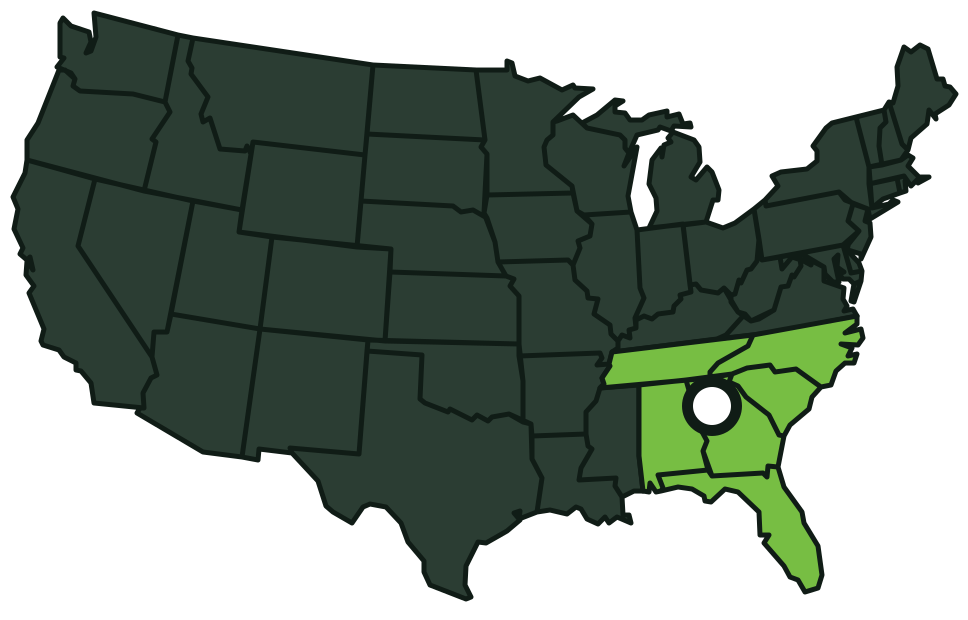 Atlanta, GA
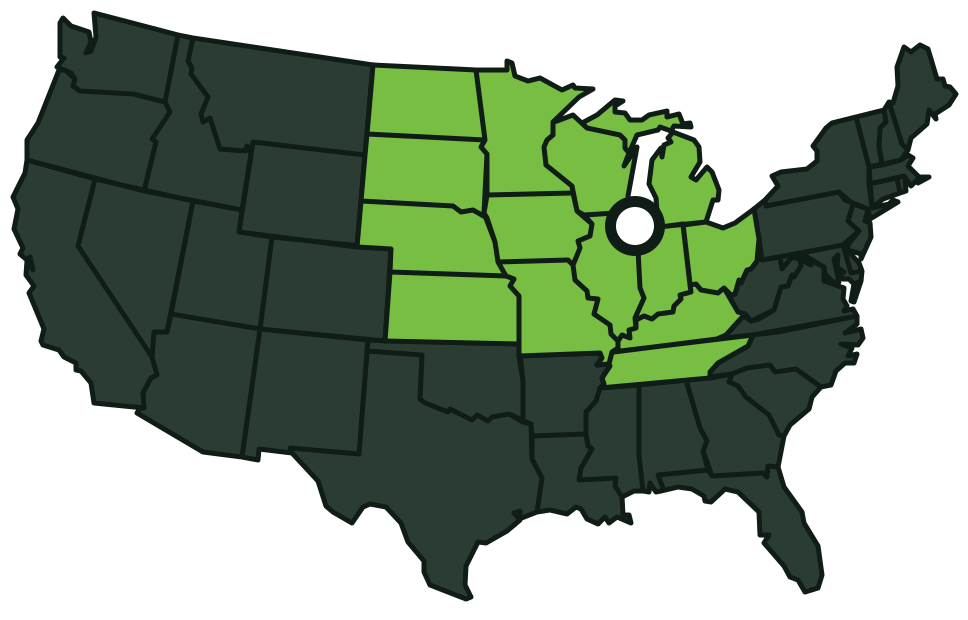 Chicago, IL
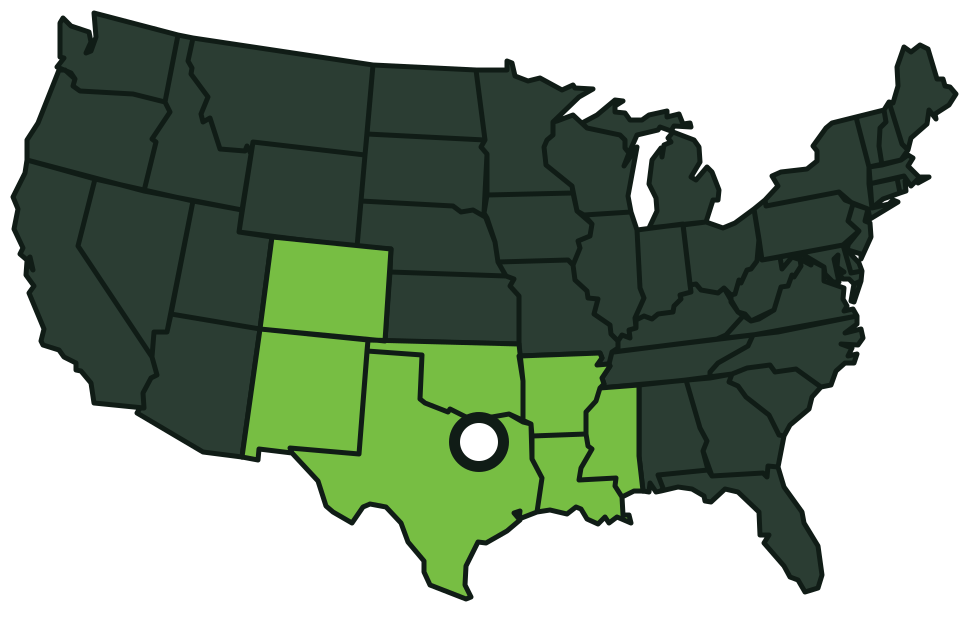 Dallas, TX
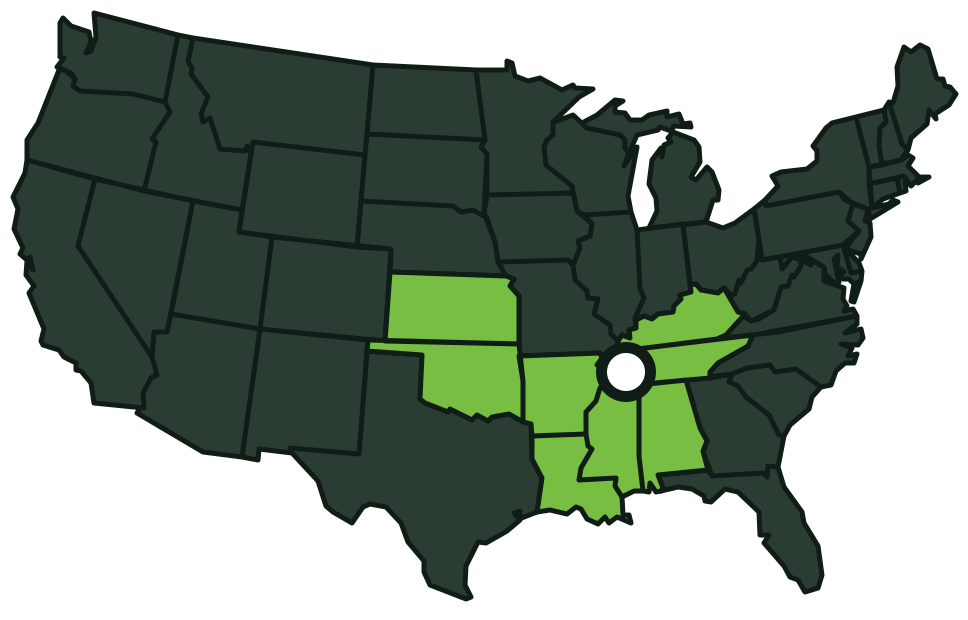 Jackson, TN
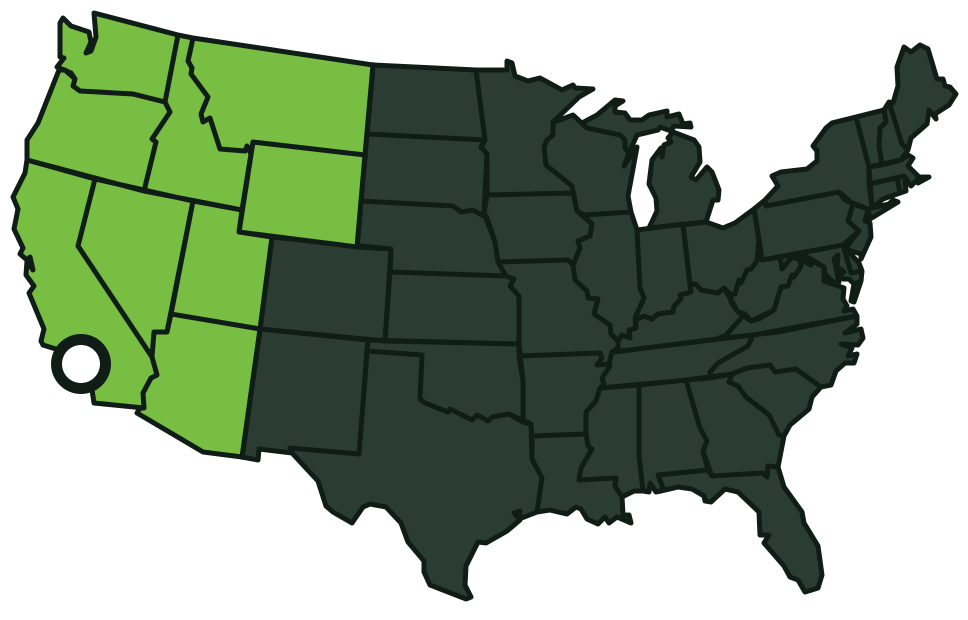 Los Angeles, CA
Fluid-Applied Roof Coatings
A roof that leaks in three places does not always need replacing. A fluid-applied system restores it in place, from above, without a tear-off and without the plant stopping.
The roof conversation most plants are having
- It leaks in a few known places, and the patching has become an annual maintenance line.
- A replacement quote came back at a number that has to go to capital, and capital is two budget cycles away.
- A tear-off means open roof above production, weather exposure and a shutdown nobody can schedule.
- The roof is only part-way through its life and the substrate is sound, but the surface has failed.
- The building runs hot in summer and the HVAC load shows it.
What it involves
inside a live plant.
Restoration instead of replacement
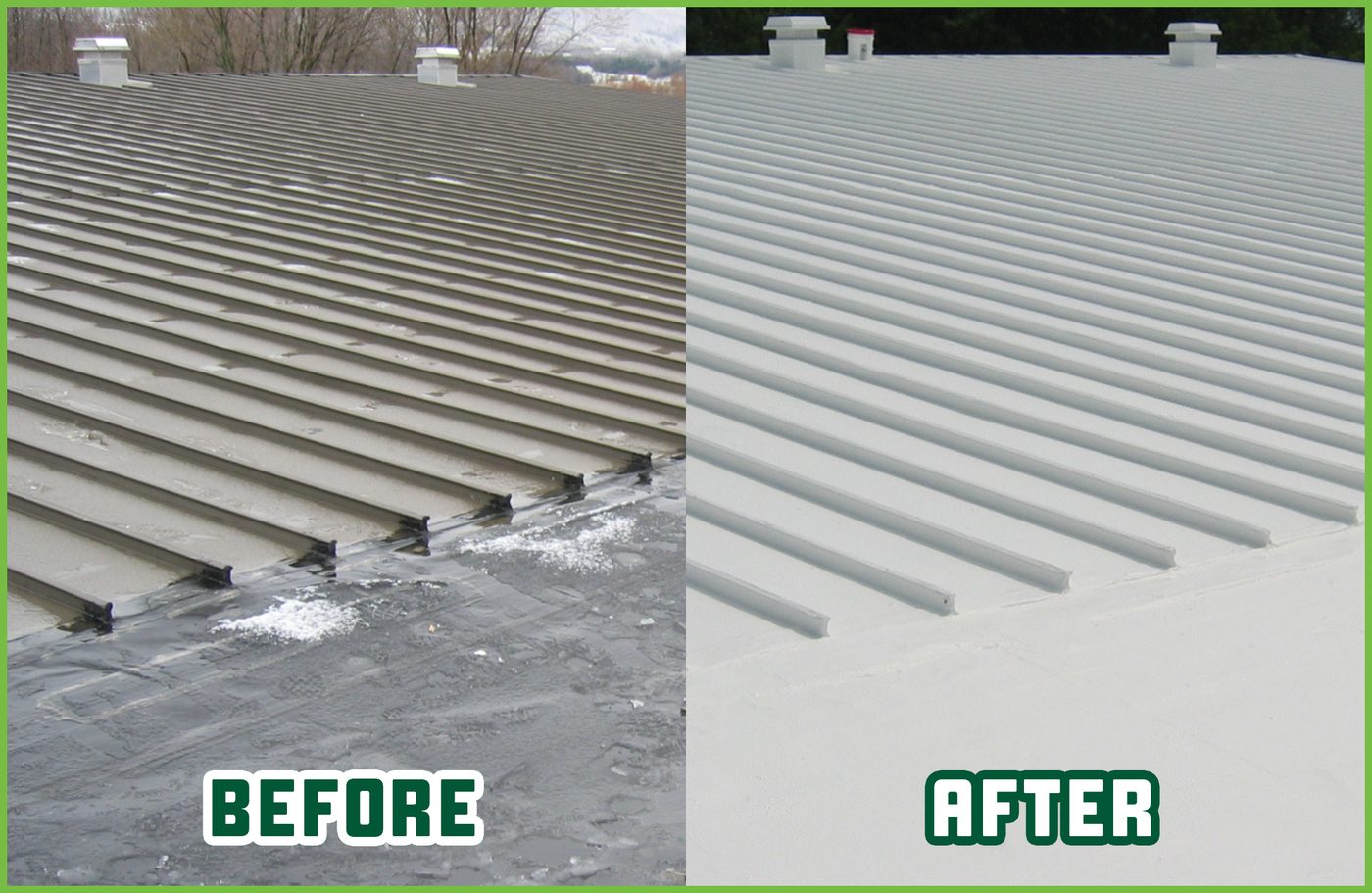
A fluid-applied roof coating is a liquid membrane rolled or sprayed over an existing roof, which cures into a seamless, waterproof surface bonded to what is already there. It restores a roof that has surface failure but a sound structure, and it does it without removing anything.
The case for it is straightforward in an operating plant.
No tear-off. Nothing is removed, so the deck is never open. There is no day where a rainstorm reaches the production floor.
No shutdown. The work is entirely above the building. Production runs underneath it.
Cost and budget. Restoration typically costs a fraction of replacement, and it is frequently treated as maintenance rather than capital, which is a materially different conversation with finance.
Life extension on a real timeline. Systems commonly deliver ten to twenty years depending on the substrate, environment and coating, and can be recoated at the end of that rather than replaced.
Reflectivity. Acrylic and silicone systems lower roof surface temperature, which reduces cooling load and the thermal cycling that degrades the roof in the first place.
When it is the wrong answer
Coating a roof that should be replaced wastes the money and delays the decision. Kelly’s survey is designed to catch this, and the finding is delivered plainly.
The conditions that rule out coating: significant trapped moisture in the insulation or deck, structural deterioration, extensive membrane failure rather than surface wear, or a roof at the very end of its service life with no sound substrate to bond to. Where moisture is suspected, it is identified before a specification is written, because a coating seals moisture in.
If the answer is replacement, that is what the survey will say.
What the work involves
Roof evaluation. A full assessment of substrate type and condition, slope and drainage, age, moisture presence, chemical and exhaust exposure, penetrations, seams, flashings and existing repairs. This produces either a specification or a recommendation not to coat.
Preparation. The part that decides whether the system lasts. Pressure washing to remove dirt, biological growth and chalking. Rust removal and treatment on metal roofs. Degreasing where exhaust has deposited oil. Seam treatment and reinforcement. Fastener encapsulation. Repair of penetrations, flashings and existing failures. Primer where the substrate and system require it.
Protection below. Areas beneath the work are identified and protected where fastener work, seam work or debris could affect them. Exhaust intakes are coordinated so that nothing is drawn into the building.
Application. The specified system applied at the specified thickness, in the manufacturer’s cure conditions, in the required number of coats. Mil thickness is verified as the work proceeds. Weather windows are respected rather than worked through, because a coating rained on before it cures is a coating that has to come off.
Inspection and warranty. Final inspection with the plant and, where a manufacturer warranty is being issued, with the manufacturer’s representative. Documentation covers the specification, the products, the thickness records and the inspection.
The systems and where each belongs
Silicone. Outstanding weathering and ponding-water resistance, highly reflective, and the usual choice where drainage is imperfect and water sits. Holds up in UV without embrittlement.
Acrylic. Water-based, low VOC, highly reflective and cost-effective. Strong on sloped roofs with good drainage in moderate climates. Less suited to standing water.
Polyurethane. Tough and impact-resistant, used where foot traffic, hail or mechanical abuse is a factor, often as a topcoat in a hybrid system.
Elastomeric. Flexible, thick-film and accommodating of thermal movement, well suited to metal roofs that expand and contract through the day.
Rust-inhibitive primers. Not a system on their own but a required first step on metal roofs where corrosion has begun.
Substrates
Metal, single-ply, EPDM, modified bitumen and low-slope built-up roofs are all candidates. Metal roofs are the most common industrial application, where the failure mode is usually corrosion at fasteners and seams rather than membrane failure, and where a coating plus fastener encapsulation addresses the actual problem directly.
A note on warranty terms
Warranty is the question that usually decides a roof coating, and it deserves a straight answer. Terms are set by the coating manufacturer, not the applicator, and depend on the system specified, the thickness applied, the condition of the roof beneath and the manufacturer’s own inspection at completion. Longer terms require thicker systems and better substrates.
Kelly will tell you at survey which warranty terms the roof can realistically support before a specification is written, rather than quoting a headline number that the roof will not qualify for.
Industries
Manufacturing and warehousing. Large metal and low-slope roofs where replacement cost is enormous and shutdown is impossible.
Food and beverage. Roofs over production, where a tear-off is not an option and where leak prevention is a food safety issue rather than a maintenance one.
Corrugated and paper. Large footprints and process exhaust that degrades roof surfaces faster than weather alone.
Cold storage. Where roof thermal performance is directly a cost of operation.
Performed to the standards
your plant is held to.
Fluid-applied systems carry manufacturer warranties, with terms depending on the system, the substrate condition and the specified thickness. Kelly specifies to the warranty the plant wants and the roof can support, and the warranty is issued by the coating manufacturer on their inspection, not by the applicator.
Walking and working surfaces and fall protection. Roof work is fall work. Perimeter protection, skylight and hatch protection, and personal fall arrest are in place before anyone steps onto the deck.
Coating selection accounts for VOC limits and the facility's air permit. Water-based acrylic systems are specified where regulation or plant conditions require low VOC.
Adhesion testing, moisture survey, mil thickness verification and cure conditions follow the system manufacturer's published specification. A coating applied outside its specification is not a warranted coating.
What you get that
a general contractor cannot give you.
Applied from above, with the plant running
A coating system goes on over the existing roof. No tear-off, no open deck, no exposure of the production floor to weather, and no shutdown. For a plant that cannot stop, that is the entire argument.
The survey decides whether to coat at all
A coating over a wet or failed substrate is money spent on a roof that is still failing underneath. Kelly evaluates substrate, slope, age, moisture presence and chemical exposure first, and will tell you plainly when the honest answer is replacement rather than restoration.
Preparation is most of the work
Pressure washing, rust removal, degreasing, seam treatment and fastener encapsulation happen before any coating is applied. The failures we are called to fix on other people's coating work are almost always preparation failures.
Same crews who work inside your plant
Kelly already knows the building, the access, the sensitive areas below and the people. Full-time Kelly employees, no subcontracted roofing crews.
Roof Coatings from
six service centers.
Every Kelly service is staffed from all six centers, so the crew that comes to your plant is the one based nearest to it. Coverage is all 48 contiguous states.
See the full territory map and the states each center covers on the service areas pages.
Asked before the quote.
How long does a roof coating last?
Can any roof be coated?
Does the plant have to shut down?
Will it lower our energy costs?
What about the leaks we already have?
Tell us about the facility.
We'll tell you straight.
A specialist reviews every request, not a call center. If it is not Kelly work, we will say so and point you in the right direction.