
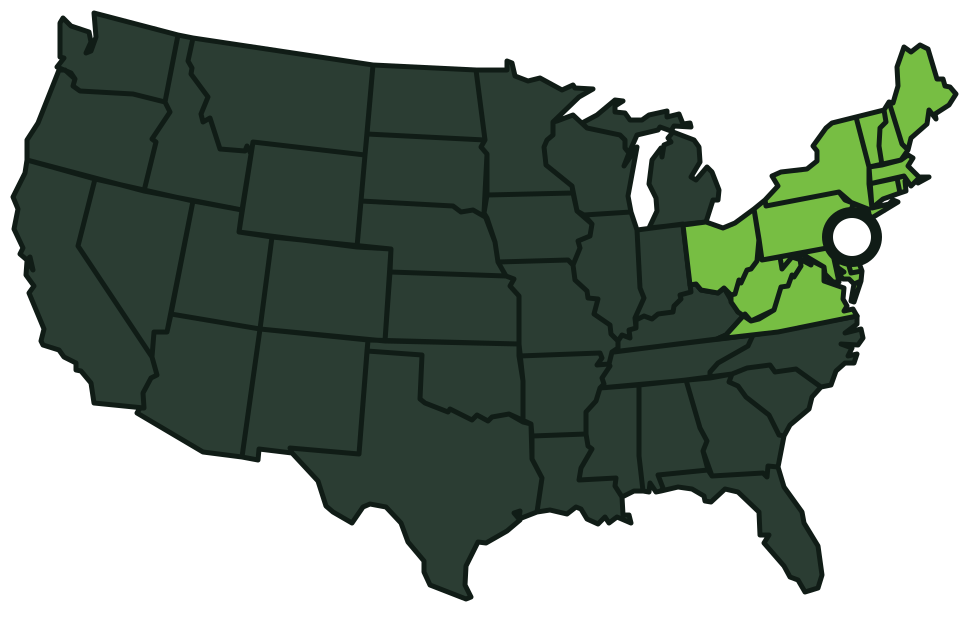
 Philadelphia, PA
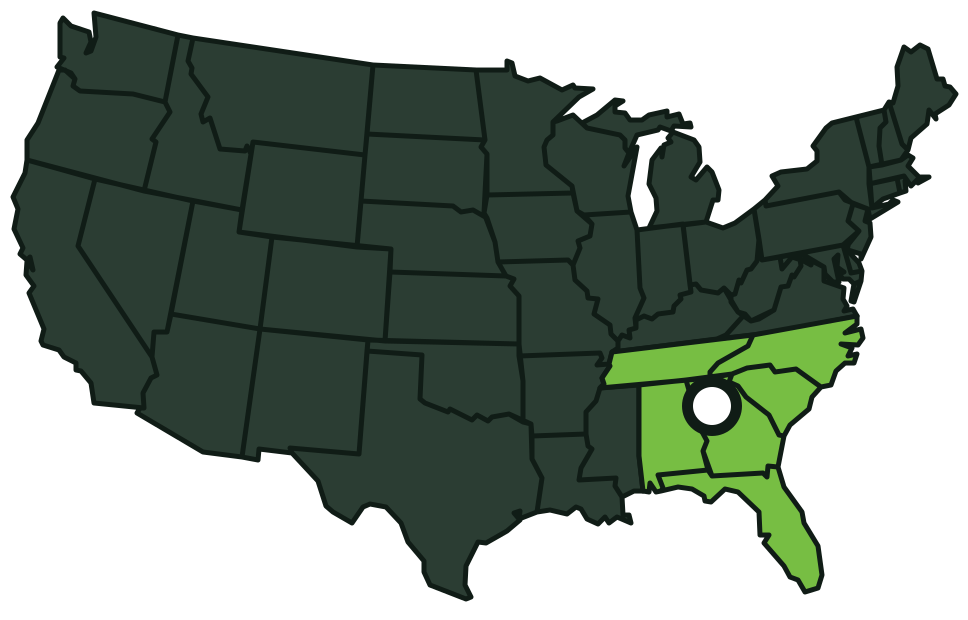 Atlanta, GA
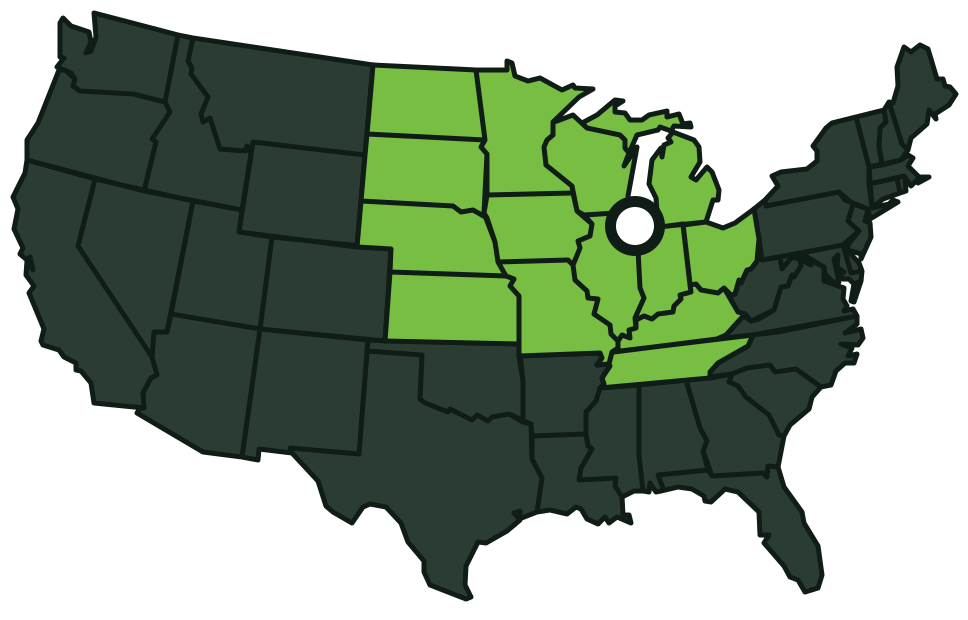 Chicago, IL
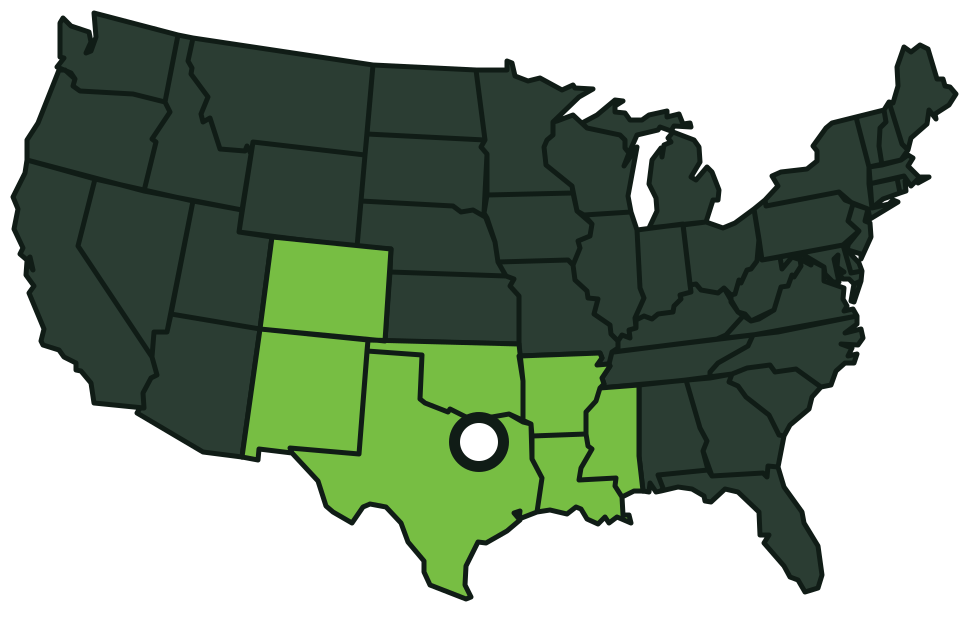 Dallas, TX
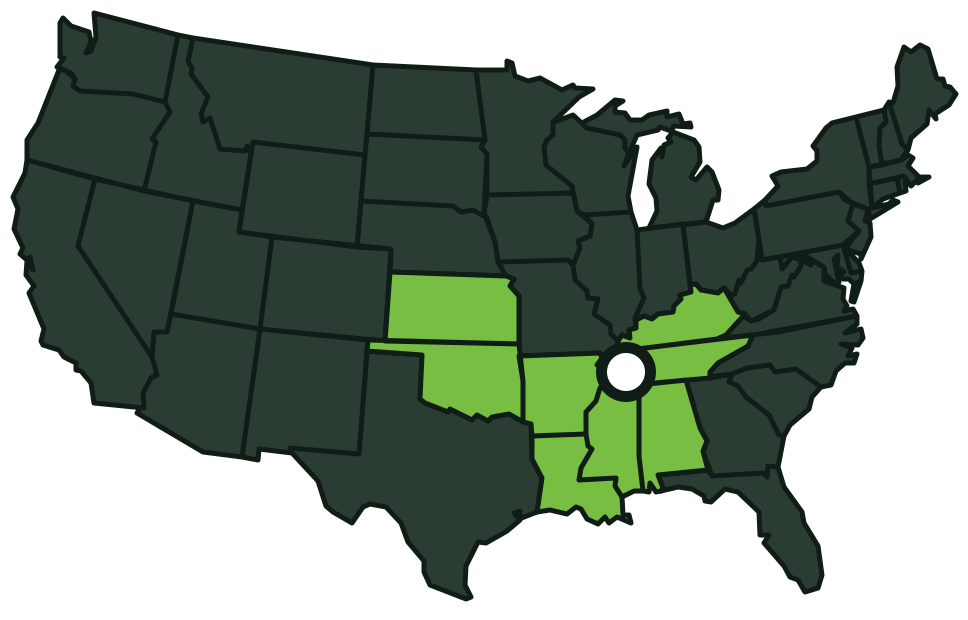 Jackson, TN
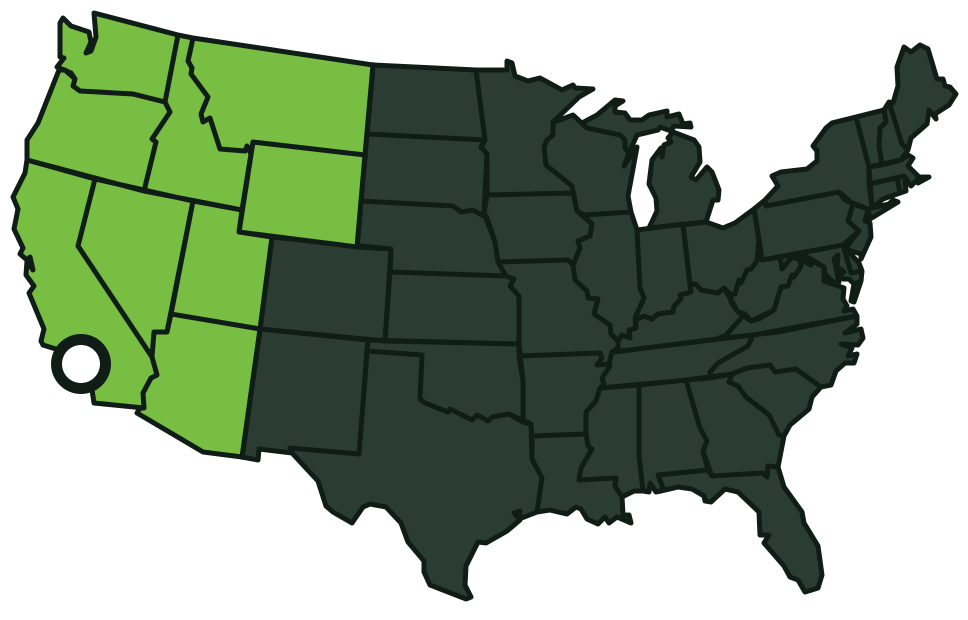 Los Angeles, CA
Industrial Pit Cleaning
The part of the plant nobody has opened in years. Sludge, oil and solids extracted under permit, with the space tested, attended and documented from entry to handback.
Why pits get left
- It is a permit-required confined space and the plant does not have the entry program, the equipment or the rescue provision to go in.
- Nobody knows what is in it, which means nobody knows how to dispose of what comes out.
- The pit is under a running line and the only access is through a hatch the size of a manhole.
- It is full enough that the conveyor, the sump pump or the washdown drainage has stopped working properly.
- An audit or inspection has found it, and now it is a documented finding with a date on it.
What it involves
inside a live plant.
What collects below floor level
Pits are where a plant’s drainage, spillage and fallout end up by design. They work until they are full, and then they stop working: the sump pump cavitates, the conveyor pit fouls the return, the washdown backs up onto the floor, the interceptor stops intercepting.
What comes out of them is rarely one thing. Sludge, settled solids, oil and grease, product residue, process water, wash water, scale and whatever has been dropped in over the years. In a food plant it is organic and it smells. In a metal shop it is fines and coolant. In a corrugated plant it is fiber and starch that has set like concrete.
The spaces themselves:
- Conveyor and equipment pits
- Sumps, lift stations and wet wells
- Trenches and floor drainage channels
- Washdown and sanitation pits
- Grease interceptors and traps
- Secondary containment areas
- Below-grade vaults and utility pits
- Tank and vessel bottoms
Why this is a confined space job first and a cleaning job second
Almost every pit meets OSHA’s definition of a permit-required confined space: limited means of entry and exit, not designed for continuous occupancy, and containing a recognized serious hazard. The hazards are real and they have killed people who thought a shallow pit was harmless.
Atmosphere. Decomposing organic material produces hydrogen sulfide and consumes oxygen. Solvent and fuel residues produce flammable vapors. Inerting gases and process leaks displace air. None of this is visible from the hatch.
Engulfment. Sludge that looks solid is often not. Material can shift or liquefy under a person’s weight.
Mechanical. Conveyors, augers, agitators and pumps above and inside the space will operate if they are not isolated.
Access and rescue. A person incapacitated inside a pit with a small hatch cannot be retrieved by someone reaching in. The rescue provision has to exist before the entry, not be improvised during it.
This is why the entry program matters more than the cleaning technique, and it is the specific reason pits get postponed year after year in plants that are otherwise well maintained.
What the work involves
Survey. Access points and dimensions, what is expected to be inside, what equipment operates in or above the space, what the plant’s own permit program requires, and where the material will go afterwards.
Isolation. Conveyors, pumps, agitators and feed systems locked out and tagged out to the plant’s procedure. Lines blanked or disconnected where required.
Permit and testing. The plant’s confined space permit issued, the atmosphere tested for oxygen, flammability and toxics before entry and monitored continuously during it. An attendant posted with communication and the means to initiate rescue. Ventilation established.
Vacuum extraction. High-powered vacuum equipment removes sludge, solids and liquids from above wherever possible. On many pits this takes out the great majority of the contents with nobody entering at all.
Entry cleaning. For residual material, compacted deposits and surfaces, technicians enter under the permit with the protection the atmosphere calls for. Manual scraping, industrial detergents and degreasers, and rinsing where the space allows it.
Recovery and disposal. Material is contained, characterized and routed to the correct disposal, hazardous or non-hazardous, coordinated by Kelly with the plant’s environmental contact.
Inspection and handback. The clean space is inspected with the plant contact, often revealing condition issues that were invisible under the sludge: corroded steel, failed coatings, cracked concrete, damaged pumps. That is worth knowing and it goes in the report. Permits closed, lockout released by the plant.
Documentation. Entry permits, atmospheric logs, safety documentation, disposal records and photographs before and after.
What the inspection finds
A pit that has just been emptied for the first time in years is the only chance to see its actual condition. Kelly documents what is exposed, because it is routinely the most valuable part of the visit: structural corrosion, coating failure, cracked or spalled concrete, leaking penetrations, pump and float condition, and drainage falls that no longer fall the right way.
None of that is repair work Kelly performs, but knowing about it before it fails is worth more than the cleaning.
On a cycle
Most pits refill at a predictable rate, which makes them well suited to a scheduled program rather than a crisis call. Kelly measures what comes out on the first visit, proposes an interval from that, and returns on it, which turns a permit-required confined space entry from an event into a routine.
Performed to the standards
your plant is held to.
Permit-required confined spaces. Most pits qualify: limited entry and exit, not designed for continuous occupancy, and containing a recognized hazard. Entry requires a permit, atmospheric testing before and during, an attendant, communication and a rescue plan that does not rely on calling 911.
Lockout and tagout. Conveyors, agitators, pumps and anything else that can move inside or above the space is isolated before entry, to the plant's own energy control procedure.
Respiratory protection, selected for the atmosphere the testing actually finds rather than what the space is assumed to contain.
What comes out of a pit has to be characterized before it can be disposed of. Kelly coordinates removal and proper disposal of hazardous and non-hazardous material, and provides the records.
What you get that
a general contractor cannot give you.
Certified for permit-required entry
Kelly technicians are trained and certified for permit-required confined space entry, including atmospheric testing, fall protection and rescue. This is the capability that decides whether a pit gets cleaned or gets left for another year.
Vacuum first, hands second
High-powered vacuum trucks and mobile units remove sludge, solids and liquids without anyone going in. Entry happens only for what the vacuum cannot reach, which keeps exposure to the minimum the job actually requires.
The disposal question answered up front
Before the first hatch comes off, the plan covers what is expected to be in the pit, how it will be characterized, and where it is going. A contractor who pumps a pit and then asks what to do with the contents has created a second problem.
Documented from entry to handback
Entry permits, atmospheric logs, safety documentation, disposal records and photographs. If the cleaning exists to close a finding, the paperwork is the part that closes it.
Pit Cleaning from
six service centers.
Every Kelly service is staffed from all six centers, so the crew that comes to your plant is the one based nearest to it. Coverage is all 48 contiguous states.
See the full territory map and the states each center covers on the service areas pages.
Asked before the quote.
What kinds of pits do you clean?
Do your people actually enter the space?
What if we do not know what is in it?
Can the line keep running?
How long does a pit take?
Tell us about the facility.
We'll tell you straight.
A specialist reviews every request, not a call center. If it is not Kelly work, we will say so and point you in the right direction.