
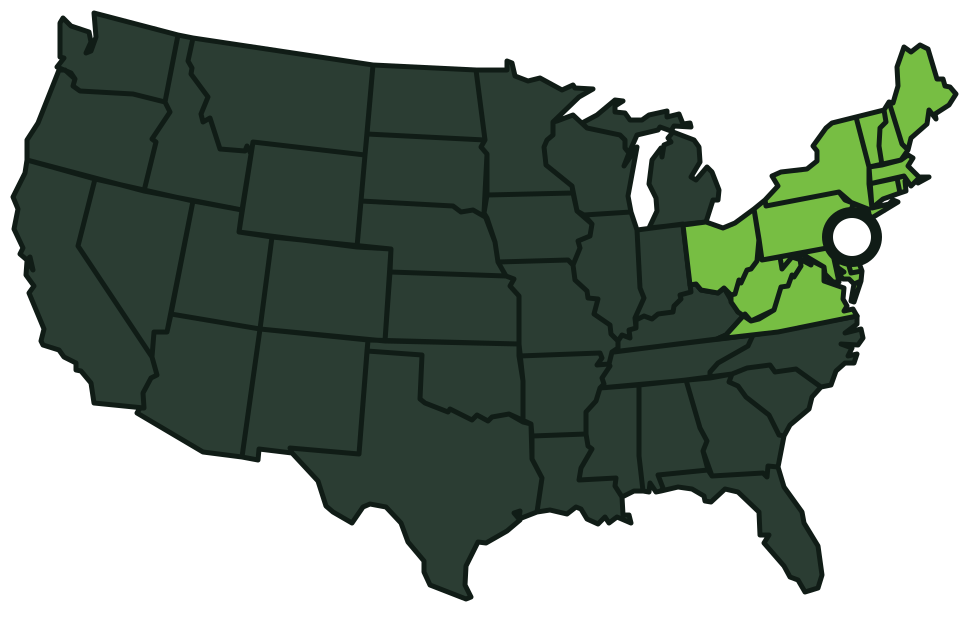
 Philadelphia, PA
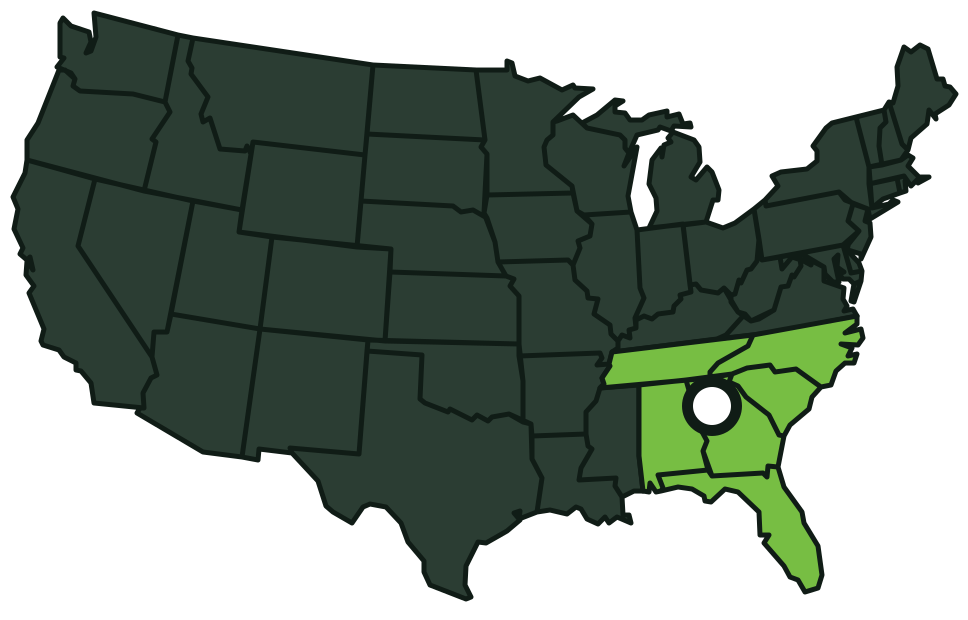 Atlanta, GA
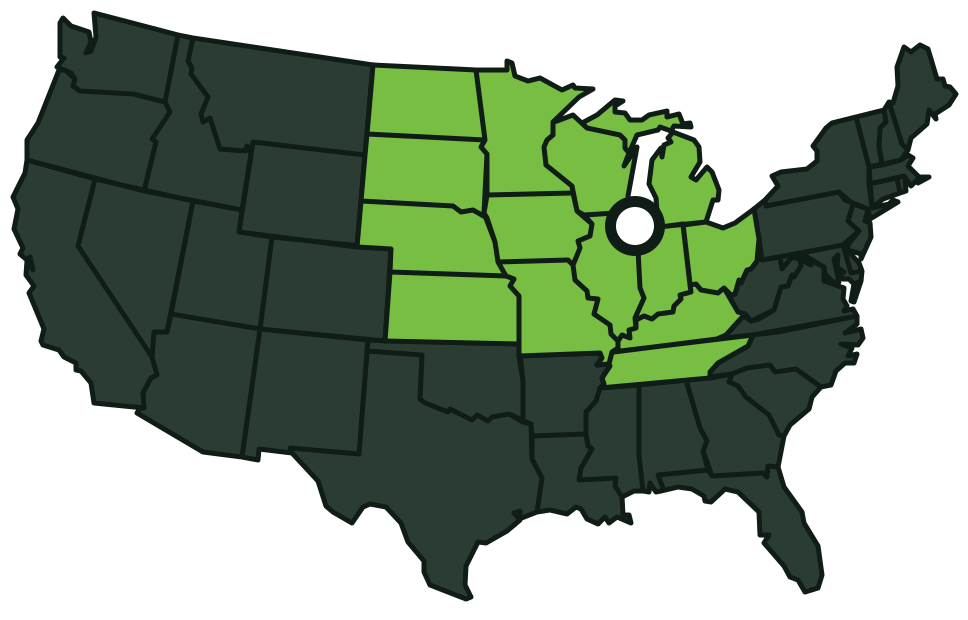 Chicago, IL
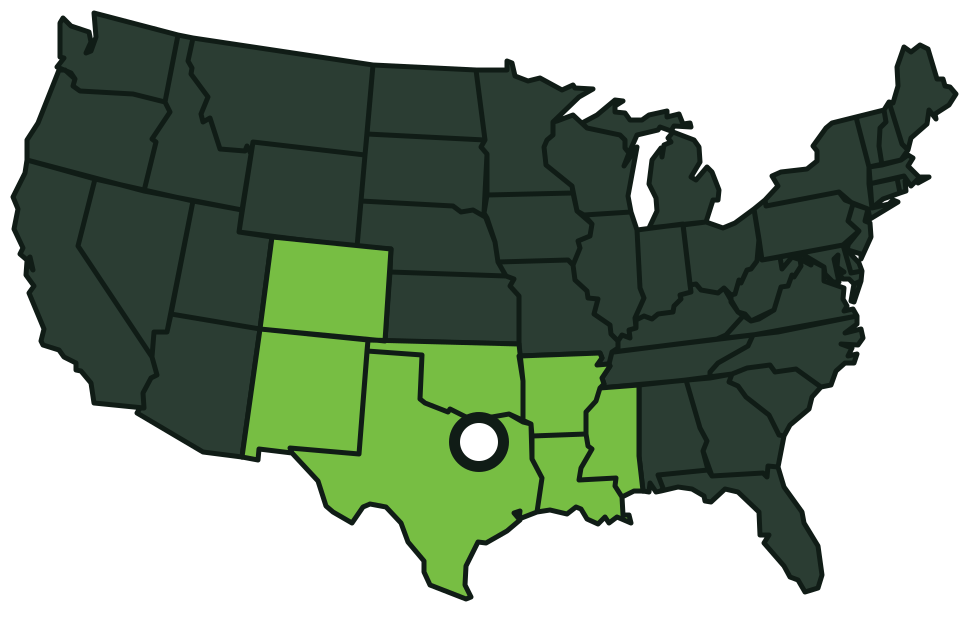 Dallas, TX
 Jackson, TN
 Los Angeles, CA
Industrial Facility Painting and Coatings
Coatings that protect steel, brighten ceilings, mark hazards and survive the plant, applied by crews who paint facilities that never shut down.
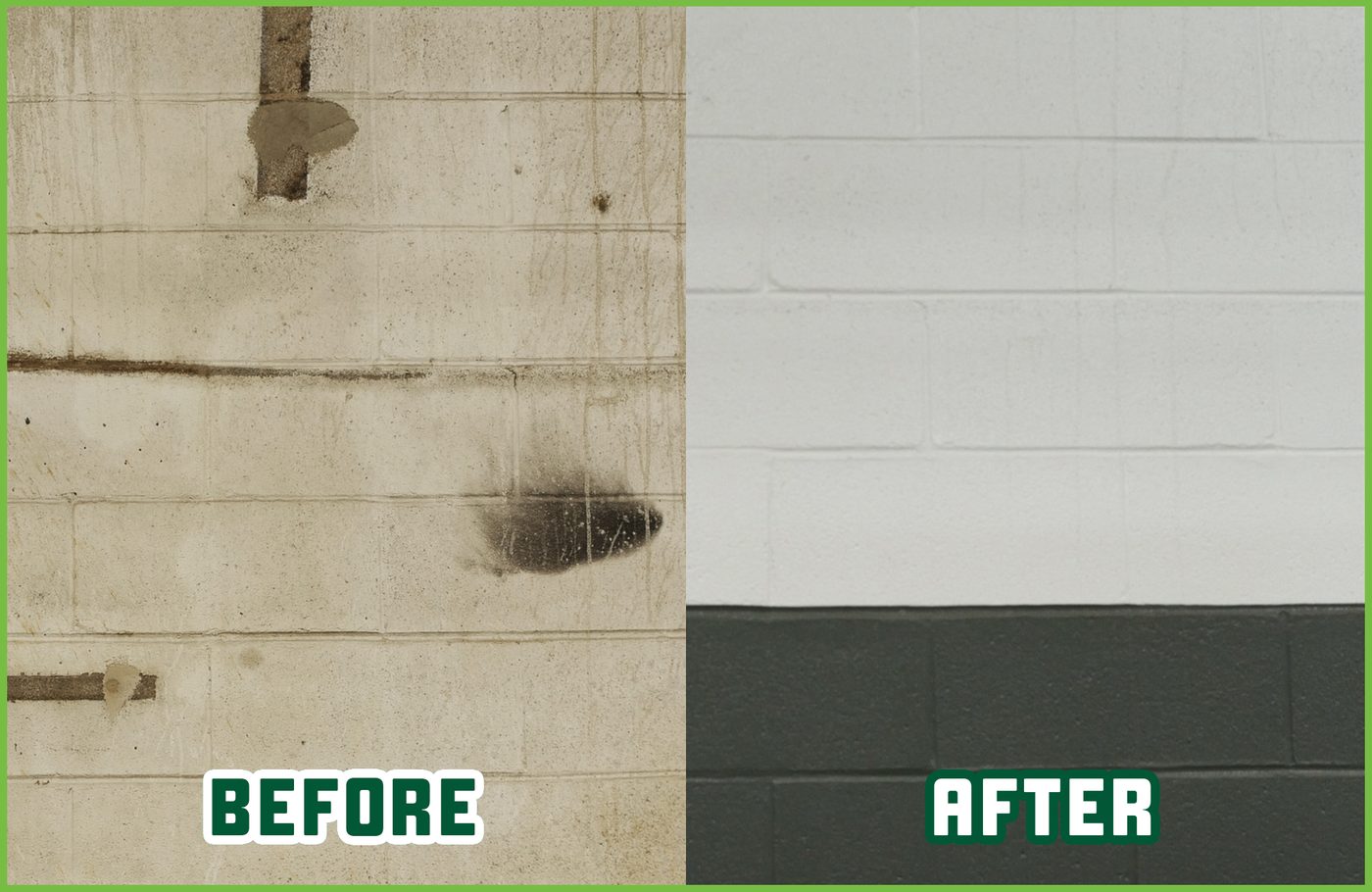
Why a plant calls a painting contractor
- The ceiling is dark, peeling and shedding, and a food safety audit or customer visit is coming.
- Structural steel is rusting where moisture, chemicals or washdown reach it, and the corrosion is getting into the load path.
- Equipment, tanks, boilers or silos need a protective coating and the process cannot be down for long.
- Floor markings, hazard zones and pipe labeling have faded to the point where they no longer tell anyone anything.
- A general painter quoted the job and then explained that they cannot work while the line is running.
What it involves
inside a live plant.
What industrial painting is for
In a plant, paint is not decoration. It does four jobs, and the right coating system is chosen by which of them matters most on the surface in question.
Protection. Structural steel, tanks, equipment and process piping corrode where moisture, chemicals, washdown and temperature cycling reach them. A coating system is the barrier between the environment and the metal. Once corrosion is into the section, the cost stops being a painting cost.
Cleanliness. Ceilings, walls and overhead structure in food, beverage and pharmaceutical plants have to be sound, smooth and cleanable. A ceiling that is peeling and shedding is an audit finding and a contamination source. A coated ceiling is a surface that can be washed.
Light. A dark, dirty ceiling absorbs light. A clean, bright one returns it to the floor. In older plants, ceiling painting alone measurably improves light levels on the line.
Communication. Floor markings, hazard zones, pipe labels, safety color coding and traffic lanes tell people where to walk, what not to touch and what is inside the pipe. When they fade, they stop working.
What the work involves inside a live plant
Survey and specification. A Kelly specialist walks the areas with the plant contact, identifies the substrates and their condition, notes the environment each one lives in, and confirms the production calendar. From that, the coating system is specified: the preparation standard, the primer, the finish and the number of coats, chosen for chemical exposure, temperature, washdown, abrasion, UV and proximity to product.
Protection and containment. Equipment, product zones, open lines, controls and floors are masked and covered. In a running plant, the work is sectioned so that each area is protected, prepared, coated and returned before the next is opened.
Surface preparation. This is where coating life is decided. Depending on the substrate and the system, preparation ranges from solvent cleaning and degreasing, through power tool cleaning and mechanical removal of loose material and corrosion, to abrasive blasting where the surface and the plant allow. Ceilings and overhead structure are cleaned before they are painted; a coating over dust is a coating that fails. Preparation is logged.
Application. Spray, roller or brush as the surface and the environment dictate. Overspray control and ventilation are planned for. Low-odor and low-VOC systems are used where product or people are nearby. Coats are applied to the manufacturer’s specified thickness and recoat windows.
Inspection and handback. Film thickness and coverage are checked, the area is inspected with the plant contact, protection is removed and the area is returned to production. Documentation includes safety data sheets for every product used, the surface preparation record and the inspection record.
What gets painted
Ceilings and overhead structure. Roof decking, purlins, trusses, joists and the steel above the line. Kelly began as a ceiling painting company in 1985 and it remains a core part of the work.
Walls. Concrete, block, drywall and metal panel, prepared and coated for the environment, including washdown areas and food zones.
Structural steel. Columns, beams, girts and bracing, where corrosion protection is the point.
Equipment and machinery. Frames, housings, guards and enclosures, coated for protection and for visibility.
Tanks, vessels and boilers. Exterior coatings for corrosion protection and heat, with confined space procedures where the work is inside.
Silos. Exterior silo painting for corrosion protection and appearance, at height, with the access and fall protection the structure requires.
Floors and mezzanines. Epoxy, urethane and polyaspartic floor systems for traffic, chemical exposure and cleanability.
Safety markings. Floor lines, hazard zones, pipe labeling and color coding laid out to OSHA and ANSI standards.
Coating systems and where each belongs
Epoxy. Hard, chemically resistant and adhesion-strong. The standard for floors, walls in washdown areas, tanks and equipment where chemical exposure is the issue. Food-grade epoxies are used near product. Limited UV resistance, so not the finish for exterior sun exposure.
Urethane. Tough, abrasion-resistant and UV-stable. Common as a finish coat over an epoxy primer on equipment, structural steel and exterior surfaces, and on floors where abrasion is the main wear.
Polyaspartic. Fast-curing, UV-stable and durable, used on floors and surfaces where the return-to-service window is short.
Elastomeric. Flexible, weatherproof and thick-film, used on exterior walls, roofs and surfaces that move with temperature.
The specification is the environment’s, not the catalog’s. Kelly selects to the exposure and the plant’s requirements, and will tell you when a cheaper system is the right one.
Industries
Food and beverage. Ceilings, walls and equipment in plants under FDA, USDA, SQF and BRC audit, with food-grade systems and sanitation-program sequencing.
Paper, packaging and corrugated. Structural steel, ceilings and equipment in high-dust, high-moisture environments.
Manufacturing and automotive. Structural steel, floors, safety markings and equipment across large footprints.
Chemical and process. Corrosion protection on steel, tanks and piping in aggressive exposures.
Warehousing and distribution. Floor marking, racking, ceilings and walls across large, busy footprints.
Painting as maintenance, not as a project
A coating system has a life, and the cheapest point to renew it is before it fails. Most plants Kelly paints are on a schedule: an inspection interval, a recoat cycle for the surfaces that wear fastest, and a plan for the ones that last. Scheduled maintenance painting costs a fraction of the corrosion repair, the audit finding or the full recoat that follows neglect. Kelly builds the schedule from the first survey and returns to it.
Performed to the standards
your plant is held to.
Surface preparation, respiratory protection, ventilation, confined space entry for tanks and silos, and work at height on lifts and scaffolds. Every Kelly painter is trained to these and the documentation travels with the job.
Safety color coding for hazard identification, physical hazard marking, pipe labeling and floor marking. When Kelly paints safety markings they are laid out to the standard, not to what looks right.
Coating life is decided by surface preparation. Kelly preps to the standard the coating system specifies, from solvent cleaning and power tool cleaning through to abrasive blast where the substrate and the plant allow it.
In food and beverage facilities, coatings on ceilings, walls and equipment must be selected for the environment and applied to the plant's sanitation program. Food-grade epoxies and low-odor systems are used where product is nearby.
Coating selection accounts for VOC limits and the plant's air permit. Low-VOC and water-borne systems are specified where they meet the performance requirement.
What you get that
a general contractor cannot give you.
We paint plants that never shut down
Kelly's painting crews work inside operating facilities as a matter of course: evenings, weekends, scheduled shutdowns, and around live production with containment and sequencing. A general painting contractor's first question is when the building will be empty. Ours is what the window looks like.
Preparation is the job
Any coating fails if the surface underneath was not prepared. Kelly treats surface prep as the work and the coating as the finish. Contamination is removed, corrosion is addressed, the profile is set for the system, and it is logged before the first coat goes on.
The right system for the environment
Epoxy, urethane, polyaspartic and elastomeric systems each have a place. The choice depends on chemical exposure, temperature, washdown, abrasion, UV and whether product is nearby. Kelly specifies to the environment, not to what is on the truck.
Full-time Kelly painters, every job
No subcontracted crews. Every painter inside your plant is a trained Kelly employee with confined space, elevated platform and coatings application training, insured by us and accountable to us.
Facility Painting and Coatings from
six service centers.
Every Kelly service is staffed from all six centers, so the crew that comes to your plant is the one based nearest to it. Coverage is all 48 contiguous states.
See the full territory map and the states each center covers on the service areas pages.
Asked before the quote.
Can you paint while the plant is running?
What surfaces do you coat?
How long does an industrial coating last?
Do you do ceiling painting in food plants?
Do you also do roof coatings?
Tell us about the facility.
We'll tell you straight.
A specialist reviews every request, not a call center. If it is not Kelly work, we will say so and point you in the right direction.