
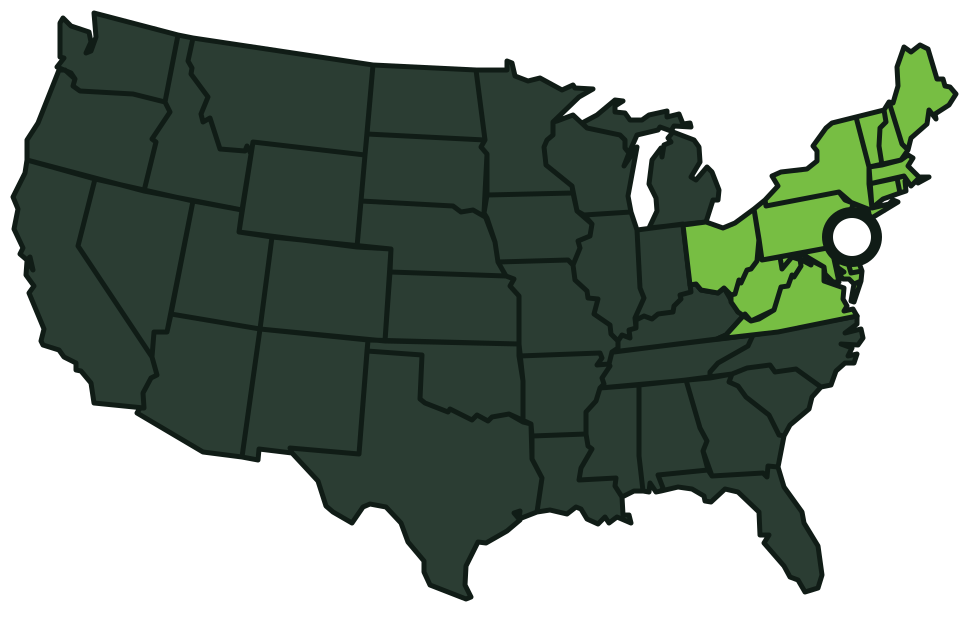
 Philadelphia, PA
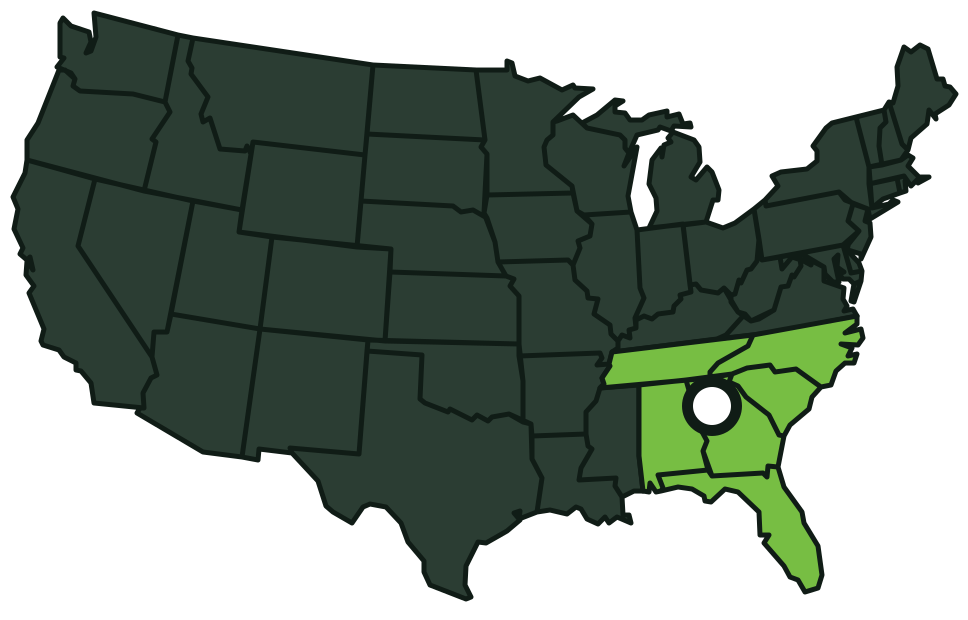 Atlanta, GA
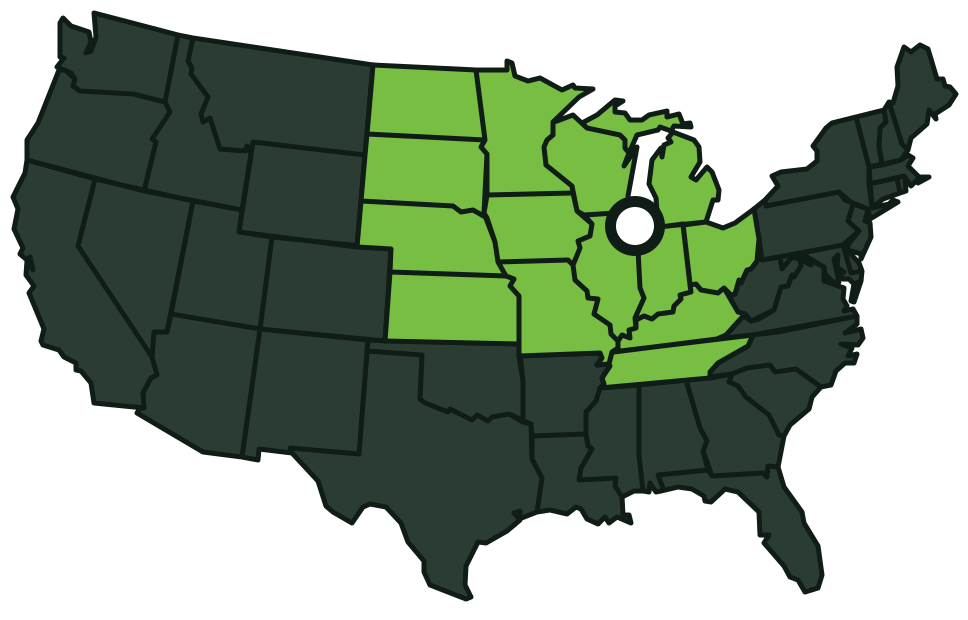 Chicago, IL
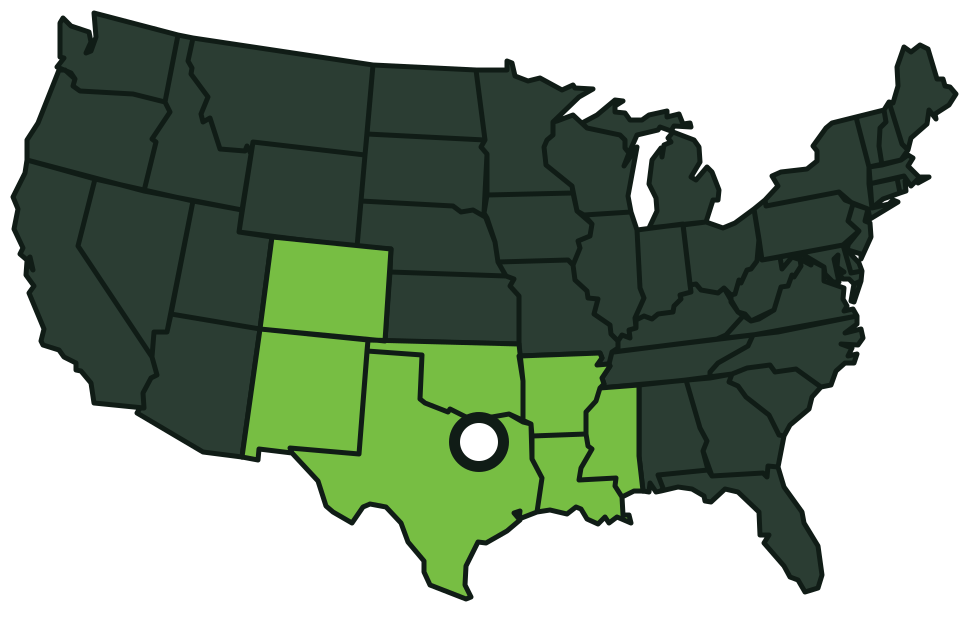 Dallas, TX
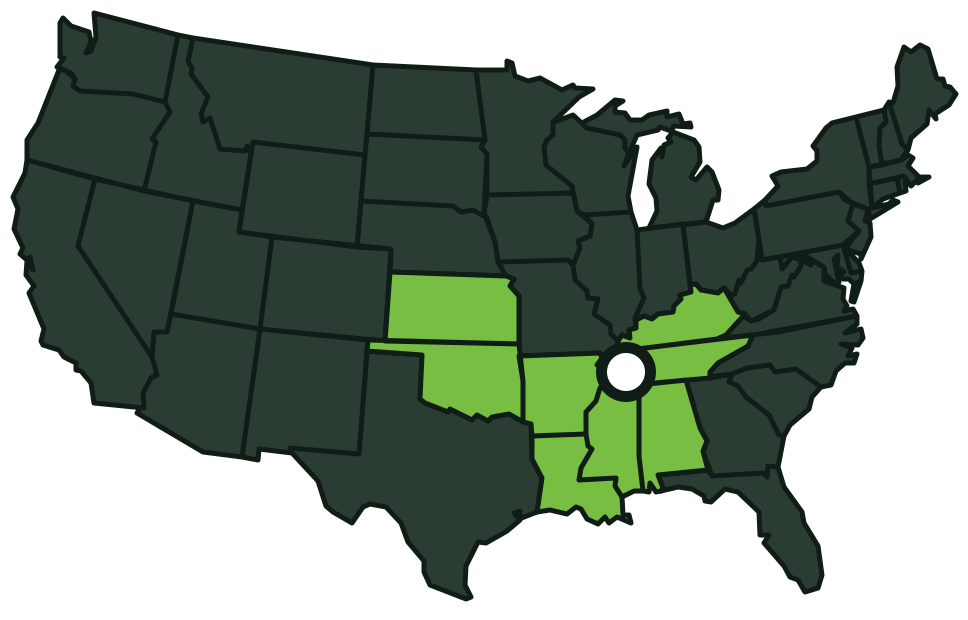 Jackson, TN
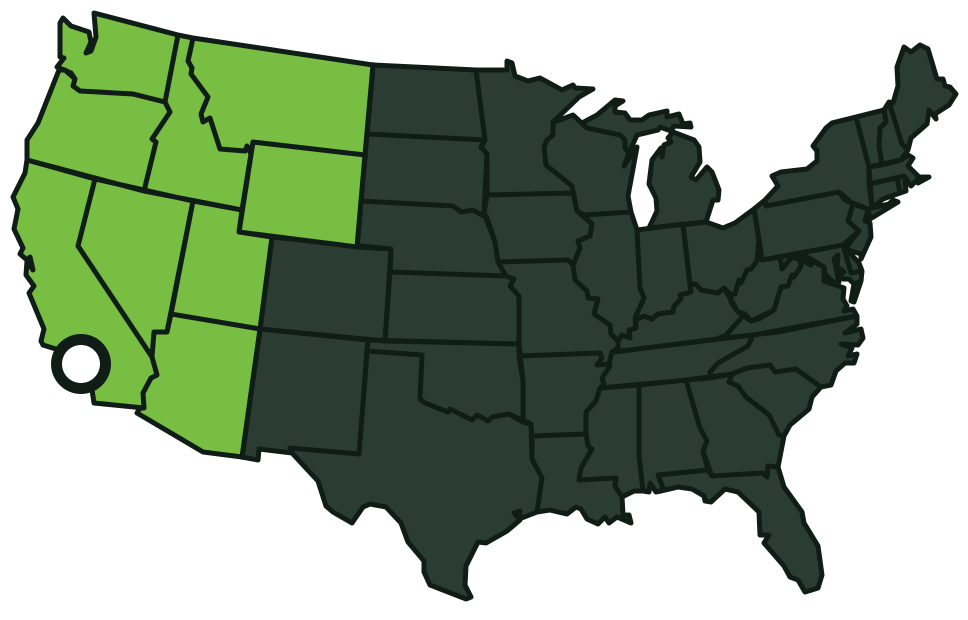 Los Angeles, CA
Manufacturing and Heavy Industry
Oil on the floor, weld smoke and fines on the steel, and structure that has not been coated since the building went up. The kind of work that gets deferred until something forces it.
What forces the call in a manufacturing plant.
- A major customer audit, an insurer walk or an OSHA visit is coming, and the plant would not present well.
- Slip incidents on oil and coolant have started appearing in the safety report often enough to be a trend rather than an event.
- Weld smoke, metal fines and process residue have loaded the overhead steel, lighting and ventilation across the building.
- Structural steel, handrails and equipment housings are visibly corroding and nothing has been coated in a decade or more.
- Coolant sumps, chip pits and floor trenches have filled and are no longer draining or clearing.
What the work looks like
in your building.
The industry where this work gets deferred longest
Manufacturing plants tend to be well maintained where the machines are and neglected everywhere else. Production equipment gets attention because it stops when it is ignored. Structural steel, overhead, floors, sumps and coatings do not stop, so they get pushed until something forces the issue: an incident, an inspection, an insurance walk, or a customer visit where the building itself became the problem.
That deferral is why the first visit to a plant like this usually finds several years of accumulation and a coating system a decade past its service life. It is also why the honest first conversation is about sequence rather than scope. Everything cannot happen in one shutdown week, and a plan that pretends otherwise gets cut on the day.
What actually needs attention
- Production floors, aisles and walkways carrying oil, coolant and hydraulic fluid
- Machine bases, guarding, housings and the areas underneath them
- Overhead steel, purlins, roof structure, lighting and cable trays
- Ventilation, extraction ducting and weld fume systems
- Coolant sumps, chip pits, floor trenches and containment
- Structural steel, columns, handrails, stairs and platforms
- Exterior walls, docks, canopies and the yard
- Dust collection equipment where the plant generates fines
Floors, slips and the number nobody puts on it
The most common reason a manufacturing plant calls is a floor. Oil, coolant and the film that builds from both turn concrete into a surface that fails the plant’s own safety audit and OSHA’s walking and working surfaces requirement, and the consequence is measured in incidents rather than citations.
The part worth being direct about is that this is an economics question, not a housekeeping one. A slip incident carries a claim, lost time, an investigation and frequently a rate change. Plants that track both numbers generally find that a scheduled degreasing interval costs less than the incidents it prevents, and that is a comparison the plant can make with its own data rather than one Kelly needs to assert.
Where the contamination is continuous because the process has not changed, the answer is an interval rather than a clean. Kelly measures how fast the floor reloads on the first visit and proposes a frequency from that.
Combustible metal dust, which is a different problem
Most combustible dust guidance assumes an organic material. Metal fines do not behave that way, and getting this wrong is dangerous rather than merely ineffective.
Aluminum, magnesium and titanium fines are energetic. Several combustible metals react with water to produce hydrogen, which means that wetting them down, the instinctive response to a dust hazard, can make it worse. Standard vacuum equipment is not appropriate. NFPA 660 absorbed the combustible metals standard for exactly this reason, and the practical consequence is that the material has to be identified before a method is chosen.
Kelly identifies it at the survey. If the plant does not know what its fines are, that is a reason to find out before cleaning, not a reason to proceed carefully and hope. Where the material is a combustible metal, the equipment, tooling and procedure are selected for it specifically.
Coatings, and the difference between paint and protection
A lot of manufacturing plants think of painting as appearance work, and defer it accordingly. On structural steel it is not appearance work. A coating system is the only thing between the steel and corrosion, and corrosion on a column, a platform or a crane runway is a structural matter with a long fuse.
Three things usually justify the spend on their own. Corrosion protection where steel is load bearing or where moisture and chemistry are aggressive. Legibility, because safety markings, aisle lines, hazard identification and equipment labeling stop working when the coating under them fails. And condition assessment, because a coating crew on a lift is frequently the first person to look closely at that steel in years, and what they find goes in the report.
Kelly performs preparation to the standard the specified system requires, which is where most coating failures actually originate, and returns the product data, thickness readings and inspection records.
Using a shutdown week properly
A shutdown week is expensive, short and shared with everyone else who needs access. Most plants under-use it because each scope is procured separately and the conflicts are discovered on site.
Because Kelly performs degreasing, pressure washing, overhead work, pit cleaning and coatings with its own employees, a plant can run several of those on one plan with one point of contact and one crew moving between them in a sequence that makes sense: dry work before wet, overhead before floors, cleaning before coating, and cure time protected rather than compressed. That is worth raising at the survey even when the call was only about the floor.
The standards this
plant type is held to.
Walking and working surfaces kept clean, orderly, dry where possible and free of hazards. Oil and coolant accumulation on a production floor is the single most commonly cited housekeeping condition in this industry, and it is also what most slip claims trace back to.
The consolidated combustible dust standard, effective December 2024, which absorbed NFPA 484 for combustible metals. Aluminum, magnesium, titanium and iron fines are combustible and several of them react with water, which means the cleaning method has to be chosen for the material rather than for convenience.
Permit-required confined spaces and lockout. Coolant sumps, chip pits, trenches and machine bases qualify, and anything with stored energy above or inside a space is isolated to the plant's own procedure before entry.
Wash water carrying oil, coolant or metals is industrial wastewater and cannot reach a storm drain. It is contained, collected, characterized and disposed of to the plant's discharge permit, with the records provided.
What Kelly does here,
and in what order.
Manufacturing scopes usually combine floor and equipment degreasing with overhead work and, increasingly, coatings, because the same shutdown week is the only window any of it can happen in. Dry work comes before wet, and coatings come last.
- 01 Oil and Grease Removal Usually first and usually the reason for the call. Floors, machine bases, equipment exteriors and structure carrying oil, coolant and hydraulic fluid.
- 02 Industrial Pressure Washing Following degreasing, on floors, structure, docks and exteriors, with wash water contained and the disposal documented rather than assumed.
- 03 Ceiling, Overhead and High Dusting Overhead steel, lighting, ventilation, cable trays and roof structure carrying weld smoke, fines and process residue.
- 04 Industrial Pit Cleaning Coolant sumps, chip pits, floor trenches and containment areas, under permit, with the contents characterized before disposal.
- 05 Industrial Facility Painting and Coatings Structural steel, equipment housings, handrails, guarding and walls. Corrosion protection where it is structural, and legibility where it is a safety marking.
- 06 Combustible Dust Cleaning Where the plant generates metal fines, wood dust or other combustible material, with a method chosen for what the material actually does, including materials that react with water.
- 07 Baghouse and Dust Collector Service Weld fume, grinding and finishing dust collectors cleaned out, inspected and re-bagged, with worn units removed and replacements set and reconnected to the duct.
The windows a manufacturing plant actually has.
Manufacturing has more usable downtime than process industries and uses less of it than it should. The scopes that get done are the ones booked against a window that already exists on the calendar.
- Shutdown weeks
- Summer and holiday shutdowns are where the large scopes belong: plant-wide overhead, structural coatings, pits and full floor degreasing. These weeks book out months ahead across an entire region at once.
- Weekend and off-shift
- Enough for a production area, a set of machines, a section of overhead or a sump, with the area dried, inspected and released before the next shift. Most recurring programs run here.
- During production
- Exterior work, yard, dock, roof and any area that can be isolated from the running plant. Frequently the easiest scope to schedule and the one that changes how the building presents.
- Ahead of an inspection or audit
- Scheduled backwards from the date, with the report structured against whatever was raised, so the finding can be closed with evidence rather than with a description.
Every service from
six service centers.
Every Kelly service is staffed from all six centers, so the crew that comes to your plant is the one based nearest to it. Coverage is all 48 contiguous states.
See the full territory map and the states each center covers on the service areas pages.
Asked before the quote.
Our floors are the problem. Is one clean enough?
Do you work around running production?
We have metal fines. Does that change anything?
Can you paint structural steel without shutting the plant down?
What happens to the wash water and the sludge?
Tell us about the facility.
We'll tell you straight.
A specialist reviews every request, not a call center. If it is not Kelly work, we will say so and point you in the right direction.