
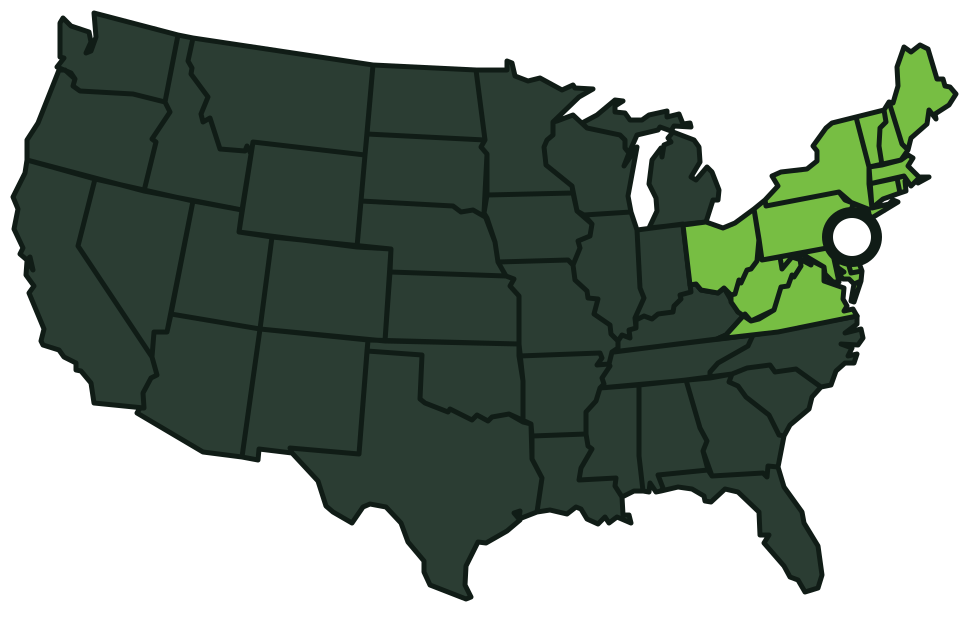
 Philadelphia, PA
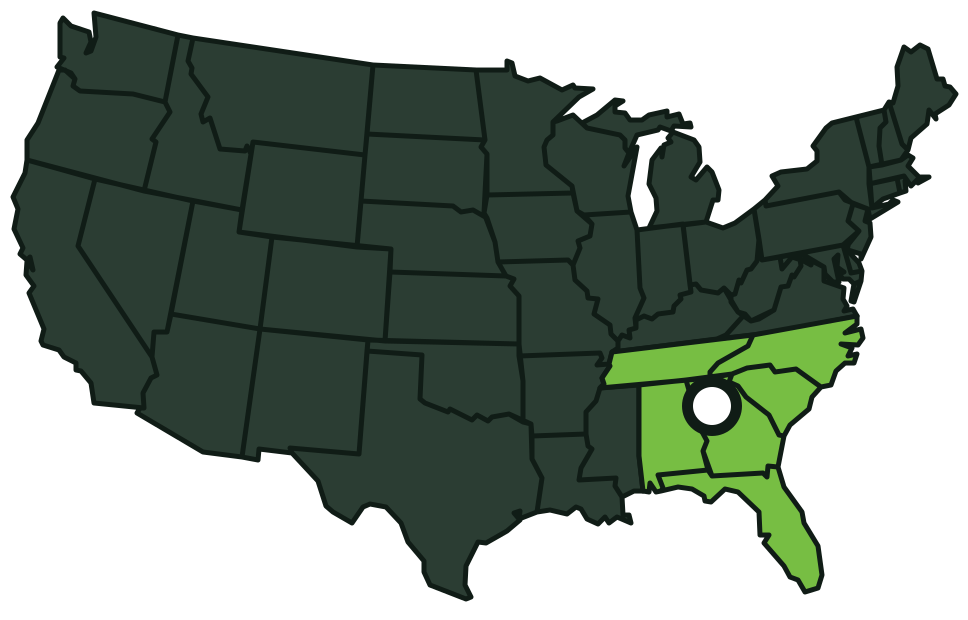 Atlanta, GA
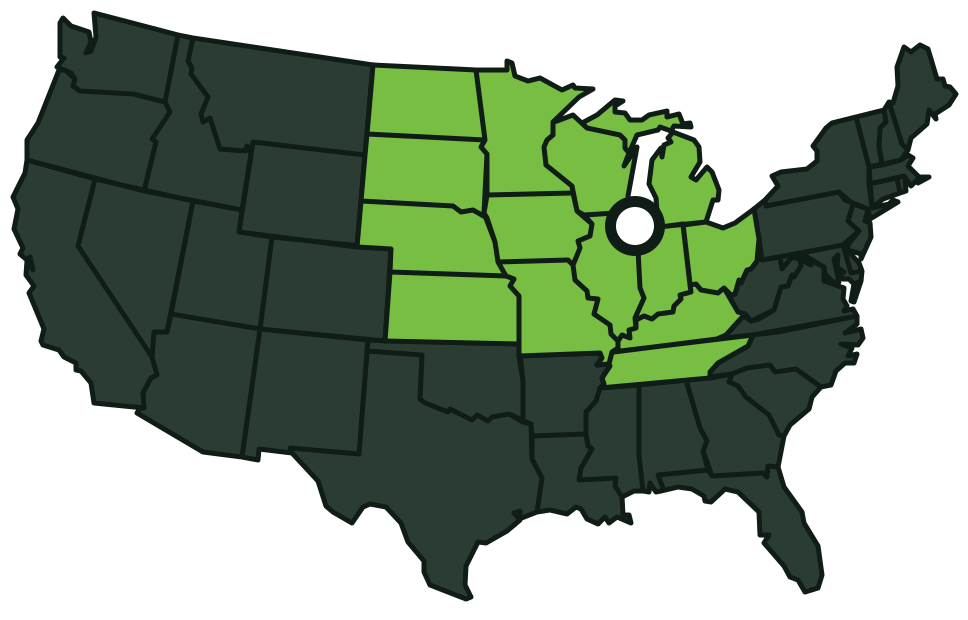 Chicago, IL
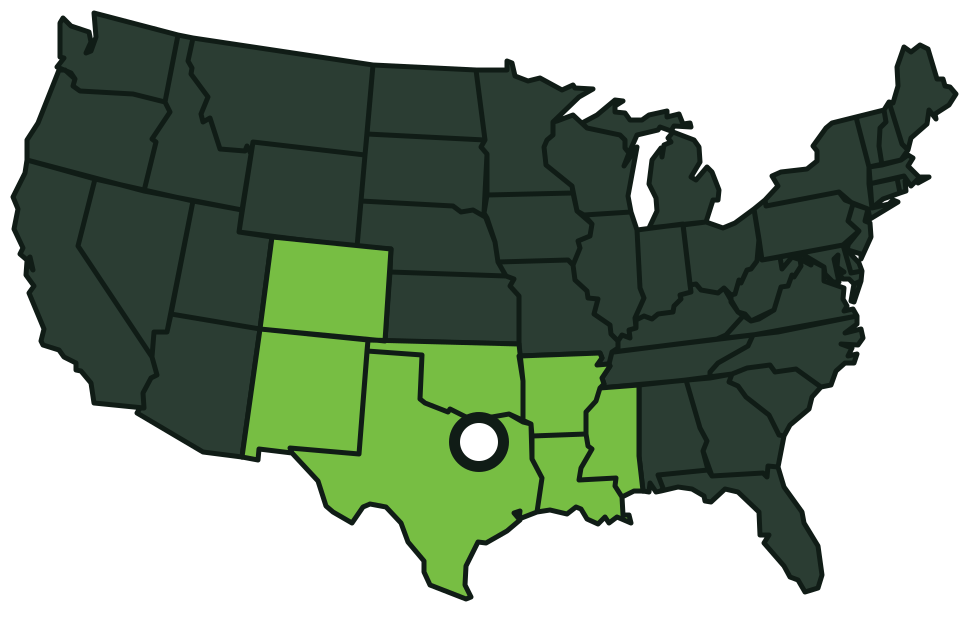 Dallas, TX
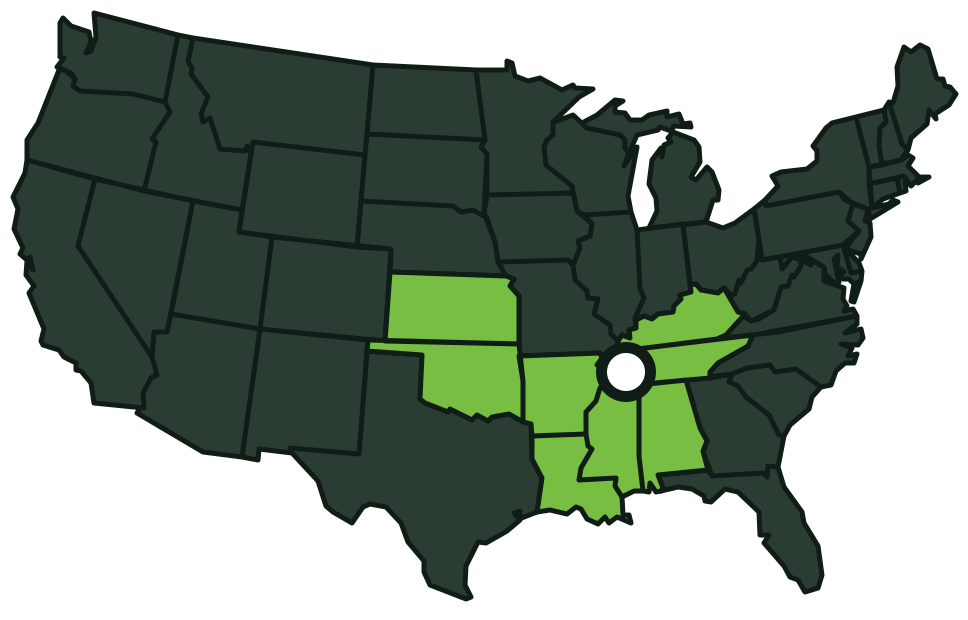 Jackson, TN
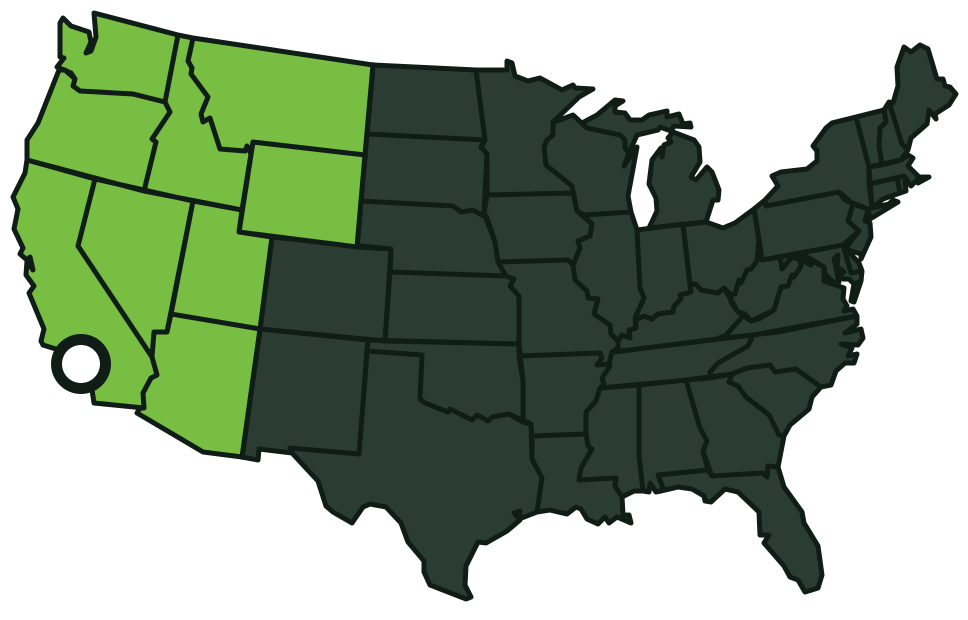 Los Angeles, CA
Baghouse and Dust Collector Service
The collector is where the plant's dust is supposed to end up. Kelly cleans it out, inspects it, changes the bags and cages, and removes and replaces units that are past their service life, so the system keeps pulling the way it was designed to.
How a dust collector tells you it needs attention
- Differential pressure is climbing and the pulse cleaning no longer brings it down. The bags are blinded, the hopper is bridged, or both.
- Dust is showing up at the stack, in the clean-air plenum or on the roof around the fan, which means a bag has torn or a seal has let go.
- Suction at the pickup points has fallen off and the dust is settling on the floor and the overhead instead of going into the system.
- The hopper will not discharge. Material has packed, bridged or set up hard, and the airlock or screw below it is turning on nothing.
- The unit was installed by a supplier who does not service it, the bags have never been changed, and nobody at the plant has been inside it.
- An insurer, a DHA or an inspector has asked when the collector was last cleaned and inspected, and there is no record.
What it involves
inside a live plant.
What a dust collector does, and what happens when it stops
Every dry process sends particulate into the air, and the dust collection system is what is supposed to capture it: pickup hoods at the source, ductwork to the collector, a baghouse or cartridge unit that separates the dust from the air, and a hopper and airlock that discharge it. When the system is working, the plant stays clean, the air stays within permit, and the people on the floor breathe what they are supposed to.
When it stops working, the symptoms show up everywhere except the collector. Dust settles on the overhead steel and the lights. It collects on equipment and under conveyors. Suction at the hoods falls off and operators stop trusting it. Somewhere in the chain, the bags have blinded, a bag has torn, the hopper has bridged, a pulse valve has failed, or the ductwork has filled. Kelly’s overhead and combustible dust work very often starts with a collector that quietly stopped doing its job months earlier.
The scopes
Cleanout. The housing, the hopper, the tube sheet, the clean-air plenum and the ductwork, cleaned with explosion-rated, HEPA-filtered vacuum equipment where the dust is combustible, and conventional industrial vacuum where it is not. Bridged and packed hoppers are broken down and emptied. The airlock, screw or drag conveyor below the hopper is cleared and checked.
Inspection. Bags or cartridges for blinding, abrasion, holes and seal failure. The tube sheet for corrosion, warping and gaps. Cages for bent wires and broken welds. Pulse valves, diaphragms, solenoids, the timer board and the compressed air header. Vent panels, isolation valves and the fan. Ductwork for accumulation and leaks. A differential pressure reading before and after, and a written report of what was found.
Filter bag change-out. Removal of the old bags and cages, cleaning of the tube sheet, installation of new bags and cages to the unit’s specification, seating of the seals, and a leak test before the unit goes back online. Cartridge collectors are handled the same way with their own media. Kelly sources the filters or installs the plant’s own stock.
Component replacement. Pulse valves and diaphragms, cages, venturis, door seals, airlocks and the wear parts that an inspection turns up, replaced in the same visit where the parts are on hand.
Removal and replacement. Where a collector is past its service life, Kelly isolates it, cleans it out, disconnects it from the duct, rigs it out and disposes of it, then sets the replacement unit and reconnects the ductwork. The plant’s electrician or the equipment supplier ties the electrical and controls back in, in a sequence Kelly plans with them before the day.
What the work involves
Survey. What the collector handles, how it is run, when it was last opened, what the differential pressure history looks like, and what the plant can shut down and for how long. If the dust has been tested, that governs the equipment and the precautions. If it has not, Kelly treats it as combustible until shown otherwise.
Isolation and lockout. The fan, the pulse system, the compressed air, the airlock and anything else that can move or energize is locked and verified. The plant’s own lockout program governs, and Kelly’s locks go on alongside it.
Entry. A baghouse interior is a permit-required confined space. Atmospheric testing before and during, an attendant posted, continuous monitoring and rescue provisions in place before anyone goes through the door. Kelly treats every collector the same way and does not shortcut it on any of them.
Cleanout and inspection first. The unit is emptied and cleaned before anything is replaced, so the inspection sees the equipment and not the dust on it, and so nothing new goes in on top of what caused the problem.
Bags, cages and parts. Installed to the manufacturer’s specification, seals seated, and every bag checked at the tube sheet before the plenum is closed.
Leak test and restart. A tracer powder test shows any bag that is leaking before the unit is handed back. Differential pressure is read on restart and recorded against the pre-work reading.
The record. Dates, readings, what was found, what was replaced, photographs, and the condition of the vents, isolation devices and ductwork, handed over in a form that goes straight into the DHA file.
Why this belongs with combustible dust cleaning
A collector handling combustible dust is the one vessel in the plant where the dust is at an explosible concentration on purpose. It is also, in most plants, the least inspected piece of equipment on the site, because it is on the roof or outside the wall and nobody is assigned to it.
NFPA 660 treats the collector as part of the dust hazard, which is why a Dust Hazard Analysis asks about its location, its venting and isolation, and its housekeeping. Kelly’s combustible dust programs already cover the overhead and the structure. Adding the collector closes the loop: the accumulation on the steel comes down, and the reason it got there is fixed at the same time.
Industries
Corrugated, paper and packaging. Paper trim systems, corrugator and converting extraction, starch and fiber dust. The collectors run continuously and the dust is combustible.
Wood products. Sawdust and sanding dust collection, the original subject of NFPA 664, with hoppers that bridge and bags that blind faster than almost any other application.
Food and beverage. Flour, sugar, starch, grain and powdered ingredients, where the collector is a food safety and an allergen question as well as a combustible dust one.
Metalworking. Weld fume, grinding and finishing dust, and metal fines, which carry hazards of their own and need the equipment and disposal route settled before the work starts.
Plastics and coatings. Resin dust, regrind and finishing fines from grinding, compounding and trim.
General manufacturing. Every plant with a baghouse on the roof and nobody who has been inside it.
As a program
A collector that is cleaned, inspected and leak-tested on a schedule, with bags changed on condition rather than failure, costs less to run than one that is opened when it stops. Kelly sets the baseline on the first visit, proposes an inspection and change-out interval from what it finds, and returns on it, on the same calendar as the plant’s combustible dust and overhead cleaning.
Performed to the standards
your plant is held to.
The consolidated combustible dust standard, which absorbed NFPA 652, 654, 664, 61, 484 and 655. A dust collector handling combustible dust is the one place in the plant where an explosible concentration exists by design, so the standard addresses where the collector sits, how it is vented and isolated, and how the dust inside it is handled.
Deflagration venting and explosion prevention. Where a collector carries vent panels, isolation valves or suppression, Kelly works around them, reports their condition, and leaves their design and certification to the people responsible for it.
Permit-required confined spaces and lockout. A baghouse interior is a confined space and the fan, the pulse system, the airlock and the compressed air header are all energy sources. Entry is permitted and every source is locked and verified before anyone opens an access door.
Respiratory protection. The dust in a collector is the most concentrated in the plant, and whatever the plant collects, from paper fiber to flour to metal fines, sets the protection the crew wears.
Where a collector is listed in the plant's air permit, bag condition is an emissions question as well as a housekeeping one. Kelly's inspection and change-out records give the environmental manager what the file needs.
What you get that
a general contractor cannot give you.
The same crews that clean the rest of the plant
Most collector work exists because dust is escaping somewhere. Kelly cleans the overhead, the structure and the equipment the dust lands on, and the collector that was supposed to catch it, on the same visit, with the same crew, under the same permit paperwork.
Rated for what is inside the housing
Explosion-rated, HEPA-filtered vacuum equipment, grounded and bonded, non-sparking tools and continuous atmospheric monitoring inside the housing and the hopper. Combustible dust in a confined space is the most demanding environment Kelly works in, and the equipment and the procedures match it.
Bags, cages and cartridges supplied to the plant's spec
Kelly installs the bags and cages or cartridges the plant or its equipment supplier specifies, in the fabric, finish and length the unit was built for. Where the plant has no spec, Kelly identifies the unit and sources filters to match it. Kelly does not substitute a cheaper bag to win a quote.
Removal and replacement without a second contractor
When a collector is past repair, Kelly takes it out: isolation, cleanout, disconnection from the duct, rigging and removal, then sets the replacement unit and reconnects the ductwork. Electrical and controls are tied back in by the plant's own electrician or the equipment supplier, in the sequence Kelly plans with them.
Baghouse and Dust Collector Service from
six service centers.
Every Kelly service is staffed from all six centers, so the crew that comes to your plant is the one based nearest to it. Coverage is all 48 contiguous states.
See the full territory map and the states each center covers on the service areas pages.
Asked before the quote.
How often should baghouse filter bags be changed?
What is involved in a bag change-out?
Do you work on cartridge collectors and cyclones as well as baghouses?
Can you clean the collector without a full shutdown?
Do you remove and replace whole collectors?
What do we get for the DHA and the insurer?
Tell us about the facility.
We'll tell you straight.
A specialist reviews every request, not a call center. If it is not Kelly work, we will say so and point you in the right direction.