
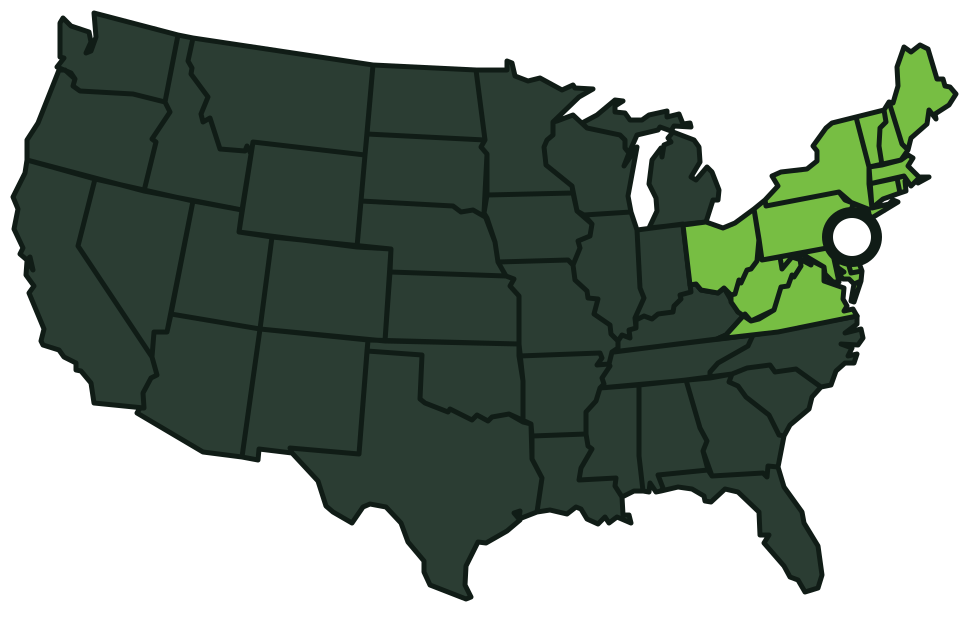
 Philadelphia, PA
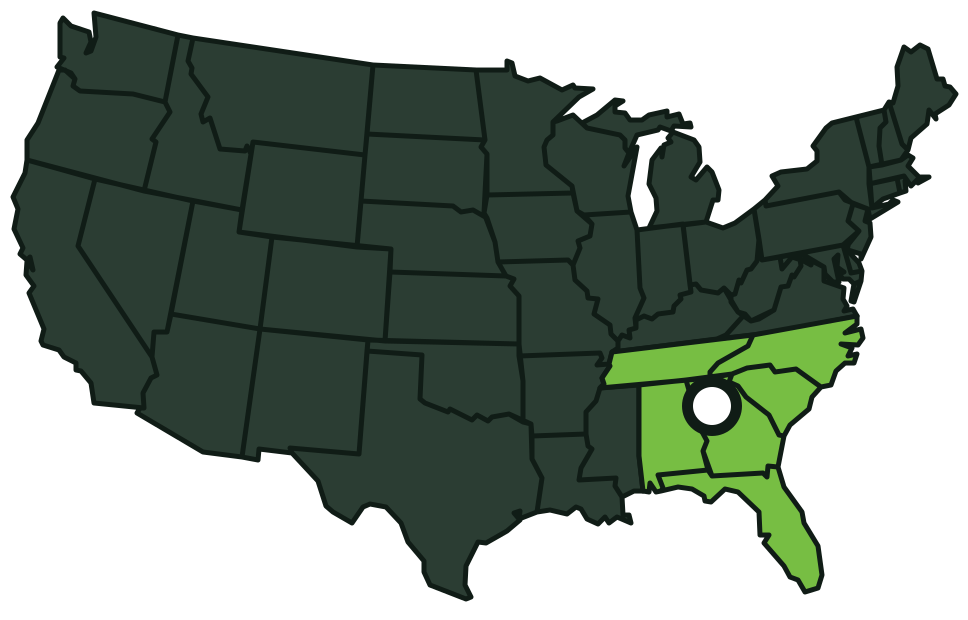 Atlanta, GA
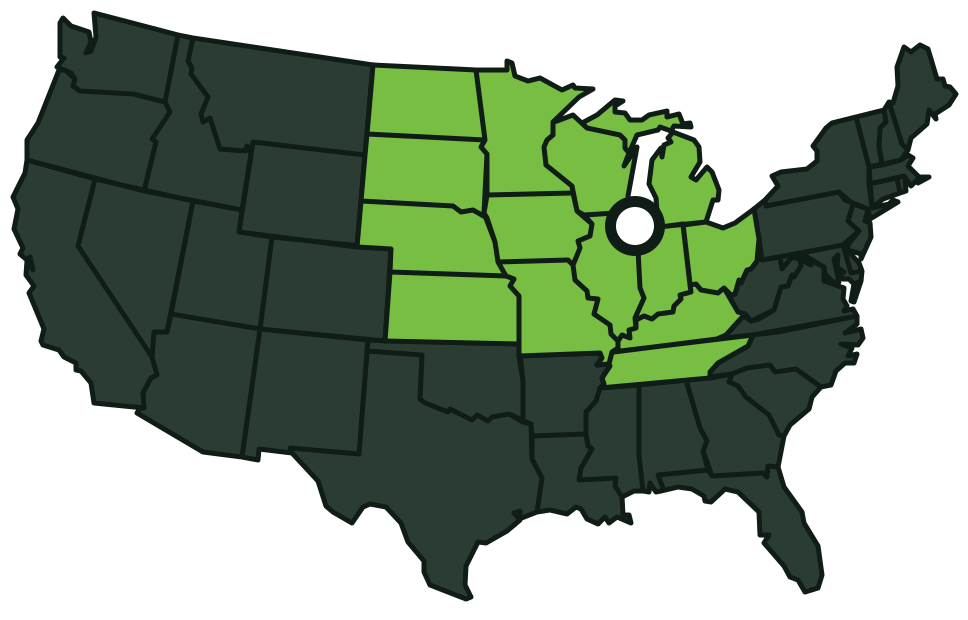 Chicago, IL
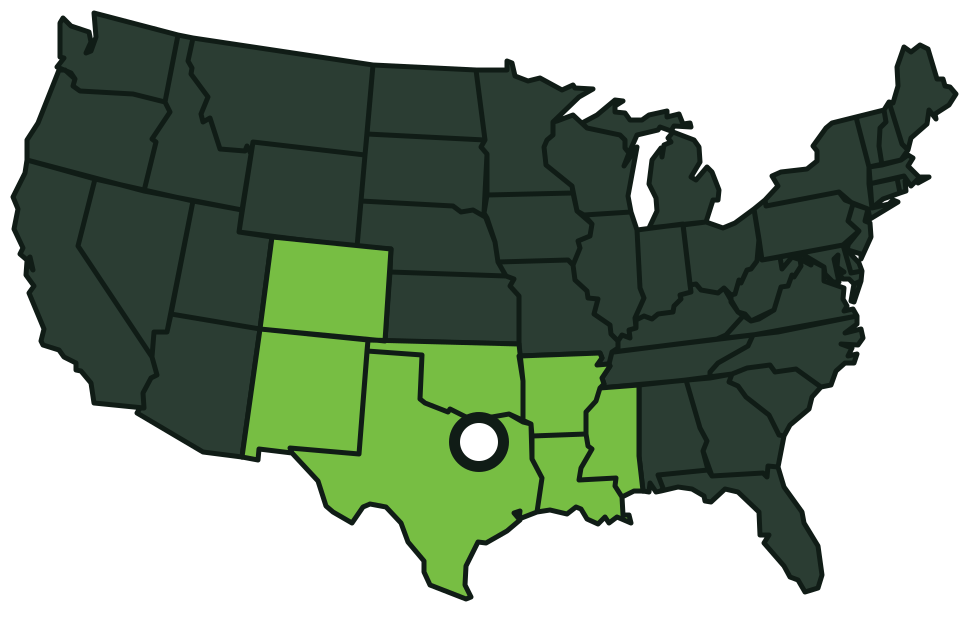 Dallas, TX
 Jackson, TN
 Los Angeles, CA
Industrial Roof Coating & Maintenance: Protecting Facilities, Reducing Costs, and Extending Roof Life
Professional industrial roof coatings and maintenance stop leaks and extend roof life. Learn why coating is THE cost-effective alternative.
Industrial roofs are some of the hardest-working surfaces in any facility - yet they’re often the most overlooked. While production lines, machinery, and floor operations receive regular maintenance, the roof above them quietly withstands years of sunlight, heat, storms, ponding water, chemical exposure, and structural movement. Over time, these conditions lead to deterioration that grows faster than most operators realize.
A well-maintained industrial roof is more than a protective cover. It impacts energy efficiency, operational safety, internal temperature control, and even the lifespan of the equipment beneath it. When roofs fail, the consequences ripple across the entire facility - leaks reach electrical systems, moisture intrudes into walls, insulation becomes saturated, corrosion spreads across steel structures, and production areas face safety hazards or shutdowns.
Industrial roof coatings and maintenance programs give facility managers control over these risks. Roof coatings provide a protective barrier against weathering, UV exposure, and moisture intrusion, while regular maintenance identifies issues long before they become emergencies. Together, they extend roof life, reduce capital expenditures, and preserve the performance of the facility below.
Kelly Industrial Services has helped industrial operations protect their roofs for forty years. Our coatings are designed for industrial conditions, applied by trained technicians, and backed by experience across manufacturing, corrugated production, warehousing, power generation, and heavy industrial environments.
This guide covers everything industrial decision-makers need to know about roof coatings, maintenance strategies, failure prevention, and the long-term value of protecting one of the facility’s most important assets.
Why Industrial Roof Maintenance Matters More Than Ever
Industrial roofs face significantly more stress than commercial or residential roofs. Flat and low-slope roofing systems common in industrial facilities are especially vulnerable to:
UV degradation
Direct sunlight weakens roofing membranes, causing brittleness, cracking, and loss of flexibility.
Thermal expansion & contraction
Temperature swings cause constant movement that stresses seams, fasteners, and adhesive bonds.
Standing water & ponding
Flat roofs tend to hold water, leading to membrane failure and saturation of insulation.
Chemical exposure
Manufacturing environments often produce airborne chemicals that settle on or react with roof surfaces.
Impact & traffic damage
Maintenance teams, contractors, and equipment installations put wear on roofing materials.
Weather & storm events
Wind uplift, hail impact, heavy rain, and snow loads accelerate surface deterioration.
When ignored, these conditions lead to leaks, insulation damage, structural corrosion, and costly roof replacements - often years earlier than expected.
Industrial roof coatings significantly slow down this deterioration, creating a protective membrane that stands between the roof and the elements.
What Industrial Roof Coatings Do
Roof coatings are engineered systems designed to extend roof life, improve performance, and reduce long-term maintenance costs. They act as a seamless barrier that protects roofing substrates from moisture, UV radiation, thermal stress, and chemical exposure.
High-quality roof coatings offer:
Waterproofing
Coatings seal seams, cracks, penetrations, and fastener points, preventing leaks.
UV and Heat Reflectivity
Cool-roof coatings reflect sunlight and reduce surface temperatures, lowering energy consumption.
Surface Protection
Coatings prevent oxidation, corrosion, and surface fatigue caused by weather and pollution.
Extended Lifespan
Coatings often add 10-20 years of life to an existing roof system when properly applied.
Reduced Replacement Costs
Instead of replacing the entire roof, coatings restore the existing one - saving significant capital.
Improved Structural Performance
Keeping the roof membrane intact prevents water penetration that weakens structural steel.
Environmental Benefits
Fewer full roof replacements mean less waste going into landfills.
Kelly applies roof coating systems designed specifically for industrial facilities - not consumer-grade or commercial-only products - ensuring durability where it matters most.
Types of Industrial Roof Coating Systems
Every industrial roof has different needs depending on the substrate, environment, and exposure. Kelly installs multiple coating types, each engineered for specific performance advantages.
Acrylic Roof Coatings
Ideal for UV protection and reflectivity. Acrylics are commonly used in warm climates or environments with moderate weather patterns.
Silicone Roof Coatings
Excellent for ponding water and moisture protection. Silicones remain flexible and resist degradation even under standing water.
Urethane Roof Coatings
Highly durable and abrasion-resistant. Urethanes stand up to foot traffic, impacts, and heavy industrial use.
Elastomeric Coatings
Flexible systems that expand and contract with the roof, preventing cracking and splitting.
Hybrid Coating Systems
Combining acrylic base coats with silicone or urethane top layers for tailored performance.
Kelly evaluates each roof to determine the best coating system based on environmental exposure, existing membrane condition, roof age, and long-term performance needs.
Common Warning Signs of Roof Deterioration
Industrial roofs rarely fail all at once. Warning signs appear gradually, often unnoticed until a leak becomes too large to ignore. Preventing major failures starts with identifying early indicators such as:
- membrane cracks or splits
- deteriorated seams or flashing
- soft or saturated insulation
- rust or corrosion around penetrations
- blistering or bubbling surfaces
- punctures from equipment or foot traffic
- ponding water that lasts more than 48 hours
- UV-faded or chalking surface
- mold or algae growth
- interior water stains or odors
Once these signs appear, action must be taken quickly. Roof coatings and maintenance services intervene before these small issues turn into major capital projects.
How Roof Coatings Extend the Life of Industrial Facilities
A roof is more than just a covering - it’s the facility’s first line of protection. When the roof weakens, everything inside becomes vulnerable.
Industrial roof coatings create a watertight, UV-resistant, flexible shield that:
- seals vulnerable areas
- prevents future leaks
- controls thermal movement
- reduces insulation damage
- extends the usable life of the roof
- protects internal equipment and infrastructure
- prevents corrosion on structural elements
For many facilities, applying a roof coating is the difference between a roof that lasts 12-15 years and a roof that lasts 25-35 years.
Energy Efficiency Benefits of Roof Coatings
Cool-roof coatings reflect sunlight and lower roof surface temperatures, creating meaningful energy savings - especially in manufacturing environments where internal temperatures rise quickly.
Benefits include:
- reduced HVAC consumption
- lower cooling costs in warm climates
- improved rooftop equipment performance
- increased comfort for operators and staff
- reduced thermal cycling stress on the roof membrane
Some facilities experience significant annual energy savings simply by upgrading to a reflective coating system.
Roof Maintenance as Part of a Facility-Wide Preventative Maintenance Strategy
Roof maintenance is often excluded from preventative maintenance plans despite being essential. Just like equipment requires routine care, roof systems need inspection, cleaning, and minor repairs to remain functional.
Strong roof maintenance includes:
- debris and drain cleaning
- sealing small cracks before they expand
- reinforcing vulnerable seams
- clearing ponding areas
- inspecting rooftop units for leaks
- checking flashing and transitions
- cleaning the membrane surface
- removing old or failing patches
- re-coating at manufacturer-recommended intervals
Kelly integrates roof maintenance into facility PM programs, supporting plant managers with ongoing inspections and repairs that prevent costly failures.
Why Industrial Facilities Choose Roof Coatings Over Full Replacement
Full roof replacement is expensive, disruptive, and often unnecessary. When the existing roof is structurally sound, coatings provide a cost-effective alternative that extends life without the cost burden of tearing off and rebuilding.
Advantages of coating over replacement:
- significantly lower cost
- faster installation
- minimal operational disruption
- no tear-off waste
- extended warranty protection
- compatibility with multiple roof types
- reduced downtime for the facility
- improved performance without structural work
Kelly helps facilities determine whether coating or replacement is the better option based on the roof’s age, condition, and performance goals.
Specialty Cleaning and Surface Prep for Roof Coating Projects
Proper surface preparation determines how long a coating system lasts. Even the highest-quality coating will fail prematurely on a poorly prepared roof.
Kelly performs complete prep work including:
- pressure washing to remove dirt and debris
- dry ice blasting for sensitive areas
- primer application
- old coating removal
- rust treatment
- patching and sealing of cracks
- repair of punctures or membrane separations
- reinforcement of seams and transitions
A clean, dry, structurally sound surface ensures maximum coating adhesion and long-term durability.
How Roof Failures Impact the Entire Facility - Not Just the Building Envelope
When most operations managers think about roof failure, they imagine a localized issue - a leak or damaged area that needs patching. But industrial roof failures rarely stay contained. Even a small breach can trigger a chain reaction of problems throughout the facility.
Damage to sensitive interior equipment
Moisture entering the building can damage:
- electrical panels
- switchgear
- PLC cabinets
- production equipment
- material-handling systems
- conveyor motor systems
- custom machinery prone to corrosion
Once moisture reaches these areas, repairs are exponentially more expensive, and equipment downtime becomes unavoidable.
Structural corrosion
Water penetration doesn’t stop at the membrane. It travels:
- into insulation
- into the metal deck
- down joists and beams
- into structural steel
- into wall cavities
Over time, oxidation weakens the building itself. Industrial roof coatings block water intrusion before this damage spreads.
Moisture-driven mold growth
In sectors like food, beverage, corrugated, and packaging, interior moisture can create compliance risks. Mold grows quickly in hidden spaces above ceilings or behind panels - and many plants don’t detect it until the odor becomes noticeable or product contamination risks rise.
Production disruption
Leaks over production lines, raw material storage, or forklift aisles cannot be ignored. Water inside the production zone triggers immediate stoppages, QC concerns, and safety risks.
A roof coating system prevents these multi-layered failures, protecting the entire operational ecosystem - not just the roof.
Understanding the Lifecycle of an Industrial Roof and When Coating Makes Sense
Every industrial roof follows a predictable lifespan, but environmental exposure can shorten or extend that timeline significantly.
Typically:
- Year 1-5: The roof is structurally strong with minimal wear.
- Year 6-10: UV degradation begins; seams loosen; flashing moves.
- Year 11-15: Ponding issues increase; surface cracks form; leaks begin.
- Year 16+: Failure accelerates without coating intervention.
Where coating fits in
Coating can be applied at various stages:
Early-stage (ages 6-12)
Coating at this point maximizes roof lifespan and often resets the warranty period.
Mid-stage (ages 13-20)
Coating prevents the need for premature replacement by reinforcing existing membranes.
Late-stage (20+ years)
If the roof structure is still sound, a coating system can extend life dramatically - but only if proper repair and prep work occur first.
This is why facility leaders rely on Kelly’s roof assessments: we identify when coating is the right choice, when repairs are needed first, and when replacement is unavoidable.
Special Challenges Faced by Industrial Roofs (and Why Coatings Solve Them)
Industrial environments produce byproducts and stressors that typical roofs were never designed to handle. Roof coatings create a system that compensates for these unique challenges.
1. Heat and Temperature Extremes
Manufacturing facilities generate heat from:
- corrugators
- ovens
- boilers
- kilns
- process steam
- high-speed motors
This internal heat rises and compounds external heat from the sun - roasting the roof. Coatings reduce this thermal load and minimize wear.
2. Chemical Emissions
Chemical vapors inside the plant often escape through vents and settle on the roof. These chemicals degrade membranes prematurely. Coatings create a chemically resistant barrier.
3. Foot Traffic from Technicians
Roof HVAC units, exhaust fans, and dust collection systems require regular service. Every step on the roof contributes to wear.
Coatings reinforce the membrane and reduce puncture risk.
4. Ponding Water
Flat roofs commonly hold water after heavy rain. Standing water accelerates membrane breakdown and creates leak points. Silicone coatings in particular thrive in these environments - they remain flexible and resistant to long-term water exposure.
5. UV Exposure
UV rays break down most roofing materials long before structural failure. Coatings act as sunscreen for the roof, significantly slowing ultraviolet degradation.
Kelly’s roof coating recommendations always consider these environmental and operational stressors before selecting a system.
The Importance of Roof Drainage in Industrial Facilities
Even the strongest coating system cannot compensate for poor drainage. Industrial roofs often have:
- clogged drains
- sagging or low areas
- debris collecting around equipment
- older HVAC curbs blocking water flow
- improperly pitched areas from building settlement
Before applying a coating, Kelly inspects drainage pathways and clears, repairs, or adjusts areas prone to ponding or obstruction.
Drainage improvements often include:
- cutting new crickets to redirect water
- re-securing or replacing compromised drains
- removing debris and vegetation
- repairing low spots with patching or leveling compounds
A roof coating is only as effective as the surface beneath it - proper drainage ensures that coating performs at peak levels.
How Roof Coatings Improve Working Conditions Inside the Facility
Cool-roof coatings don’t just protect the membrane - they significantly improve conditions within the plant.
With lower roof surface temperatures:
- internal heat reduces
- HVAC systems work less
- operator comfort increases
- equipment overheats less often
- temperature-sensitive processes stabilize
In corrugated and packaging plants known for high heat, this can contribute to meaningful improvements in both safety and productivity.
Facilities often experience measurable reductions in internal ambient temperature - especially above production lines or in mezzanine or overhead areas where heat naturally rises.
Roof Coatings and Insurance Requirements
Many industrial facilities are surprised to learn that roof condition impacts insurance premiums and coverage. Insurers evaluate risks such as:
- potential water intrusion
- roof age
- maintenance logs
- documented failures
- debris accumulation
- structural stability
A coated, well-maintained roof is viewed favorably in risk analysis.
Benefits may include:
- improved insurability
- lower premium increases
- fewer exclusions
- reduced risk classification
Kelly’s roof coating programs often play a role in strengthening a facility’s insurance position by providing documentation of proactive maintenance.
Why Roof Coating Is the Most Cost-Effective Strategy in Industrial Building Management
Replacing a roof is one of the largest capital expenses an industrial facility can face. Tens or hundreds of thousands of square feet, high labor requirements, tear-off disposal, and facility disruption all add up quickly.
Roof coatings provide a financially strategic alternative:
- coatings cost a fraction of replacement
- installation is faster and requires fewer workers
- no tear-off waste is produced
- warranties extend roof life for a decade or more
- less risk, noise, and disruption for operations
For many plants, coating delays roof replacement by 10-20 years - freeing capital for production upgrades, modernization, or additional maintenance initiatives.
Roof Coating as an Environmental Sustainability Strategy
Sustainability is becoming increasingly important in manufacturing and industrial operations. Roof coatings support greener facility management in several ways:
Reduced Landfill Waste
Full roof replacements produce massive debris. Coatings eliminate this waste entirely.
Lower Energy Consumption
Reflective coatings decrease heat absorption, reducing HVAC load and supporting LEED initiatives.
Less Frequent Material Use
Extending roof life means fewer materials used over the building’s lifetime.
Reduced Chemical Footprint
Some coatings are low-VOC or zero-VOC, lowering the facility’s environmental impact.
Kelly helps facilities choose coating systems that align with their sustainability goals and operational needs.
Understanding the Roof Coating Installation Process in Industrial Settings
Industrial facilities need predictable workflows that minimize downtime. Kelly’s roof coating installation process is designed for efficiency and clarity.
1. Roof Inspection
We evaluate:
- substrate condition
- membrane health
- seam integrity
- flashing condition
- existing coating
- drainage
- rooftop equipment impact
- structural concerns
2. Surface Prep
Cleaning is performed using:
- pressure washing
- degreasing
- dry ice blasting (where needed)
- scraping
- rust treatment
- seam reinforcement
3. Repairs
Before coating, we correct:
- cracks
- tears
- blisters
- flashing failures
- punctures
- damaged fasteners
4. Coating Application
Layers are applied to achieve the required thickness, coverage, and performance rating.
5. Final Inspection
Work is verified according to manufacturer specs and facility standards.
This structured approach ensures that coating systems perform reliably over time - whether the roof is a few years old or approaching the end of its original life.
What Sets Kelly Industrial Services Apart in the Roof Coating Industry
Coating an industrial roof is not a paint job. It requires technical understanding of:
- roofing systems
- industrial environmental conditions
- membrane deterioration
- coating chemistry
- industrial safety
- facility logistics
- long-term performance metrics
Kelly brings decades of specialization in working on active industrial sites, not commercial buildings. Every technician is a trained Kelly employee - never a subcontractor - and understands how to work around equipment, production schedules, and strict safety requirements.
We handle roofs with the same care and precision we bring to machinery cleaning, coating, and industrial facility maintenance.
Safety Considerations for Industrial Roof Work
Roof work in industrial facilities requires strict safety protocol due to heights, equipment exposure, and rooftop hazards. Kelly’s technicians are trained in:
- fall protection
- roof access safety
- confined space awareness
- rooftop unit safety
- equipment lockout/tagout
- safe movement around skylights, openings, and weak points
- hazard identification
Safety isn’t an add-on - it’s a fundamental part of our approach.
Industry-Specific Roof Challenges Kelly Helps Solve
Every facility presents unique environmental and structural challenges.
Corrugated & Packaging Plants
High humidity and internal heat lead to moisture, condensation, and thermal stress.
Manufacturing Facilities
Chemical exposure and emissions affect membrane performance.
Food Processing Plants
Roof leaks can compromise safety standards and contaminate product areas.
Warehouses & Distribution Centers
Large surface areas require coatings capable of handling massive thermal expansion.
Power Generation Facilities
Heat, vibration, and airborne contaminants create accelerated wear.
Kelly understands these challenges and recommends coating systems that match each industry’s demanding conditions.
The Long-Term Financial Value of Roof Coatings
Industrial roof coatings deliver measurable financial benefits:
- reduced energy consumption
- fewer repairs
- delayed roof replacement
- minimized interior damage
- protection of equipment and inventory
- reduced maintenance labor
- improved insurance compliance
For many facilities, a roof coating pays for itself long before the warranty expires.
Why Kelly Industrial Services Leads in Roof Coating & Maintenance
Kelly brings decades of experience protecting industrial facilities nationwide. Our roof coating services are backed by:
- trained in-house technicians
- zero subcontractors
- high-performance coating systems
- strict safety processes
- industry-specific expertise
- detailed inspections and prep work
- nationwide mobilization
- minimal disruption to operations
We aren’t just applying coatings - we’re protecting the long-term performance of the facility.
Protect Your Facility With a High-Performance Roof Coating
Extend Roof Life. Reduce Costs. Prevent Leaks.
Kelly Industrial Services applies industrial-grade roof coating systems designed to withstand weather, thermal movement, and the demands of active facilities. With trained technicians and decades of experience, we protect your building from the top down.
Let’s create a roof maintenance plan that supports your facility for years to come.
Request a Roof Coating Inspection
FAQ: Industrial Roof Coating & Maintenance
1. How long do industrial roof coatings last?
Most coatings last 10-20 years depending on the system, application quality, and environmental exposure.
2. Can a roof coating stop leaks?
Yes. Coatings seal cracks, seams, and penetrations, preventing water intrusion and future leaks.
3. Do all roofs qualify for coating?
Roofs in structurally sound condition typically qualify. Severely damaged roofs may require repair before coating.
4. What roof materials can be coated?
TPO, EPDM, modified bitumen, metal, BUR systems, and single-ply membranes can all be coated with the right system.
5. Does a coating replace the need for a new roof?
Often yes - coatings extend roof life significantly. However, severely aged or failing roofs may require partial repair or replacement.
6. How long does coating installation take?
Most projects take a few days to a few weeks depending on square footage and prep needs.
7. Does roof coating impact energy consumption?
Yes. Reflective coatings reduce heat absorption and improve cooling efficiency inside the facility.
8. Do you work nationwide?
Yes. Kelly Industrial Services mobilizes roof coating teams across the U.S.
Industrial roof coatings
The Hidden Costs: How Neglected Roof Cleaning Leads to Structural Failure and Leaks
Neglected factory roof debris removal leads to ponding, leaks, and structural failure. See how industrial roof leak prevention starts with cleaning.
Read moreReduction in Energy Costs: How Quality Roof Coating Can Help
Learn how Kelly Industrial Services helps you save money and extend your roof's lifespan with industrial roof coatings.
Read moreRevolutionize Your Roof: The Benefits of High-Performance Roof Coatings
Discover how high-performance roof coatings extend longevity, reduce maintenance costs, and improve insulation.
Read moreTell us about the facility.
We'll tell you straight.
A specialist reviews every request, not a call center. If it is not Kelly work, we will say so and point you in the right direction.