
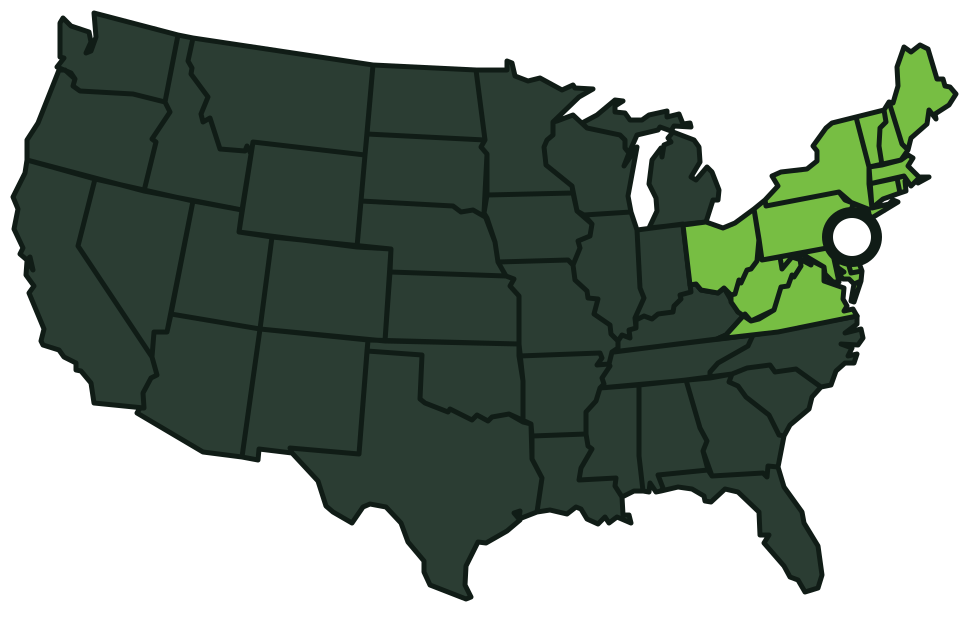
 Philadelphia, PA
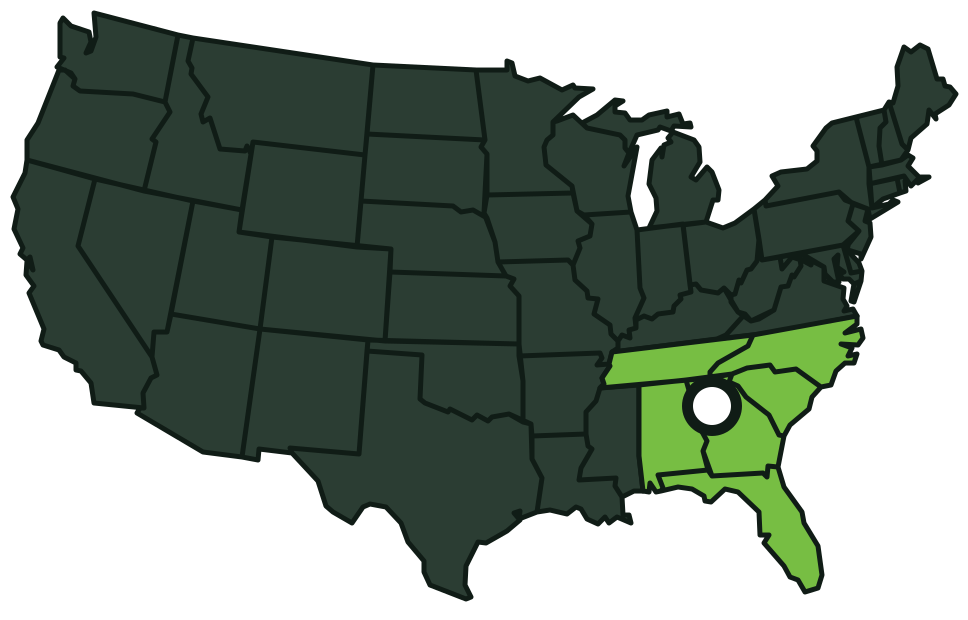 Atlanta, GA
 Chicago, IL
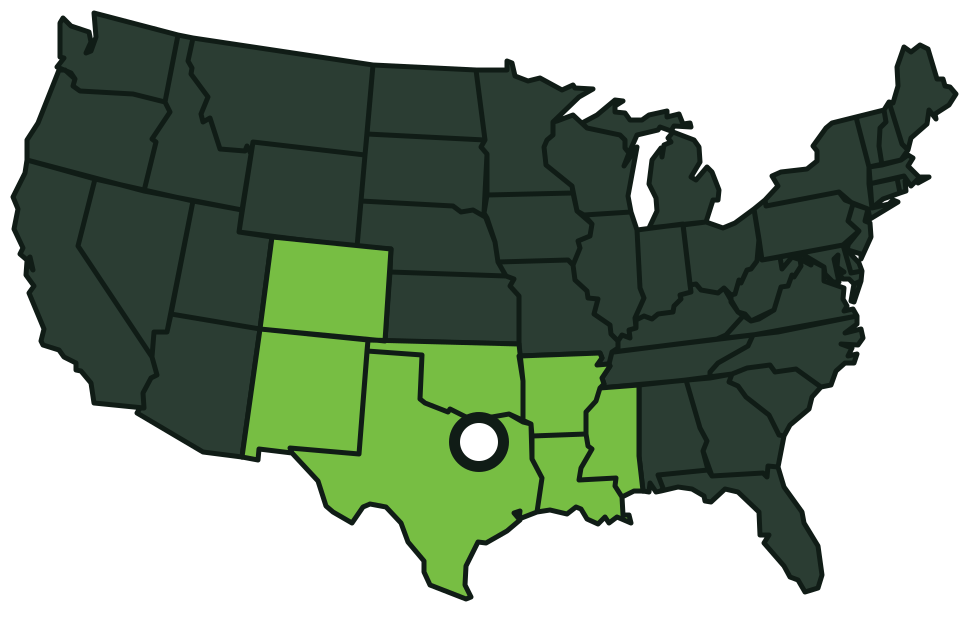 Dallas, TX
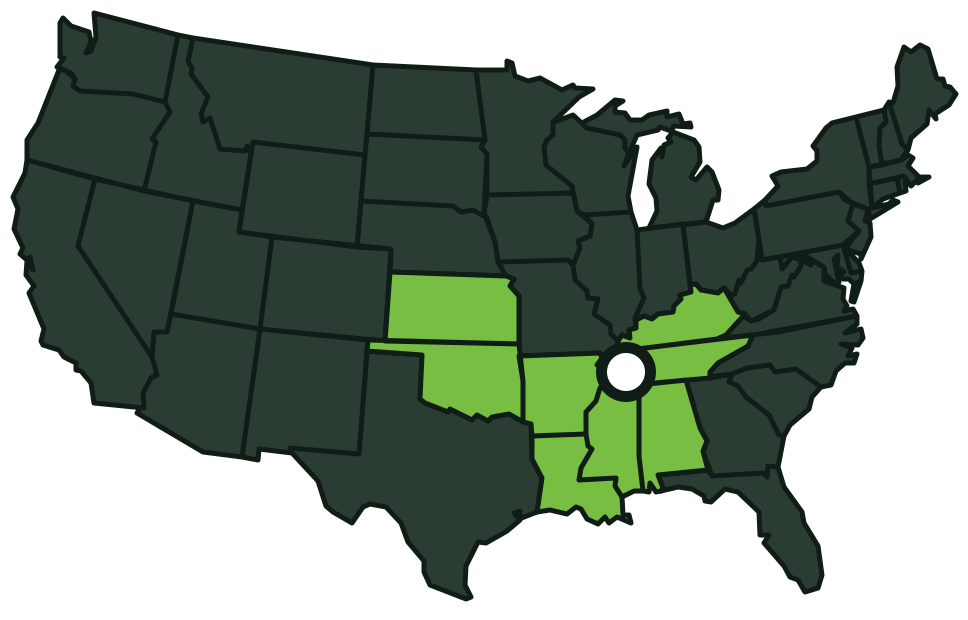 Jackson, TN
 Los Angeles, CA
Specialized Industrial Roof Coatings for Corrugated and Packaging Plants
Corrugated and packaging plants put unique heat, humidity, and dust stress on a roof. See what specialized industrial roof coatings need to address in these facilities.
Corrugated and packaging plants ask more of a roof than most industrial buildings do. Corrugators run hot for hours at a stretch, starch systems and washdowns keep interior humidity elevated, and paper dust drifts upward and settles on rooftop equipment and structural surfaces. All of that heat and moisture has to go somewhere, and much of it ends up working against the roof system from underneath - which is a stress most generic roof coatings were never designed to handle.
Interior Heat Is a Bigger Factor Than Most Plants Realize
Corrugators generate substantial process heat, and in a large open plant, that heat rises and collects against the underside of the roof deck. Combined with direct solar heat gain on an unprotected roof, interior temperatures near the roofline can climb well beyond what’s comfortable or efficient to manage with HVAC alone. A reflective, cool-roof coating addresses both sides of that problem - it reduces how much solar heat the roof absorbs in the first place, and it lowers the baseline the HVAC system is working against. In corrugated plants specifically, this can translate into a measurable improvement in both working conditions on the floor and cooling costs, particularly during summer months. Our Industrial Roof Coatings service page covers the reflective coating systems we use to address this.
Moisture Doesn’t Stop at the Floor
Most conversations about moisture in a corrugated plant focus on the production floor - starch systems, washdowns, and standing water around waste and pit areas. But interior humidity also rises, and condensation readily forms on the underside of an uncoated or poorly insulated roof deck, particularly where temperature differentials are largest. Left unaddressed, that condensation contributes to corrosion on roof-mounted equipment, deterioration of the roof deck itself, and - in the worst cases - drips that damage product or equipment below. Our post on Waterproofing and Sealing: Protecting Corrugated Plants from High-Moisture Environments covers where interior moisture originates and how it moves through a facility, including up toward the roofline.
Combustible Dust Reaches the Roof, Too
Paper dust is lightweight enough to become airborne and settle on any elevated surface, including rooftop HVAC units, exhaust fans, and structural roof supports - not just the interior steel most dust control programs focus on. Dust accumulation on rooftop equipment can affect ventilation performance and, depending on where it settles, factor into the same combustible dust concerns covered under NFPA 652. Our post on Mitigating NFPA 652 Risks: Essential Dust Control in Corrugated Facilities covers the compliance side of this in more detail, and it’s worth extending that same dust-control mindset to rooftop equipment during regular roof inspections.
Why Standard Coatings Underperform in This Environment
A roof coating specified for a typical warehouse - dry interior, minimal process heat, standard traffic - isn’t built for the combination of high interior heat, elevated humidity, and dust exposure that a corrugated plant produces. Coatings need to hold up to that combined load, not just resist weather from the outside. That generally points toward silicone or high-grade elastomeric systems with strong reflectivity and moisture resistance, paired with rust-inhibitive treatment on any exposed metal fasteners or flashing, since humidity accelerates corrosion at those points faster than in a typical dry facility.
Roof Coatings Are Part of a Larger Moisture and Corrosion Strategy
In a corrugated plant, the roof doesn’t operate in isolation - moisture and heat management up top are connected to the same issues affecting structural steel, floors, and equipment throughout the building. A roof coating project makes the most sense as part of a broader plan that also addresses structural corrosion protection and interior moisture control, rather than as a standalone fix. Our guides on Corrugated Industrial Painting 101 and Corrugated Industrial Painting for Corrosion Control cover how those pieces fit together.
What to Look For Before Committing to a System
Before specifying a roof coating for a corrugated or packaging facility, it’s worth having an assessment that covers:
- Interior heat load near the corrugator and how much of that is transferring to the roof deck
- Drainage and ponding risk on the roof’s specific slope and layout
- Existing corrosion on fasteners, flashing, and rooftop equipment
- Dust accumulation on rooftop HVAC and exhaust systems
If any of these signs are already showing up during routine inspections, our post on 7 signs your industrial roof needs a specialized coating can help you determine how urgent the work is, and What Makes an Industrial Roof Coating “Specialized”? explains how coating selection works in more general terms.
Kelly Industrial Services applies roof coating systems specifically matched to the heat, humidity, and dust conditions inside corrugated and packaging plants, backed by the same in-house crews who handle the rest of your facility’s cleaning and painting needs. Contact us to have your roof assessed.
Corrugated and packaging plants
The Real Cost of Delaying Corrugated Industrial Cleaning
Delayed corrugated industrial cleaning costs more than a dirty facility. See how buildup drives scrap, downtime, safety risk, and equipment wear over time.
Read moreManaging Starch and Paper Dust: Cleaning Protocols for Quality and Fire Safety in Corrugated Plants
Starch and paper dust buildup threatens quality, safety, and uptime in corrugated plants. Learn the cleaning protocols that keep facilities compliant and running.
Read morePreventative Maintenance in Corrugated Manufacturing: How Smart Facilities Reduce Downtime, Improve Safety, and Extend Equipment Life
Reduce downtime and fire risks with a smart preventative maintenance plan. Learn how regular deep cleaning extends machine life.
Read moreTell us about the facility.
We'll tell you straight.
A specialist reviews every request, not a call center. If it is not Kelly work, we will say so and point you in the right direction.