
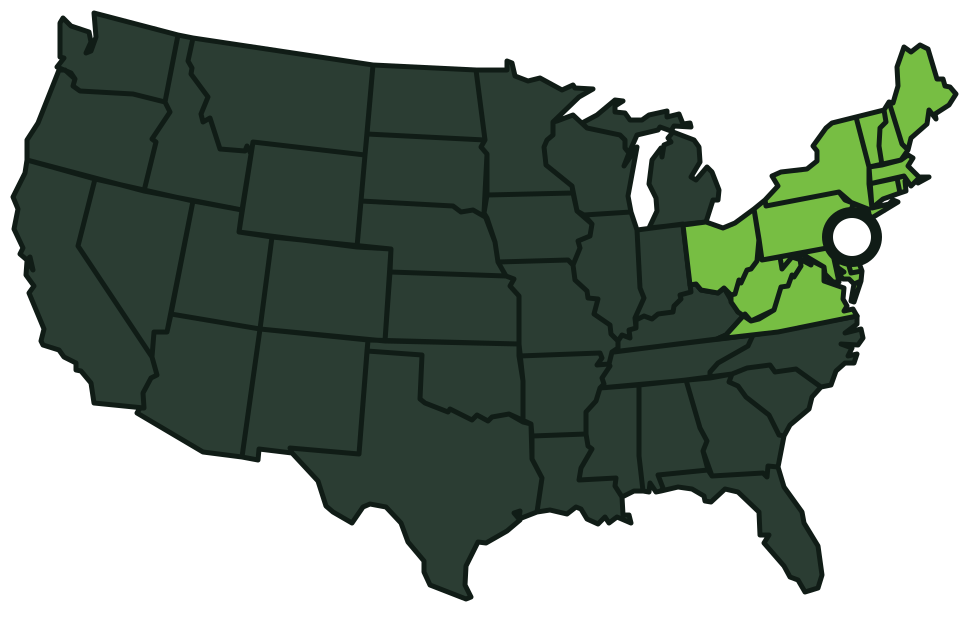
 Philadelphia, PA
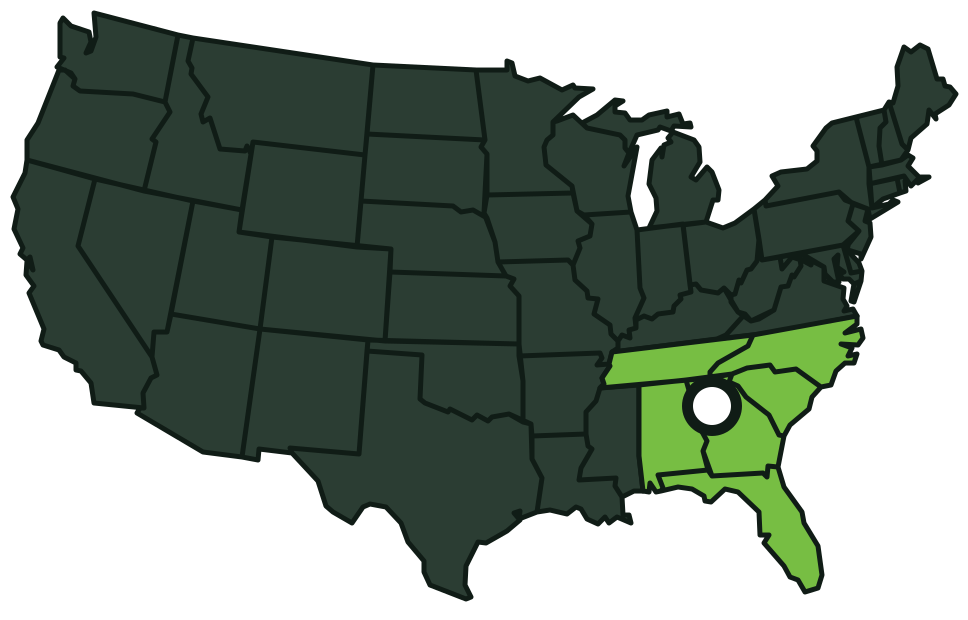 Atlanta, GA
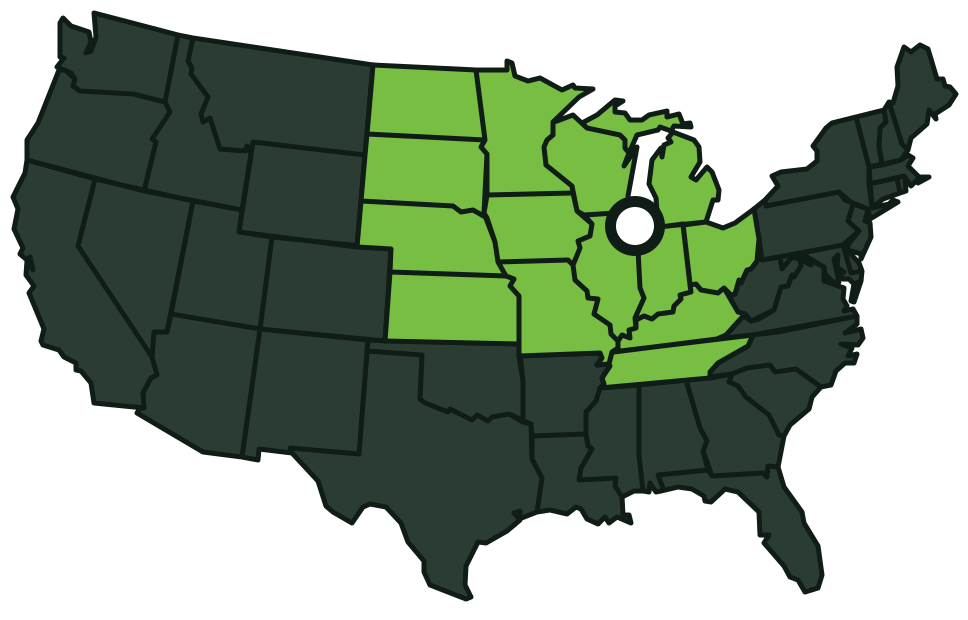 Chicago, IL
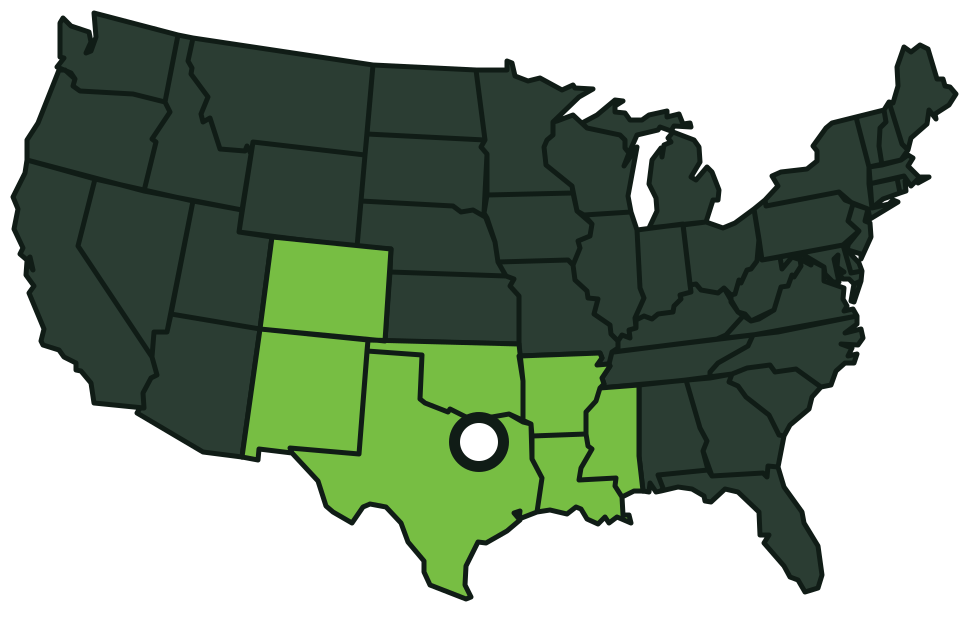 Dallas, TX
 Jackson, TN
 Los Angeles, CA
7 Signs Your Industrial Roof Needs a Specialized Coating
Ponding water, rust at fasteners, and rising HVAC costs are early warning signs. Learn the 7 signs your facility needs specialized industrial roof coatings.
Industrial roofs fail quietly, mostly out of sight from ground level, which is exactly why they tend to get attention only after a leak has already caused damage. A rooftop that’s degrading rarely announces itself - it shows small, easy-to-miss signals for months or years before a real problem shows up on the production floor below. Here are the seven signs worth checking for during a routine roof inspection, before they turn into an emergency repair.
1. Ponding Water That Doesn’t Drain Within 48 Hours
Some water pooling after rain is normal on a low-slope industrial roof, but water that’s still sitting two days later signals a drainage problem, a low spot in the membrane, or both. Standing water accelerates membrane breakdown and creates the exact conditions that cause leaks at seams and penetrations. Chronic ponding is one of the clearest signs that a roof needs both drainage correction and a coating system - like silicone - that’s specifically resistant to prolonged water exposure.
2. Rust at Fasteners, Seams, or Flashing
On a metal roof, rust that appears around fasteners, seams, or flashing details is often the first visible sign that corrosion has started at the roof’s weakest points. These are the areas most exposed to trapped moisture and the most likely to develop leaks first. Left alone, corrosion at these points can compromise structural panels, not just the coating layer. Our post on Corrugated Industrial Painting for Corrosion Control covers why humid industrial environments accelerate this kind of corrosion beyond what a typical building experiences.
3. Cracking, Blistering, or Peeling in the Existing Coating or Membrane
A roof coating or membrane that’s cracking, blistering, or peeling has usually lost its ability to seal the surface underneath, even if there’s no active leak yet. Blistering in particular often points to trapped moisture beneath the coating, which will continue to worsen the longer it’s left unaddressed. This is one of the more visually obvious signs, but it’s often dismissed as cosmetic rather than treated as an active failure.
4. Rising HVAC Costs Without an Obvious Cause
A roof that’s lost its reflectivity - either because the original coating has degraded or because it was never coated with a reflective system - absorbs more solar heat and transfers more of that heat into the building below. If cooling costs have crept up over a year or two without a clear operational explanation, an aging or unprotected roof is worth ruling in or out as a contributing factor, particularly for plants running significant interior process heat on top of solar gain.
5. Visible Debris, Dust, or Granule Buildup in Drainage Areas
Debris and dust accumulating around drains, scuppers, and low points restrict drainage and accelerate the ponding problem covered above. In facilities near dust-generating processes - including corrugated and packaging plants - this buildup can happen faster than it would on a typical commercial roof, and it’s easy to miss if rooftop inspections aren’t part of a regular maintenance cycle.
6. Interior Leaks, Staining, or Damp Insulation
By the time a leak is visible from inside the building - a stain on a ceiling tile, damp insulation, or a drip during heavy rain - the roof’s protective system has already failed at that location. These interior signs are useful because they’re impossible to miss, but relying on them alone means the roof problem has already progressed past the point where a simple coating touch-up would have caught it.
7. The Roof Is Approaching or Past Its Coating’s Rated Lifespan
Even a well-applied coating has a finite service life, and industrial roofs that haven’t been recoated or inspected in several years are due for an evaluation regardless of whether obvious damage is visible yet. Roofs facing heavier stress - ponding water, high heat, chemical exposure, or heavy foot traffic - tend to reach the end of a coating’s effective life sooner than the general rated range would suggest. If it’s been a while since your last inspection or coating project, that alone is a reason to schedule an assessment.
What to Do When You Spot These Signs
None of these signs necessarily means a full recoat or roof replacement is required immediately, but each one is worth documenting so a pattern doesn’t go unnoticed. An assessment can determine whether a targeted repair addresses the issue or whether the roof needs a full specialized coating system. Our post on What Makes an Industrial Roof Coating “Specialized”? explains how that system gets selected, and if the roof’s condition raises the question of coating versus full replacement, Roof Coating vs. Roof Replacement: A Cost Comparison for Industrial Facilities walks through how to think about that decision. If your facility runs corrugated or packaging operations, Specialized Industrial Roof Coatings for Corrugated and Packaging Plants covers the specific stresses that environment puts on a roof.
Kelly Industrial Services inspects industrial roofs for exactly these warning signs before recommending a coating system, using certified in-house crews for both assessment and application. Visit our Industrial Roof Coatings page to learn more, or contact us to schedule a roof inspection.
Industrial roof coatings
Industrial Roof Cleaning for Structural Integrity, Drainage, and Compliance
Learn why routine industrial roof cleaning matters by setting up a successful coating system, safeguarding structural integrity, and enhancing drainage.
Read moreRoof Coating vs. Roof Replacement: A Cost Comparison for Industrial Facilities
Specialized industrial roof coatings often cost a fraction of full replacement. See how the two options compare on cost, downtime, and long-term value.
Read moreWhat Makes an Industrial Roof Coating “Specialized”? Matching the System to Your Facility
Specialized industrial roof coatings are matched to substrate, climate, and plant operations. Learn how coating selection actually works for industrial facilities.
Read moreTell us about the facility.
We'll tell you straight.
A specialist reviews every request, not a call center. If it is not Kelly work, we will say so and point you in the right direction.