
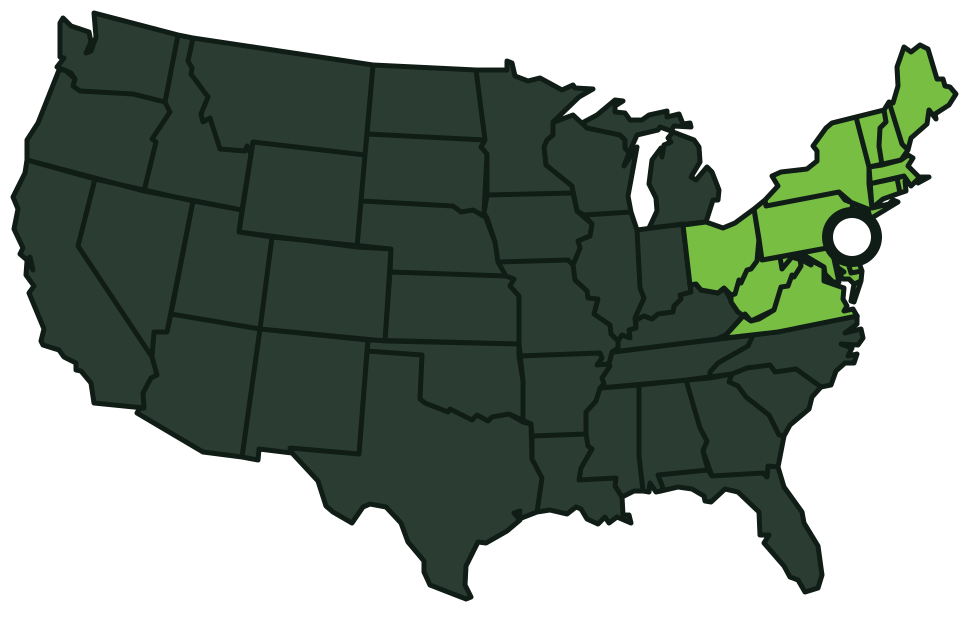
 Philadelphia, PA
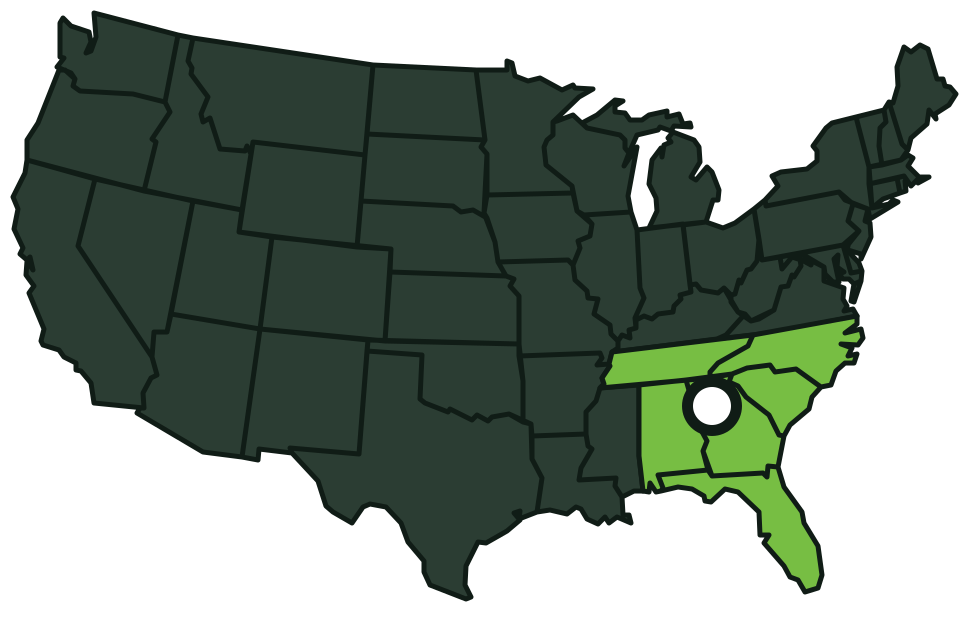 Atlanta, GA
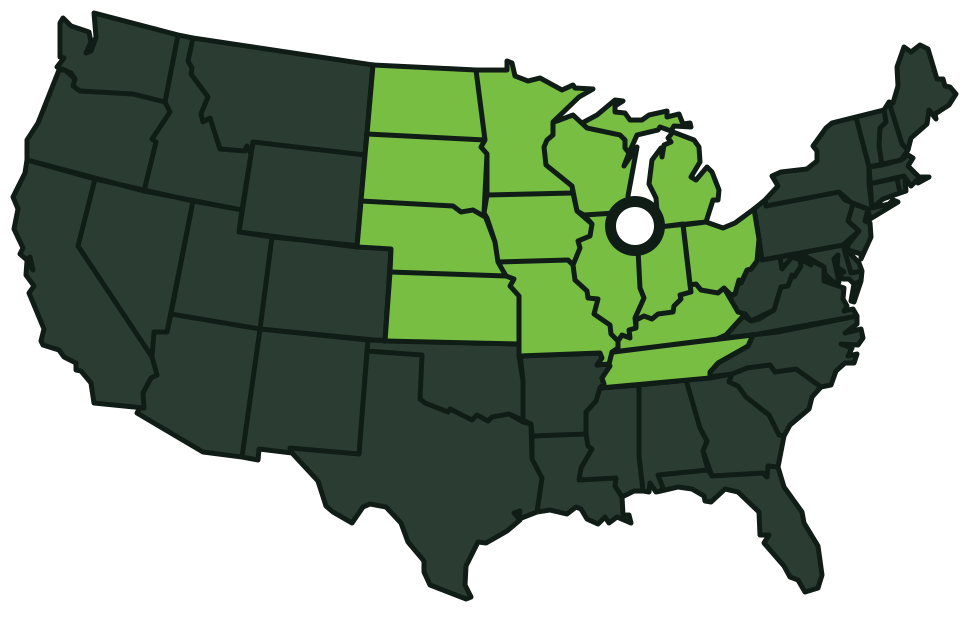 Chicago, IL
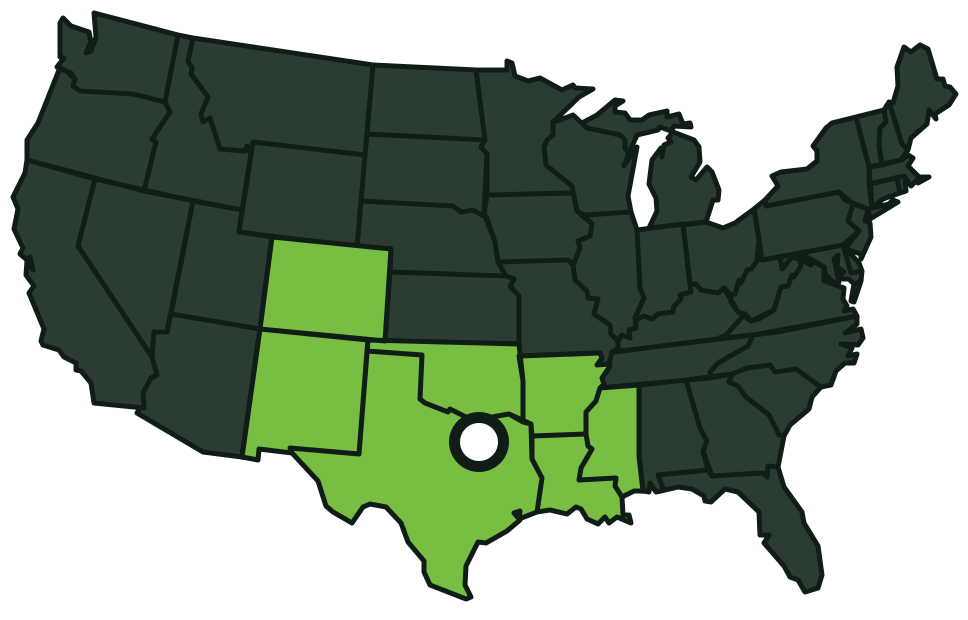 Dallas, TX
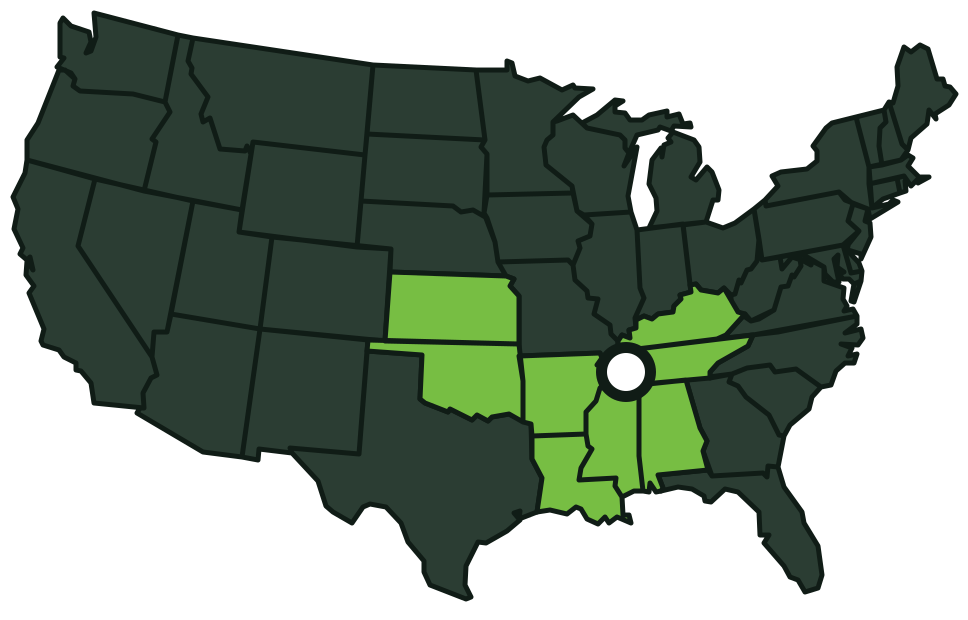 Jackson, TN
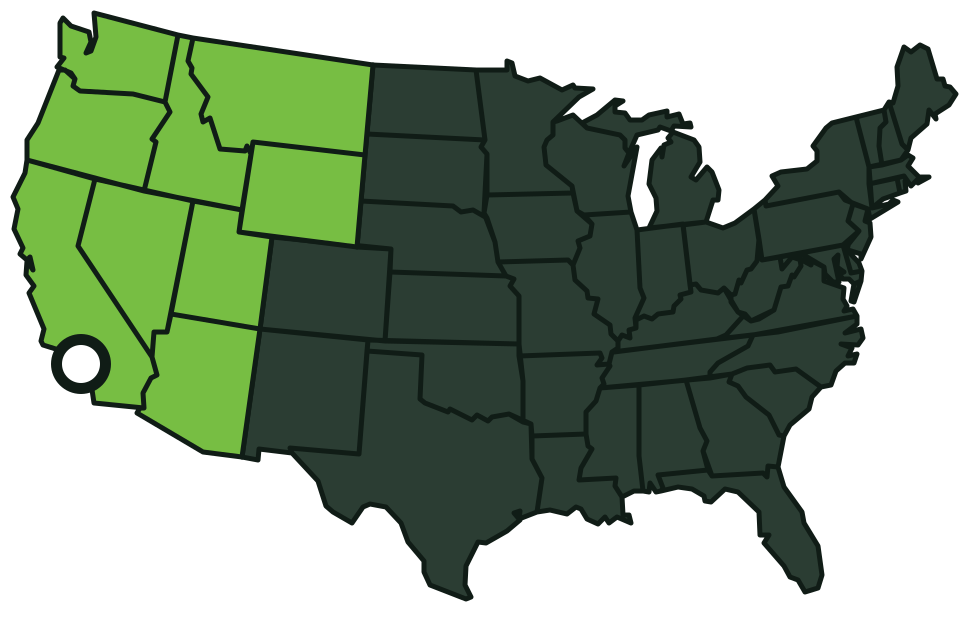 Los Angeles, CA
Paint Booth Cleaning
Overspray builds up on the booth walls, grating, conveyor and hangers until it flakes into the finish. Kelly takes it off with dry ice, so no water, solvent or grit goes into the booth.
Why a booth gets cleaned
- Overspray has built up on the walls, the grating, the conveyor and the hangers, and dirt is starting to show up in the finish.
- A fire marshal, the insurer or an internal audit has flagged the build-up in the booth.
- Water, solvent and grit are all out inside the booth, which rules out the usual ways of cleaning it.
- The booth can only come down for a short window, and the cleaning has to fit it.
What it involves
inside a live plant.
Where the overspray goes
The share of sprayed coating that ends up on the part is the gun’s transfer efficiency, and even a well-set gun puts part of every pass on the booth instead. It lands on the walls, the grating under the painter’s feet, the conveyor and the hangers the parts ride on, and it keeps landing there shift after shift. Dried overspray is combustible, and pieces that flake off the hangers and conveyor land on wet parts.
Why dry ice
A paint booth exists to keep contamination off a wet part, and the usual cleaning methods each put something into it that it is built to keep out. Washing leaves water on panels that have to be dry before the next part comes through, and grit blasting scars them and leaves media in the corners for the next wet coat to pick up. Dry ice pellets lift the overspray and turn to gas, so the only thing left in the booth is the overspray itself.
It is the same method Kelly uses on molds, tooling and robot cells in automotive and plastics plants, where the mold or tooling surface cannot be scratched.
What the work involves
Walk-through. A Kelly specialist walks the booth with the plant contact, confirms what is in scope, where the conveyor can be reached, and how long the booth can be down. Ventilation during the work is planned here too, because dry ice blasting releases carbon dioxide and a booth is an enclosed space.
Isolation. The conveyor and anything else with stored energy is locked out to the plant’s procedure before anyone starts, and anything that has to come apart first, filters included, has already been taken out by the plant.
Cleaning. Top down, so overspray coming off the structure does not land on surfaces already done, with what comes off collected as the crew goes.
Handback. The plant contact walks the booth and the conveyor, the collected overspray is removed from the booth and handled according to what it is, and the plant releases lockout.
Booth cleaning on a schedule
How fast a booth gets back to where it was depends on what it sprays and how many parts go through it. Most plants set an interval from what the first clean shows and put it on the same calendar as the rest of their maintenance. On a Ready at Any Time plan, Kelly schedules booth cleaning with the plant’s other services and bills the year as one invoice a month.
Performed to the standards
your plant is held to.
Spray finishing with flammable and combustible materials. 1910.107 requires spraying areas to be kept as clear of accumulated combustible residue as practical, cleaned daily if necessary with nonsparking tools, and the residue removed from the premises. NFPA 33 and the fire code chapter on flammable finishes, which is what a fire marshal cites, carry the same requirement.
Lockout and tagout. The conveyor and anything else with stored energy in or around the booth is isolated to the plant's own procedure before the work starts.
Respiratory protection, selected for what the booth has been spraying and what the cleaning will put in the air.
What you get that
a general contractor cannot give you.
Nothing is added to the booth
Dry ice lifts the overspray and turns to gas on contact, so the only thing left in the booth afterwards is the overspray itself, collected as it comes off. That matters in a room whose whole job is to keep contamination off a wet part.
The conveyor on the same visit
Overspray on the conveyor and hangers drops onto parts as they move, which is the case for putting the conveyor in scope on the same visit as the booth.
Planned to the down you can give it
A booth section, a conveyor run or the whole booth, with the scope set at the walk-through and the booth handed back ready to spray.
Full-time Kelly employees, every job
Every technician in the booth is a full-time Kelly employee, trained on the dry ice equipment and working to the plant's own lockout and PPE rules.
Paint Booth Cleaning from
six offices.
Every Kelly service is staffed from all six offices, so the crew that comes to your plant is the one based nearest to it. Coverage is all 48 contiguous states.
See the full territory map and the states each office covers on the service areas pages.
Asked before the quote.
Will dry ice damage the booth surfaces?
What is included?
What about a peelable booth coating?
How long does the booth need to be down?
Can this be on a schedule?
Tell us about the facility.
We'll tell you straight.
A specialist reviews every request, not a call center. If it is not Kelly work, we will say so and point you in the right direction.