
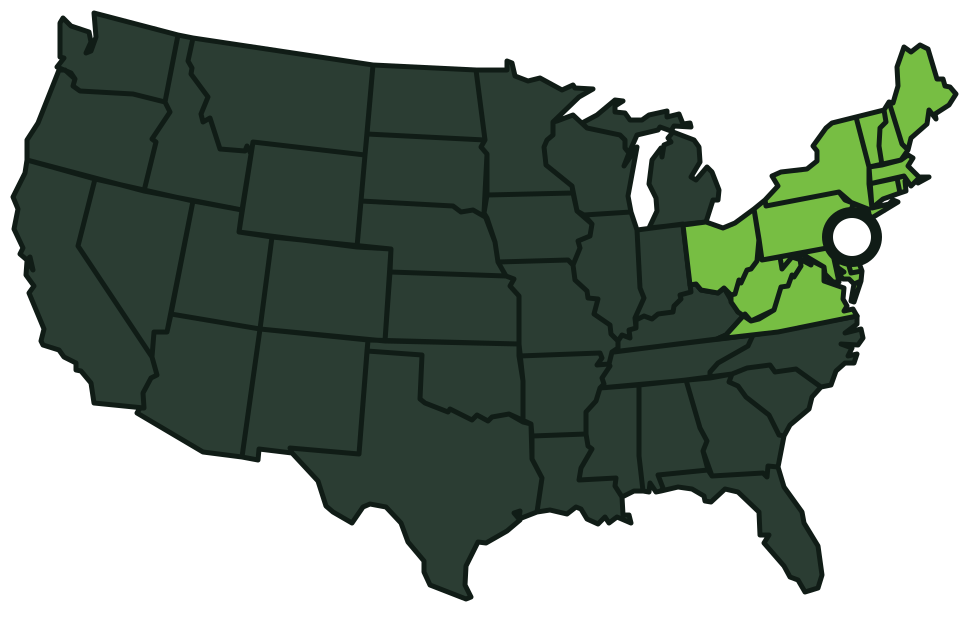
 Philadelphia, PA
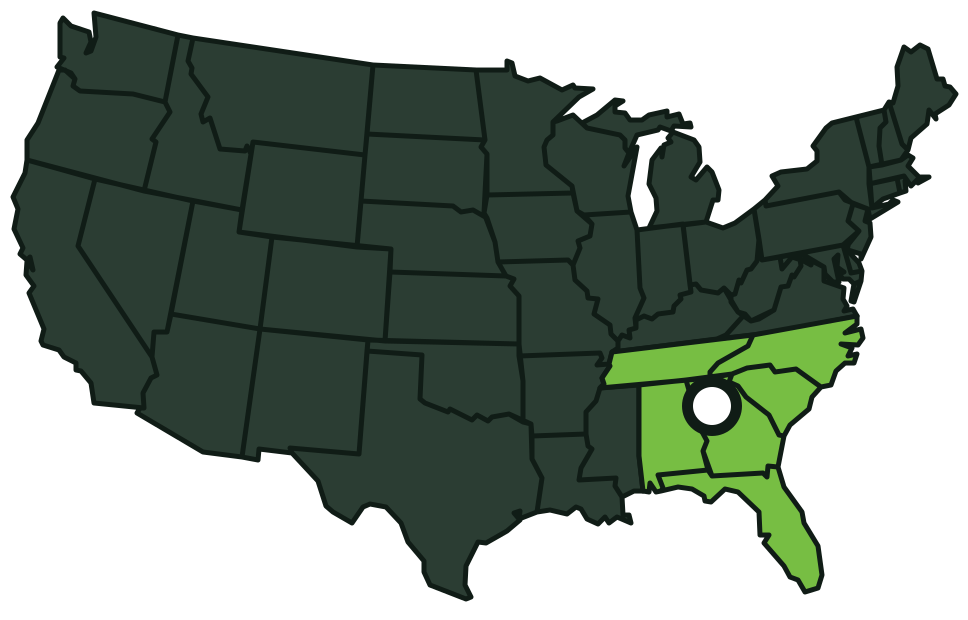 Atlanta, GA
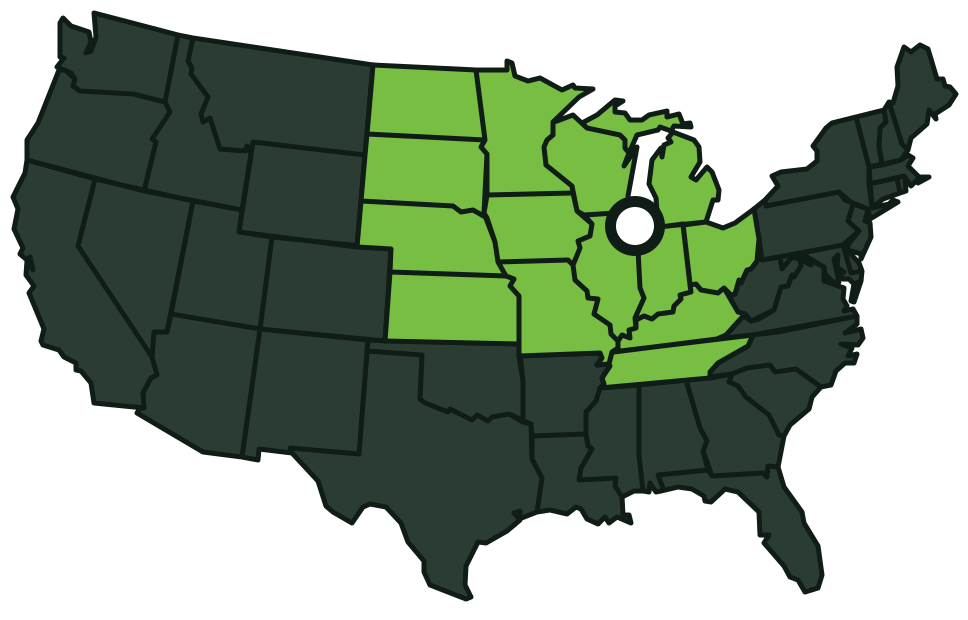 Chicago, IL
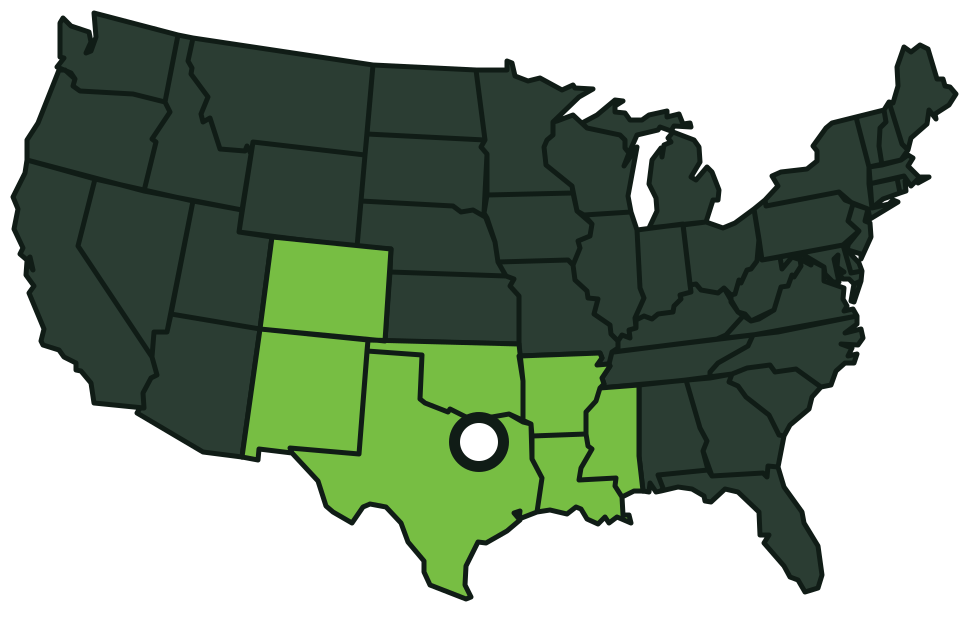 Dallas, TX
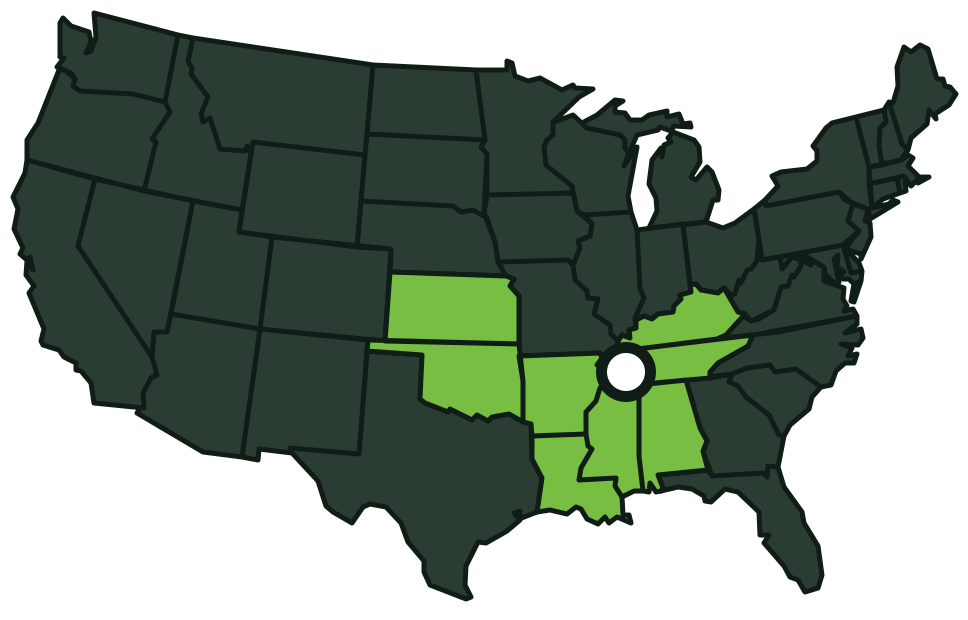 Jackson, TN
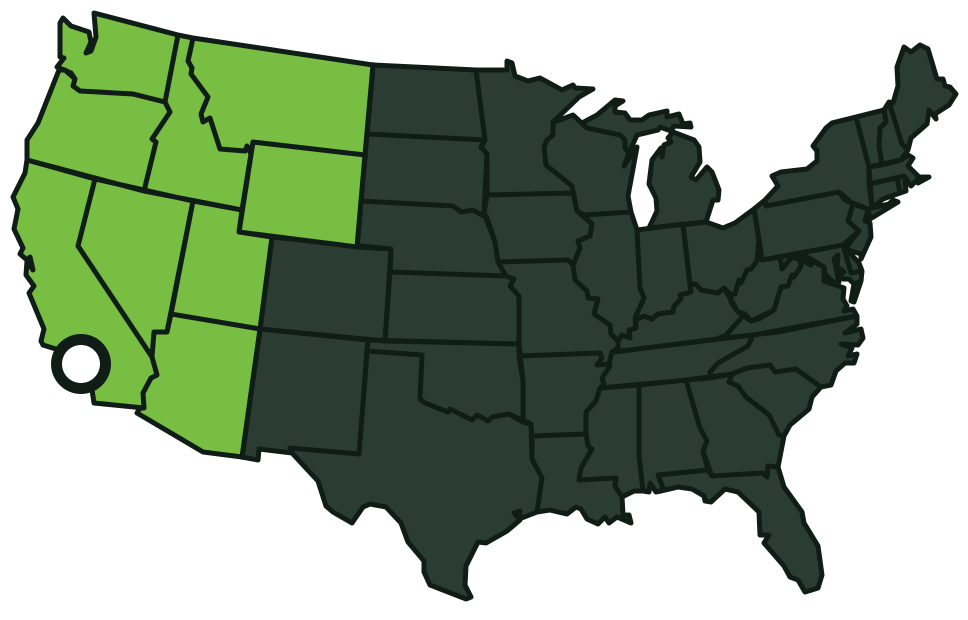 Los Angeles, CA
Industrial Pressure Washing: Where Water Works, Where It Doesn't, and Where It Goes
Pressure washing is the fastest way to clean a floor, a dock or a steel structure, and the fastest way to create an environmental problem if the water goes down the wrong drain. In a plant, choosing where to use it is half the job. The water is the other half.
Where water is the right method
Pressure washing works on surfaces that are hard, tolerate water, and are dirty in a way that force removes. High-volume water, sometimes heated and sometimes carrying a degreasing agent, lifts material that sweeping and scraping leave behind. In most plants that means:
- Production floors, aisles and walkways
- Loading docks, ramps, truck courts and yards
- Exterior walls, building surfaces and roll-up doors
- Structural steel, columns and beams, in plants where water is acceptable
- Tanks, vessels, pits, trenches and containment areas
- Equipment exteriors and housings built to take water
The most common reason is the floor. Oil, hydraulic fluid, product residue and the film that builds from all three turn concrete into a slip hazard, and a slippery floor is a walking-working surfaces issue under OSHA 29 CFR 1910.22. Washing fixes it. Washing on a schedule keeps it fixed.
Where it is the wrong method
Knowing where not to use water matters as much as knowing where to use it.
Anything electrical. Panels, motors, controls and energized equipment are isolated and protected, or cleaned another way. Water and live equipment do not mix, and lockout applies before washing starts near anything that moves or carries current.
Moisture-sensitive equipment. Sensors, instruments, bearings and electronics are better served by dry ice blasting, which cleans without water, abrasive or residue.
Dry dust. Loose paper dust, starch, flour or fiber does not wash off. Water turns it into a paste or slurry that spreads, sets and finds its way into places it was not before. Dry accumulation is vacuumed or blown down first. Washing, if it is needed at all, comes after.
Metal fines that react with water. Aluminum, magnesium and some other metal dusts are combustible, and several react with water. Where a plant generates them, the cleaning method is chosen for the material, which usually means rated vacuum rather than a pressure washer.
Anywhere the water cannot be contained. If there is no way to keep the runoff out of a storm drain, a product zone or a sensitive area below, the work waits for a method or a window that allows it.
What the survey looks at
Every pressure washing job in a plant should start with a walk of the area, because most of what decides the outcome is settled before any water flows:
- The surfaces and what is on them. Oil, product, starch, scale, algae or general soil each call for a different setup.
- The drains. Where every drain in the area goes, and which ones have to be blocked or diverted.
- What has to be protected. Electrical, controls, motors, instruments, product and packaging in and around the wash area.
- The permit. What the plant’s discharge permit and the local sewer rules allow, which decides whether water goes to the sanitary sewer or into a truck.
- The window, and how long the surfaces need to dry before the area goes back into use.
Hot water or cold, and why pressure is not the whole story
The contaminant decides the setup. Heated water, often with a degreasing agent, is what removes oil and grease. Cold water is enough for dust, dirt and general soil. Heavy oil usually starts as oil and grease removal and finishes as pressure washing.
Pressure is only one setting. Flow, temperature, chemistry, nozzle and standoff all change what the water does to the surface. A setup that strips baked-on product from a concrete floor will strip the coating off painted structural steel. The setup is chosen surface by surface at the survey, not on the day.
Where the water goes
This is the part that separates an industrial contractor from a mobile washing outfit.
Wash water that has picked up oil, chemicals or process residue is generally treated as industrial wastewater. It cannot be allowed to reach a storm drain. A contractor who washes a dock and lets the runoff go to the nearest grate has handed the plant an environmental problem with the plant’s name on it.
Containment is planned before the first lance is picked up. Drains are blocked or diverted, berms are set, and a collection point is established. Where the plant’s discharge permit and the municipality’s rules allow it, collected water goes to the sanitary sewer. Where they do not, it is collected and hauled for disposal. Either way, the plant gets the documentation for its file.
Docks, yards and exteriors
The outside of a plant is the first thing a customer, an auditor or a new hire sees. Docks, canopies, exterior walls and yards collect traffic grime, exhaust film, algae and spilled product, and they make a well-run plant look neglected.
Exterior work is usually the easiest scope to schedule, because it rarely touches production. The same rules about runoff apply outside, and often more strictly, since the nearest drain outside is usually a storm drain.
Making it a schedule
A floor that became a slip hazard once will become one again if the process that soiled it has not changed. For those floors the answer is an interval, not a single job: washed on a set cycle, measured against the plant’s own safety reports, and adjusted until slip incidents stop appearing in them. Docks and exteriors usually settle into a seasonal cycle.
Fitting it around production
A wet floor in a running plant is a hazard, not a service. Interior washing is usually scheduled on nights, weekends or planned shutdowns, with drying and inspection built into the schedule so the area is handed back ready to use. Exterior walls, docks and yards are the exception: they can usually be washed during production without touching it at all.
When washing is one part of a larger scope, sequence matters. Overhead and dry work comes first, so nothing falls onto a clean floor. Degreasing comes before washing. Coatings, if any, come last, on a surface that is clean and dry.
Pressure washing with Kelly
Kelly’s industrial pressure washing covers floors, structure, docks, tanks, pits and exteriors, with the containment planned first and the disposal documented at the end. Because Kelly also runs dry ice blasting, vacuum services and manual degreasing, the recommendation follows the surface rather than the equipment on the truck, and some areas get a different method entirely. Full-time Kelly crews, scheduled around your hours, from six service centers.
The ones that come up
every time.
Can pressure washing damage concrete or coatings?
Do we need a permit for the wash water?
How long before a washed floor can be used again?
Industrial facility cleaning
Industrial Facility Cleaning: The Complete Guide for Safer, Cleaner, and More Efficient Operations
Cleaning frequencies, safety zones, dust control, and vendor selection for industrial facility managers. What actually gets audited. Practical playbook.
Read moreIndustrial Silo and Bin Cleaning: Restoring Storage Capacity, Ensuring Material Flow, and Mitigating Confined Space Risk
How industrial silos & storage bins get safely cleaned: confined-space entry, NFPA-compliant dust removal, and typical turnaround times. Field notes.
Read moreNavigating Different Industry Requirements: How Kelly Industrial Services Adapts
Kelly Industrial Services adapts to your unique industry OSHA standards and compliance requirements with precision and expertise.
Read moreTell us about the facility.
We'll tell you straight.
A specialist reviews every request, not a call center. If it is not Kelly work, we will say so and point you in the right direction.