
 Philadelphia, PA
 Atlanta, GA
 Chicago, IL
 Dallas, TX
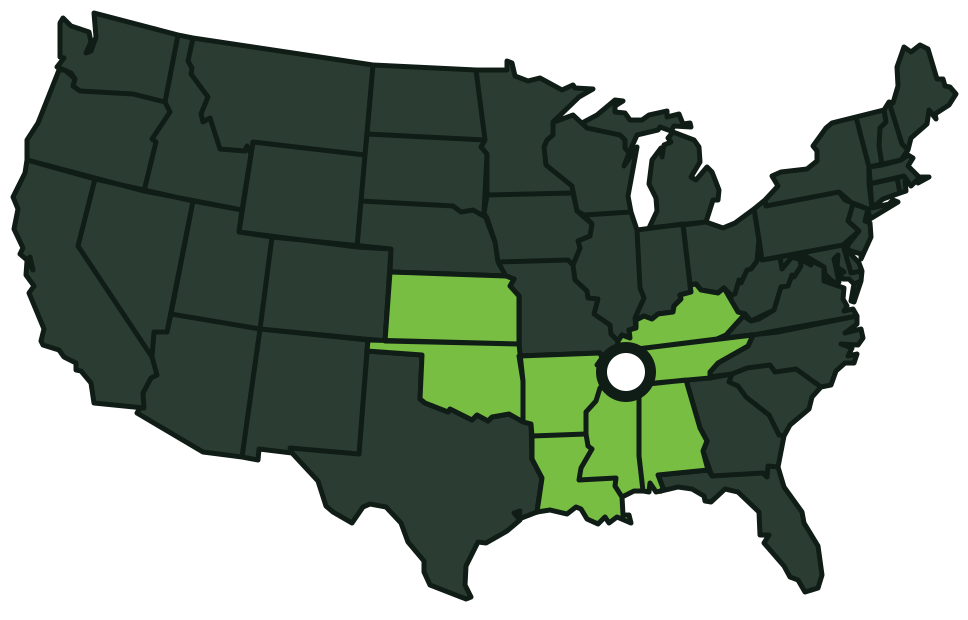 Jackson, TN
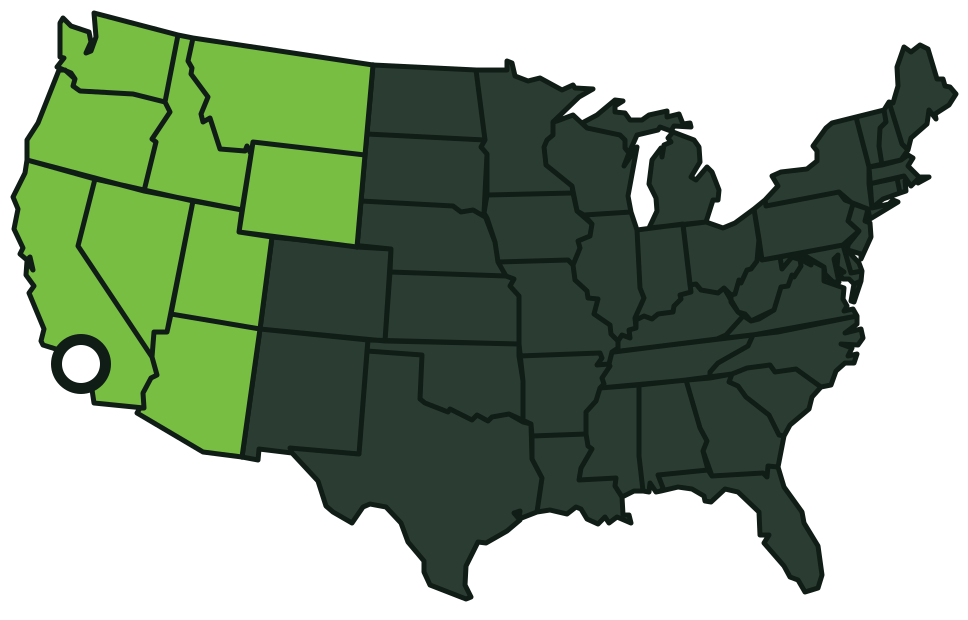 Los Angeles, CA
How to Pass a GFSI Audit: What Auditors Check Overhead, and What the File Has to Show
Whether your customer asks for SQF, BRCGS or FSSC 22000, the program behind it is benchmarked by GFSI and the building is in scope. Here is what auditors look for above the sanitation line, the height a sanitation crew can reach from the floor, and what the records have to show when they ask for them.
Many large retailers and brand owners require certification to a GFSI-recognized program from their suppliers. The audit that earns it covers the food safety plan, the records and the people, and it covers the building, which is where plants with a sound HACCP plan still lose points. Sanitation cleans the floor every night. The ducts, pipes and light fixtures above the line are cleaned when someone can get a lift in, and the records for that work are usually thin.
What GFSI does
GFSI, the Global Food Safety Initiative, was set up in 2000 by CIES, a retailer-led trade body that became part of the Consumer Goods Forum in 2009. Suppliers were being audited separately by each customer, often to slightly different checklists, and the idea was one audit that every retailer would accept.
GFSI does not publish a standard of its own and it does not send anyone to your plant. It writes benchmarking requirements and recognizes the certification programs that meet them. So a customer who asks for “GFSI certification” is asking you to be certified to one of those recognized programs by an accredited certification body. The certificate itself will say SQF, BRCGS or FSSC 22000, not GFSI.
The programs
Which program you are audited to is usually your customer’s decision. In North America the common ones are:
- SQF (Safe Quality Food), run by FMI, the Food Industry Association. The most common choice at US food manufacturers.
- BRCGS, which began as the British Retail Consortium’s standard and is now common at US plants supplying retailers.
- FSSC 22000, built on ISO 22000 and often the choice of multinational buyers.
- IFS, more common in Europe and at plants with European customers.
They are organized differently and use different words for the same things, and a plant that has passed one has done most of the work for another. What they expect of the building overlaps almost completely.
Packaging plants are in scope. Food packaging manufacture is its own category under GFSI, and each program covers it: BRCGS with a separate Packaging Materials standard, SQF with its Food Safety Code for the manufacture of food packaging, FSSC 22000 inside the same scheme with a packaging prerequisite program, and IFS with PACsecure. A corrugated plant making boxes for a food customer is held to that customer’s food safety expectations, and its auditor looks at the overhead the way a food plant auditor would.
What the auditor looks at in the building
The building requirements are written in the language of each program. In BRCGS they sit in clauses 4.4 (building fabric) and 4.11 (housekeeping and hygiene); under FSSC 22000 they are in the ISO/TS 22002-1 prerequisite program, clauses 4, 5 and 11. The walk-through is the same under all of them. The auditor usually starts under exposed product and inspects what is above it.
On the structure, the question is whether anything can fall into product. Dust and residue on the tops of ducts, pipes, cable trays, bar joists and light fixtures over an open line is the finding behind most of the audit-driven calls Kelly takes. An auditor with a flashlight finds it in seconds and then asks for the date it was last cleaned. Paint lifting from the steel, a coating that has started to fail, or rust on a beam over a filler gets written up as a foreign material risk, and the auditor expects to see a repair plan for it.
Condensation is the second place. A cold water line or an uninsulated duct sweating over product is a finding in nearly every wet or chilled area that has not dealt with it, and the auditor will ask whether the drip has been swabbed.
Then the auditor asks what lives up there. Cobwebs, insect activity and debris on ledges and in corners at height are read as evidence that the area is not being cleaned, which puts pest control and sanitation in the same finding.
The last two items are paperwork. The master sanitation schedule has to include the infrequent jobs, with overhead and structural cleaning on it at a stated frequency and a record for every cycle. And anyone working on site, including the contractor who cleans the overhead, is expected to follow the plant’s GMP and hygiene rules, with the plant able to show how it made sure of that.
Where the findings keep turning up
The sanitation shift owns everything it can reach from the floor, and in a well-run plant it reaches it every night. The findings come from above that line, on the surfaces listed above and on the steel directly over the line. Getting up there takes lifts, containment over product and a window when the line below is down, and because all three are hard to arrange at once, the job slides from one quarter to the next until an auditor writes it up.
The same layer is often a second problem. Flour, sugar, starch, milk powder and grain dust are all combustible, and the build-up an auditor flags as a food safety finding is often past the accumulation limit the plant’s own Dust Hazard Analysis sets under NFPA 660 as well. Cleaning overhead on a schedule deals with both at once, which is one reason combustible dust cleaning and food safety work so often end up on the same visit.
What the audit file has to show
For overhead work the auditor wants to see a program, and the test for one is simple. They open the master sanitation schedule, pick an infrequent task off it, and ask for the last few records. If the schedule says the overhead in packaging is cleaned quarterly and the last record is fourteen months old, that is the finding, and it is a worse one than the dust itself because it says the system is not being followed.
So the schedule has to name the areas and the frequency. Each cycle has to produce a dated record of what was done and how, any chemistry needs its SDS and its food-contact suitability on file, and anything raised at the last audit needs a record showing it was closed. The plant’s own record matters as well: who inspected the overhead after the crew left, when, and the pre-op sign-off before the line restarted.
Kelly’s reports are written for that file. Each visit produces dated before-and-after photographs by area, a written record of what was cleaned and the condition it was left in, documentation for any chemistry used, and training and insurance records for the crew who were on site. Where the work involved a confined space, the entry permits and atmospheric logs go in with it. If the job was scoped against a specific finding from the last audit, the report is written against that finding so it can be filed as the corrective action.
Preparing for the audit
- Start with the last audit report and your customer’s own requirements, which are sometimes stricter than the program. List every finding that touched the building, the overhead or the cleaning program, and make sure each one has a record showing it was closed.
- Walk the plant from the ceiling down. Stand under every area with exposed product and look up with a flashlight, the way the auditor will: dust on ducts and pipes, lifting paint, corrosion, condensation, cobwebs.
- Put the overhead work on the master sanitation schedule with a frequency that matches how fast each area loads up. A flour room and a cold storage corridor do not reload at the same rate, and an auditor will ask why they are on the same interval.
- Schedule the cleaning far enough ahead of the audit that the work is finished and the records are filed before the auditor arrives. The work itself is usually the quick part. Filing the report and updating the schedule to match is what gets left to the last week.
- Keep it on the calendar afterwards. SQF, BRCGS and FSSC 22000 each now require at least one unannounced audit in every three years, so the overhead has to be in the same condition in month eleven as it was the week before the last audit. An auditor who sees four quarterly records treats the program as working. One who sees a single deep clean dated three weeks before the visit asks what happened in the other eleven months.
For the program-specific detail, see how to prepare a food plant for a BRC audit and SQF cleaning and sanitation.
Where Kelly fits
Kelly does the part of the work above the sanitation line in food and beverage plants. That means overhead and structural cleaning above production, food-grade cleaning with the methods and chemistry the plant’s own program approves, dry ice where a surface cannot take moisture, and painting and coatings where the finding is lifting paint or rust over a line. The crews are full-time Kelly employees, the work is scheduled around sanitation and production, and the documentation described above is delivered at the end of the job.
Plants that would rather not plan around the next audit date put the year’s overhead and equipment cleaning on a Ready at Any Time plan: twelve months, scheduled by Kelly, billed once a month.
The ones that come up
every time.
What does GFSI stand for?
Is there such a thing as GFSI certification?
Which program should our plant use?
Does a packaging plant need a GFSI-recognized certificate?
How far before an audit should overhead cleaning be done?
Food safety and sanitation audits
How to Prepare Your Food Manufacturing Facility for a BRC Audit: A Plant Manager’s Structural & Sanitation Checklist
The facility-condition checklist food plant managers use before a BRC audit - overhead structures, coatings, dust, hygienic zones. From the field.
Read the postHow Getting Dust and Cobwebs Removed Helps Pass Food-Grade Inspections
The exact overhead-dust, cobweb, and hygienic-zone cleaning steps that pass FDA & USDA plant inspections. Written for facility maintenance managers.
Read the postSQF Cleaning & Sanitation: Learn How to Pass with a Contracted Cleaning Service
Looking for a partner to prepare for the SQF audit? Learn how to pass with a contracted cleaning and sanitation service from Kelly Industrial Services.
Read the postTell us about the facility. We'll tell you straight.
A specialist reviews every request, not a call center. All of our work is done on-site at your plant. We don't pick up parts or equipment to clean off-site. If it is not Kelly work, we will say so and point you in the right direction.