
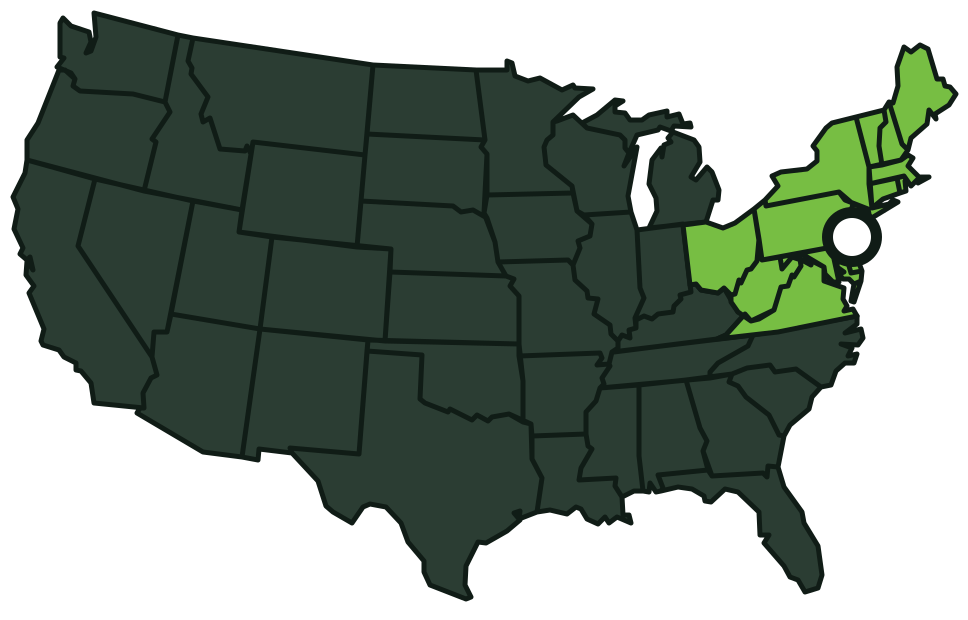
 Philadelphia, PA
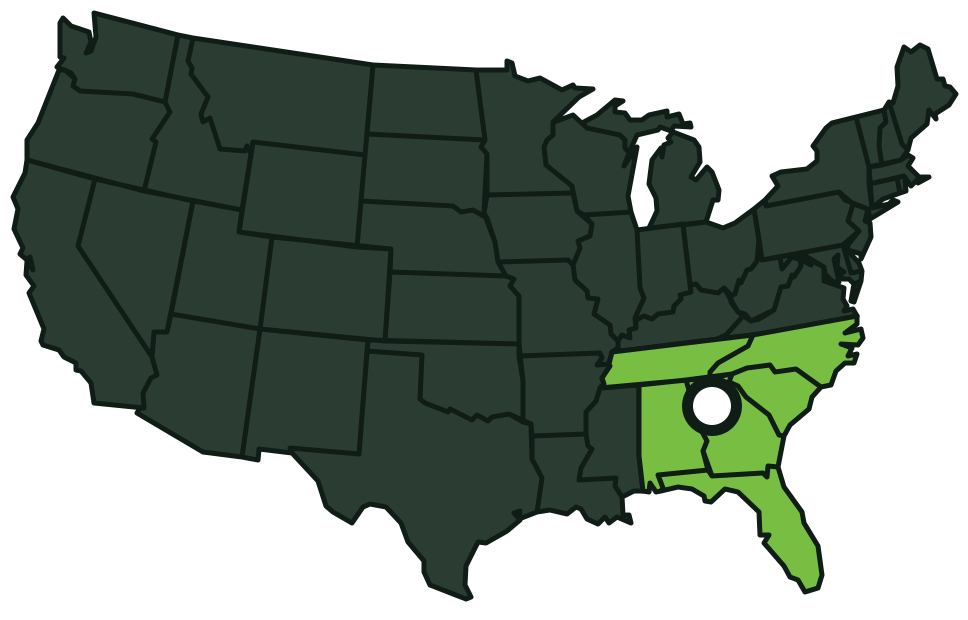 Atlanta, GA
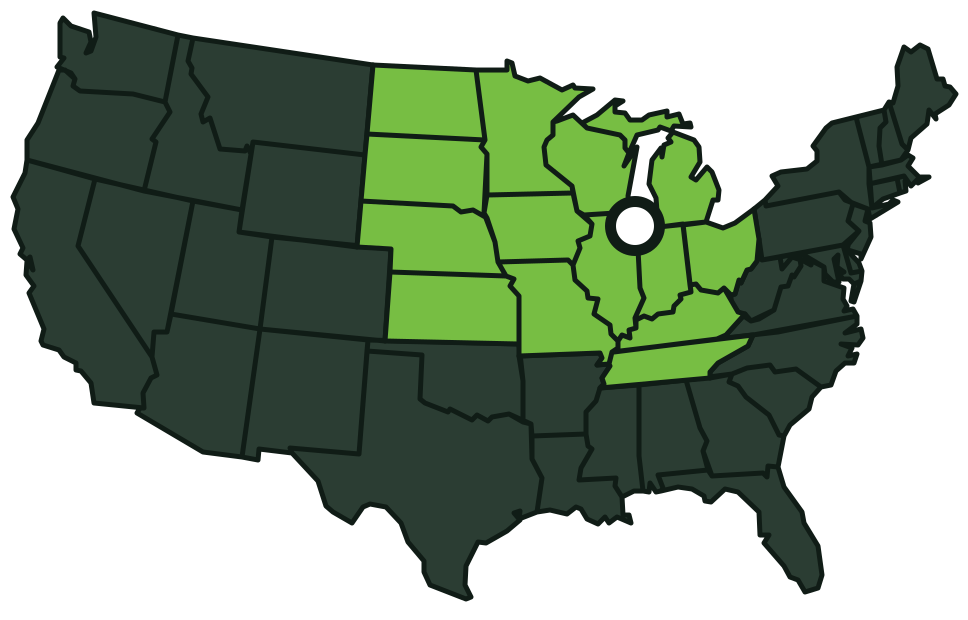 Chicago, IL
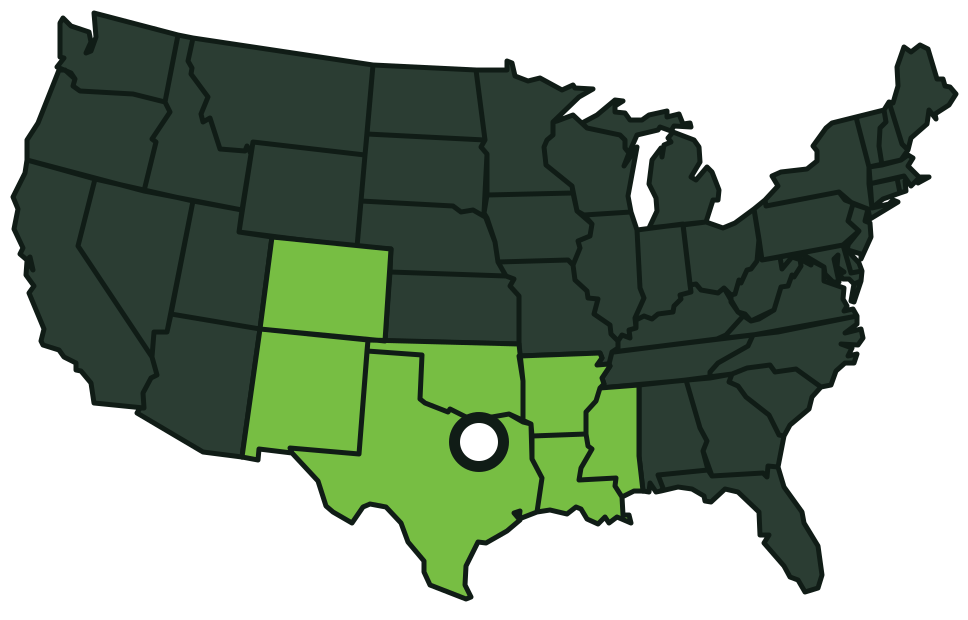 Dallas, TX
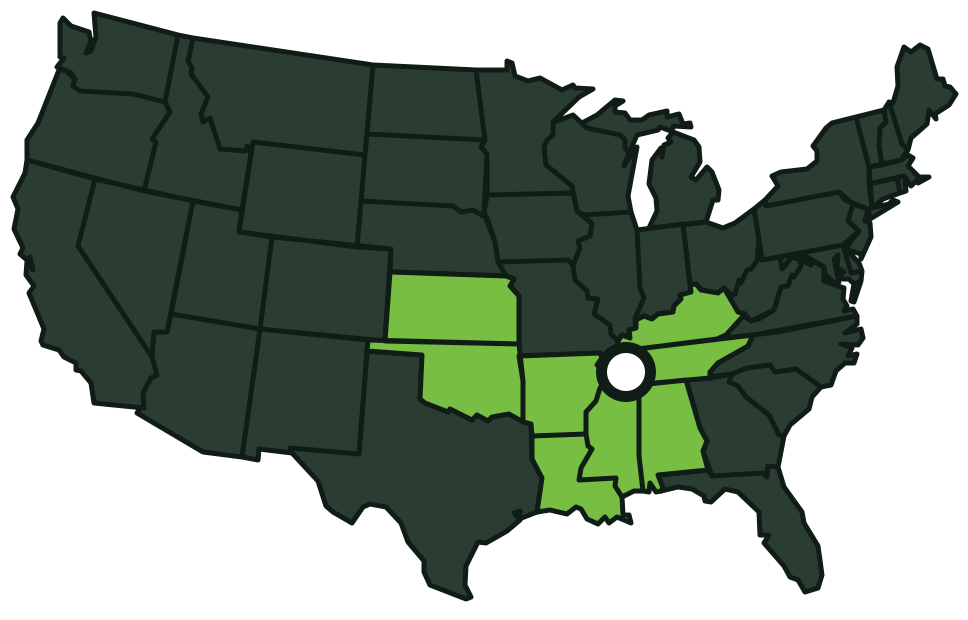 Jackson, TN
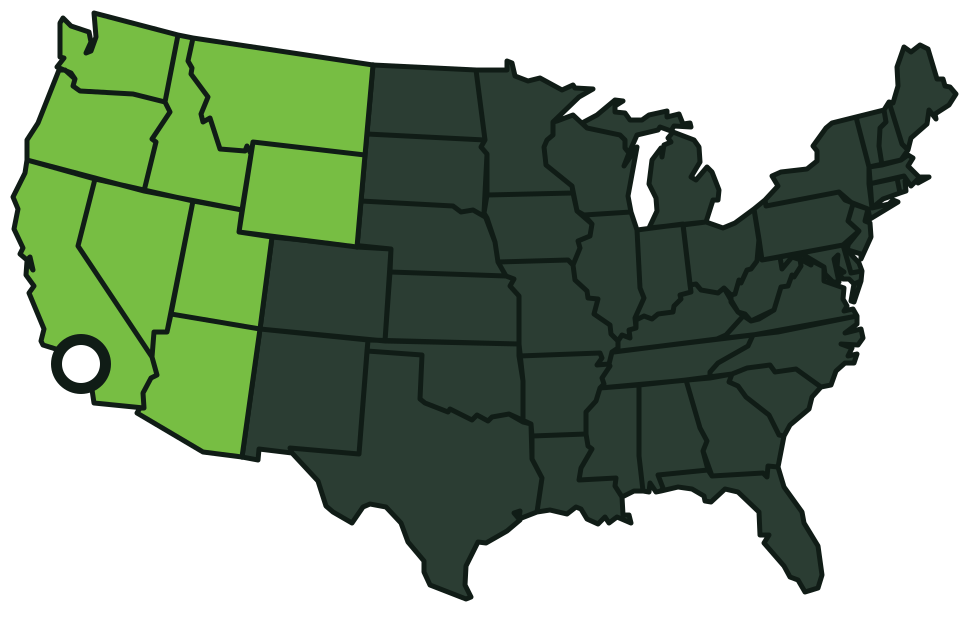 Los Angeles, CA
Plastics Plants: Injection Molding, Extrusion and Film
Injection molds cleaned on the press, resin and regrind dust handled as a fire hazard, and lines and overhead cleaned inside the downtime the plant already has. Planned around production, by full-time Kelly crews.
What brings the call in a plastics plant.
- Release agent, burnt resin and flash have built up in the cavities and vents, and today the only fix is pulling the mold and sending it out to soak.
- Pellet spills, regrind and fine resin dust have worked their way through hoppers, conveying lines and ducting, and no one has looked at that system as a fire risk.
- Collectors on the granulators and conveying lines are full, and the dust they should be catching is settling on the steel overhead.
- The structure above the molding cells and extrusion lines is carrying enough dust that it drops onto parts and equipment.
- Hydraulic oil from the presses has spread across floors, machine bases and steel, and it is now a slip risk and something that would feed a fire.
What the work looks like
in your building.
Why plastics cleans differently
A plastics plant has two jobs that ordinary cleaning methods get wrong. One is the tooling, where the surface matters as much as what is on it. The other is the dust, where the cleaning itself can create the hazard if it is done with the wrong equipment.
Mold steel is polished to a finish that costs real money, and water, grit, solvent soaks and high pressure all put that finish at risk. Dry ice does not. It strips the buildup without touching the steel, leaves nothing wet behind, and adds no media that has to be dug out of vents and ejector pins later.
Resin dust and regrind fines can burn, and they travel through hoppers, conveying lines, cyclones and collectors as part of normal production. Clearing that system is fire prevention, and it calls for tools and vacuums that will not spark.
Where the work is
- Injection molds, cavities, platens and tooling
- Presses, machine bases and the floors around them
- Extrusion lines, take-off and part handling equipment
- Conveyors, transfers and material movement between operations
- Material handling: hoppers, silos, ducting, granulators and regrind
- Dust collectors and cyclones on grinding and conveying lines
- Steel, lights and ducts above the molding cells and extrusion lines
Molds cleaned in place
Every shot leaves a little release agent, resin and carbon on the tool. Left alone it fouls vents, marks parts and eventually forces the mold out of the press for a soak, which costs more in lost press time than the cleaning ever would.
Cleaned with dry ice, the mold stays on the press. The buildup comes off, the steel stays as it was, and there is nothing to dry out or flush from the cavities before the next run. Kelly looks at the tooling first, agrees the scope with the plant, and fits the work to the tool change schedule instead of holding it for a shutdown.
The dust is in the system, not on the floor
A plastics plant can have a spotless production floor and still carry its biggest dust risk out of sight, inside the ducting, silos and collectors that move resin and regrind around the building. NFPA 660 asks the plant to know what the material is, keep accumulations below the limit, clean with equipment that cannot ignite it, and keep records.
Kelly works through the handling system itself, with bonded and grounded tools and explosion-rated vacuum, and the report covers the condition of the equipment as well as how much material came out.
Kelly’s own crews
The people inside the plant are Kelly employees, hired full-time and trained by Kelly. Nothing is handed to labor brokers or subcontractors, and when a plant, an insurer or a customer audit asks who was on site, the answer is a Kelly crew.
The standards this
plant type is held to.
The single combustible dust standard in force since December 2024. It applies to resin dust and regrind fines the same way it applies to any other combustible dust, and conveying systems, silos and collectors are where those fines collect in the quantities that make it matter.
Energy control and machine guarding. Presses, granulators and conveyors are locked out under the plant's own procedure, and the isolation is verified before anyone reaches into them.
The general duty to keep floors and walkways in a safe, tidy condition. Loose pellets, regrind and hydraulic oil underfoot are exactly what this rule is about, and they are behind most slips and falls in a molding or extrusion area.
What Kelly does here,
and in what order.
Two things decide how a plastics plant is cleaned. Tooling surfaces are costly and exact, which rules out water and grit on them, and the dust the process throws off can burn. So dry ice does the tooling work, and rated, grounded equipment does the dust work.
- 01 Industrial Dry Ice Blasting The method for tooling. Mold cavities, platens and fixtures are cleaned where they sit, without water, grit or leftover media, and in most cases without taking anything apart.
- 02 Combustible Dust Cleaning Resin and regrind dust in hoppers, conveying lines, ducting, silos and collectors, removed with bonded and grounded equipment and written up for the plant's records.
- 03 Industrial Vacuum Services Explosion-rated vacuum units with HEPA filtration, for fines and spilled pellets that need to be captured in place rather than blown around.
- 04 Baghouse and Dust Collector Service Collectors serving granulators, grinders and conveying lines emptied, inspected and fitted with new bags, so capture at the source holds up between visits.
- 05 Equipment, Conveyor and Line Cleaning Conveyors, part handling and extrusion line equipment, cleaned while the line is already stopped for a changeover.
- 06 Overhead Cleaning and High Dusting Steel, lights, ducts and roof structure above the molding cells and extrusion lines, cleaned under containment so nothing falls onto the lines below.
- 07 Oil and Grease Removal Floors, machine bases and structure around the presses where hydraulic oil has built up, with the chemistry chosen for the residue and the waste handled to the rules.
When a plastics plant can actually stop.
Plastics plants often run around the clock, so the work goes where production already stops: tooling changes, planned downs and shutdowns. Scopes booked against those windows get done.
- On the tooling schedule
- Mold cleaning planned around tool changes and preventive maintenance, which on a hard-running tool comes round much more often than a plant shutdown does.
- Changeovers
- Where line, conveyor and part handling cleaning belongs, because the equipment is already stopped and the restart is already planned.
- Weekends and planned downs
- Long enough for a bank of presses, one line, a collector or a section of overhead. Regular programs in a plastics plant mostly live in these windows.
- Planned shutdowns
- Where the larger scopes belong: plant-wide overhead, material handling systems, collectors and floors, with the scope agreed well ahead and the crew sized to the hours available.
Every service from crews
in six regions.
Every Kelly service is staffed in all six regions, so the crew that comes to your plant is the one based nearest to it. Coverage is all 48 contiguous states.
See the full territory map and the states each region covers on the service areas pages.
Asked before the quote.
Can a mold be cleaned while it is still in the press?
Is dry ice safe on a polished cavity?
What does cleaning a resin handling system involve?
Does the plant have to stop for this?
Who actually does the work?
Tell us about the facility. We'll tell you straight.
A specialist reviews every request, not a call center. All of our work is done on-site at your plant. We don't pick up parts or equipment to clean off-site. If it is not Kelly work, we will say so and point you in the right direction.