
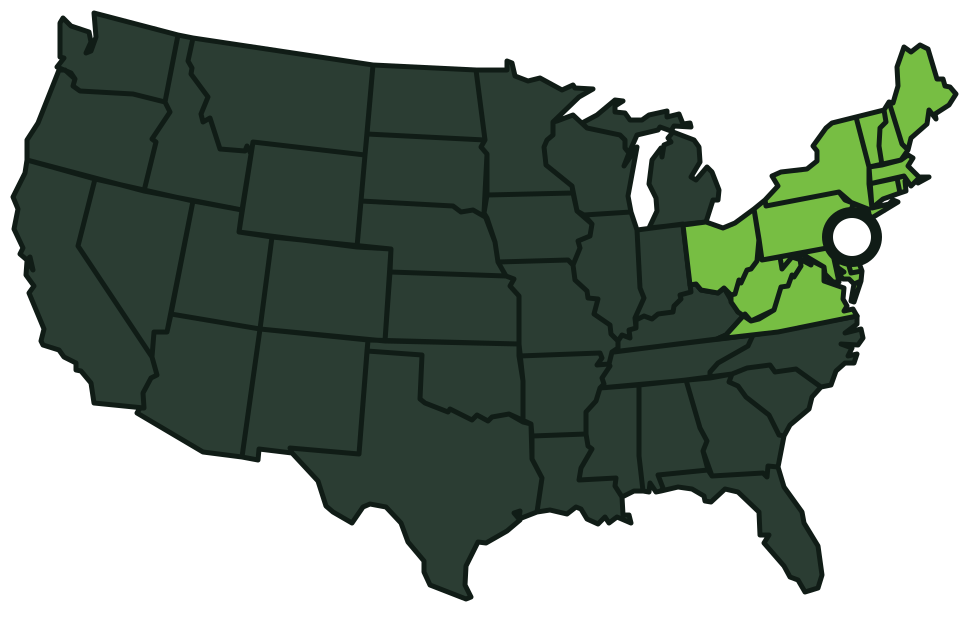
 Philadelphia, PA
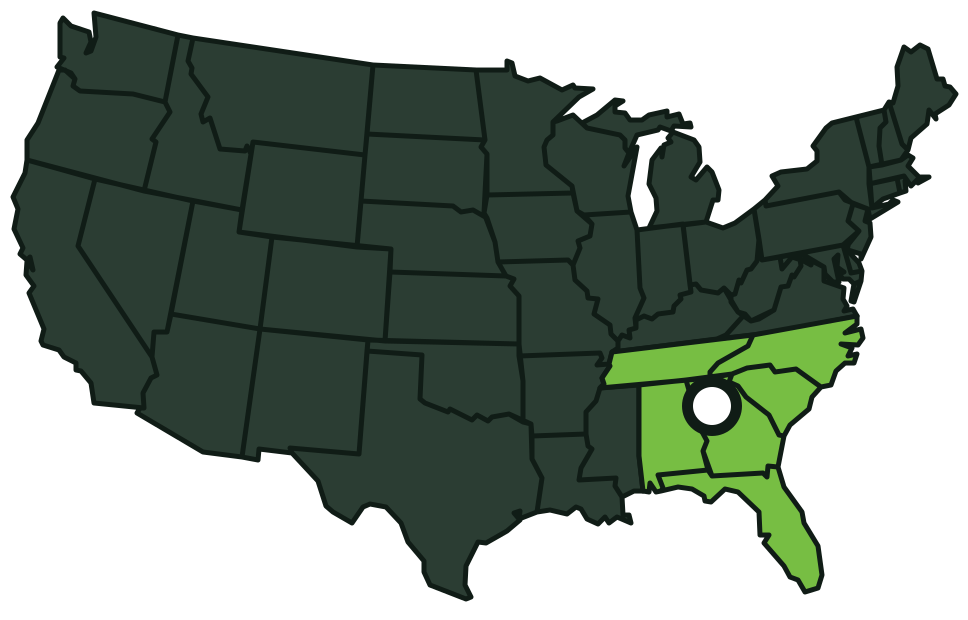 Atlanta, GA
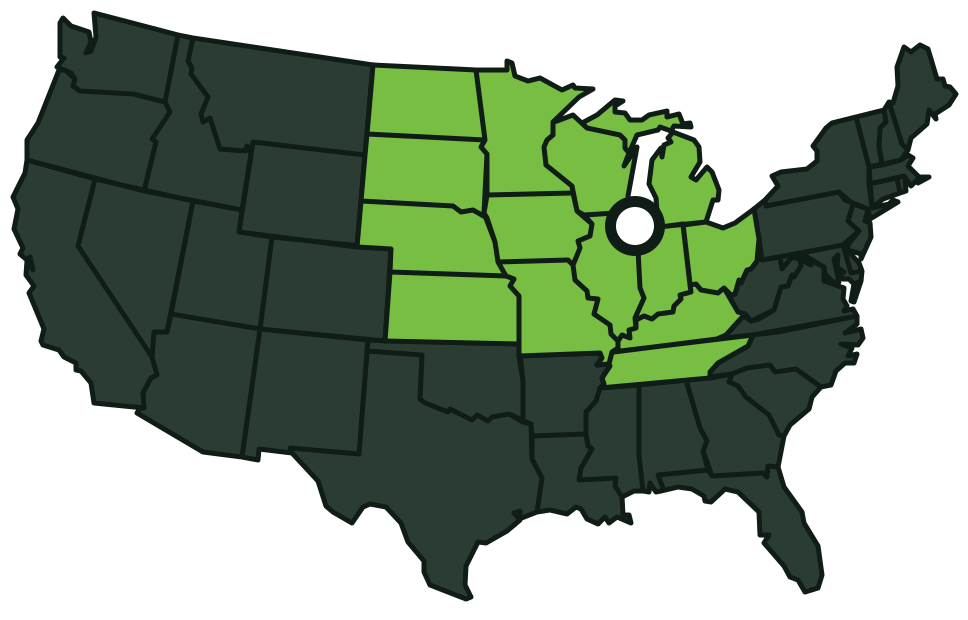 Chicago, IL
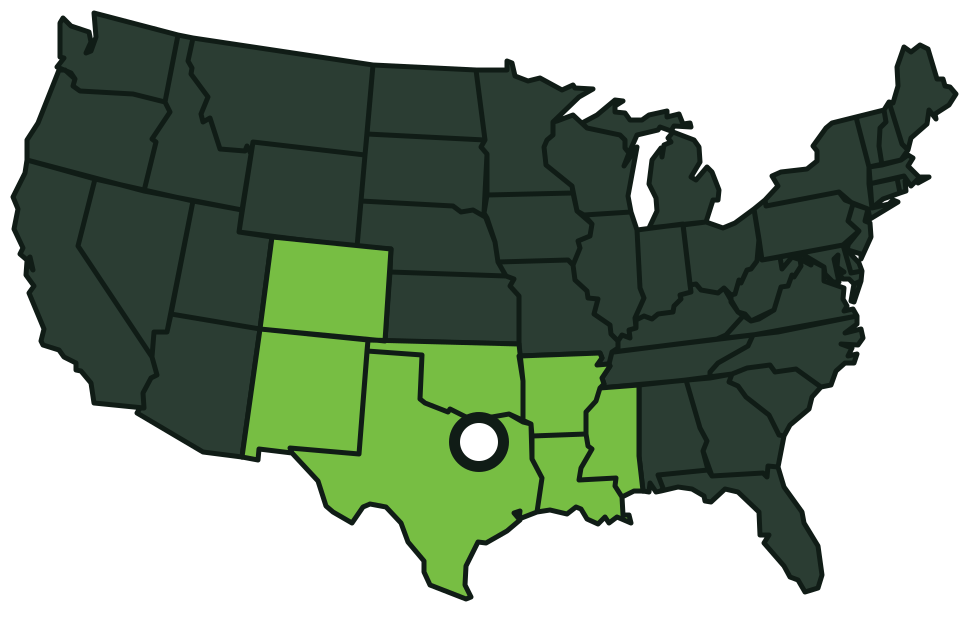 Dallas, TX
 Jackson, TN
 Los Angeles, CA
Corrugated Industrial Painting for Corrosion Control: Steel, Structural Beams, and Equipment
How corrugated industrial painting protects steel structures, beams, and equipment from corrosion in humid, high-traffic plant environments.
Corrosion is one of the most predictable failure modes in a corrugated plant, and also one of the easiest to underestimate. Rust develops slowly, mostly out of sight on structural steel, equipment housings, and piping, and by the time it’s visible enough to notice during a walk-through, the coating that was supposed to prevent it has usually already failed. Corrugated industrial painting exists primarily to interrupt that process - not to make the plant look newer, but to keep steel from losing structural capacity and equipment from failing early.
Why Corrugated Plants Corrode Faster Than Other Industrial Facilities
Corrosion needs moisture and oxygen, and corrugated plants supply both in abundance. Corrugators and starch systems keep ambient humidity elevated throughout production areas, washdown routines introduce standing water, and condensation forms readily on cooler steel surfaces near humid zones. Add airborne fiber dust, which holds moisture against a surface longer than a dry environment would, and you have conditions that accelerate corrosion well beyond what a typical warehouse or dry-goods facility experiences. Our post on Waterproofing and Sealing: Protecting Corrugated Plants from High-Moisture Environments covers where that moisture originates and how it moves through a facility.
Where Corrosion Risk Concentrates
Not every part of a corrugated plant corrodes at the same rate. In our experience, a handful of zones consistently show the earliest and most severe corrosion:
- Steel near corrugator bays - exposed to the highest ambient humidity and heat cycling in the plant
- Structural columns and beams near washdown areas - repeated wetting without adequate drying time between cycles
- Mezzanine supports and stairs in high-traffic zones - coating wear from foot traffic and impact exposes bare metal to moisture
- Piping and equipment near steam or boiler systems - thermal cycling stresses coatings faster than in ambient-temperature areas
- Roof structure and decking - direct exposure to weather combined with condensation from below
Our post on Structural Integrity and Safety: High-Moisture and High-Traffic Maintenance in Corrugated Plants covers how these high-moisture, high-traffic conditions combine to put structural elements at risk beyond what a routine visual inspection tends to catch.
Why Standard Paint Isn’t Enough
A lot of corrugated facilities inherit coatings that were specified for general industrial use rather than for the specific corrosion risks of paper conversion. Standard alkyd or basic acrylic coatings can hold up reasonably well in a dry, low-humidity building, but they degrade quickly under the humidity cycling and chemical exposure common in a corrugated plant. Corrosion-control coatings for this environment generally need to account for:
- Moisture resistance that holds up under sustained humidity, not just occasional exposure
- Chemical resistance to starch, adhesives, and cleaning agents
- Thermal tolerance for zones near corrugators, dryers, or boiler equipment
- Abrasion resistance for structural elements in high-traffic or high-impact areas
Choosing the wrong coating system for a given zone is one of the most common reasons a “recent” paint job is already showing rust within a couple of years.
Surface Preparation Determines Whether the Coating Holds
Even the right coating system fails prematurely if it’s applied over a contaminated or improperly prepped surface. Starch residue, dust, and existing rust all interfere with adhesion, which means the cleaning and prep phase of a corrosion-control painting project is just as important as the coating itself. This is the connection point between painting and cleaning that plant managers most often overlook - a painting budget spent without an adequate cleaning and prep phase tends to underperform regardless of the product used. Our Corrugated Industrial Cleaning 101 guide covers what a cleaning program should address before a coating project begins.
Corrugated and packaging plants
Enterprise Facility Maintenance Programs for Large Corrugated Plants
High-volume corrugated plants need a maintenance partner that scales - multiple lines, tight shutdown windows, and consistent standards.
Read moreHow Often Should You Schedule Corrugated Industrial Cleaning?
A zone-by-zone breakdown of how often corrugated industrial cleaning should happen - from daily wipe-downs to deep corrugator cleaning - to protect uptime and safety.
Read moreSpecialized Industrial Roof Coatings for Corrugated and Packaging Plants
Corrugated and packaging plants put unique heat, humidity, and dust stress on a roof. See what specialized industrial roof coatings need to address in these facilities.
Read moreTell us about the facility.
We'll tell you straight.
A specialist reviews every request, not a call center. If it is not Kelly work, we will say so and point you in the right direction.