
 Philadelphia, PA
 Atlanta, GA
 Chicago, IL
 Dallas, TX
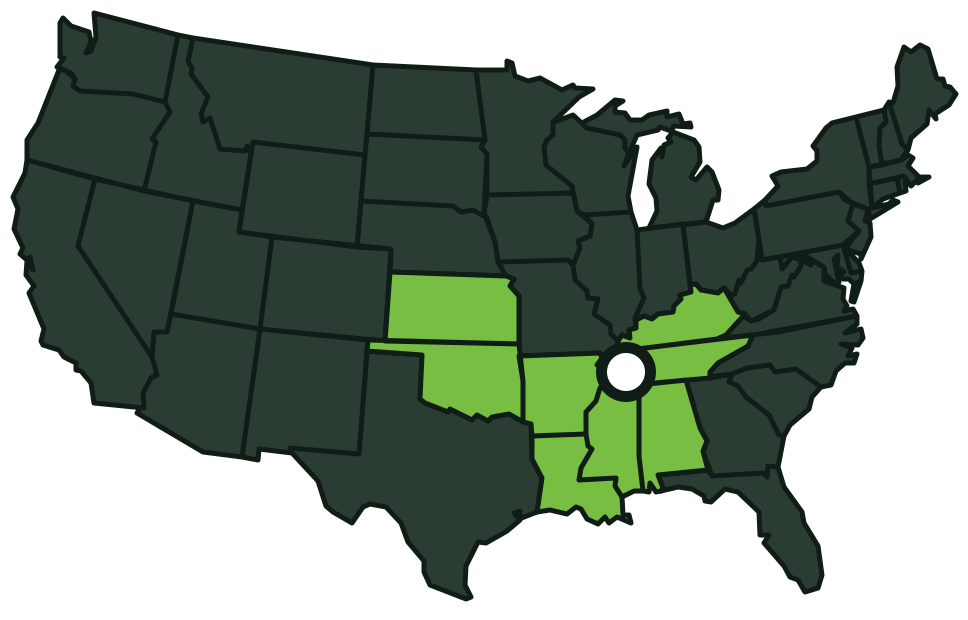 Jackson, TN
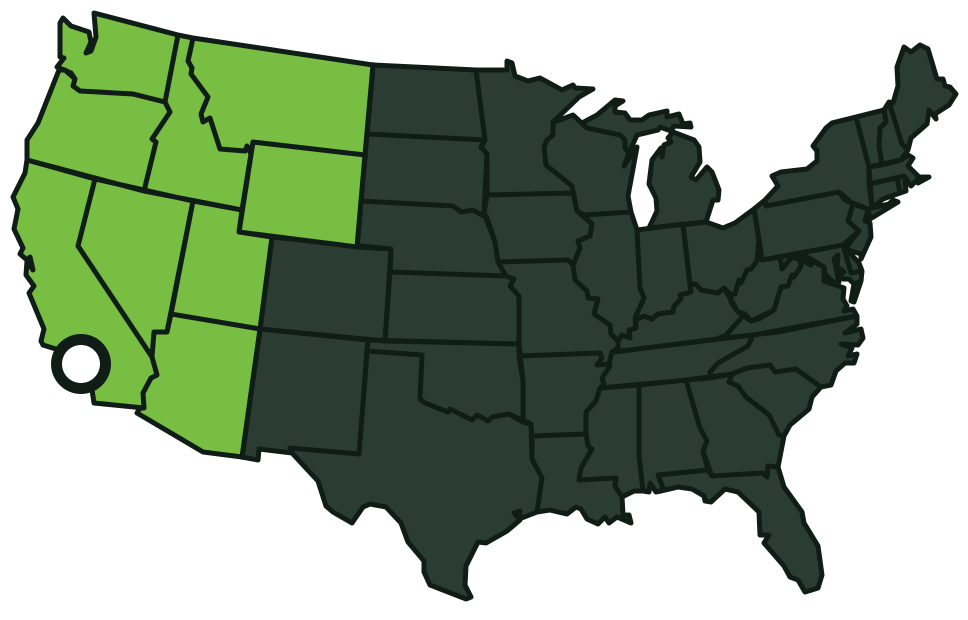 Los Angeles, CA
OSHA & Insurance Audit Readiness for Paper & Tissue Mills: A Facility Condition Checklist
What OSHA inspectors and insurance auditors actually look for in paper and tissue mills, and how to prepare a facility ahead of time.
A mill can look clean and still fail an OSHA walkthrough or an insurance loss-prevention inspection, because “clean” and “compliant” aren’t the same thing. Auditors are looking for documented, ongoing control - evidence that dust levels, structural condition, and confined-space practices are managed on a schedule, not addressed only when someone happens to notice a problem.
This post pulls together several threads from earlier in this series into a practical readiness checklist, drawing on our coverage of NFPA 654 dust compliance, silo cleaning, and boiler room coatings.
What Auditors and Inspectors Actually Check
Documented dust hazard analysis and cleaning cycle. It’s not enough to have clean rafters on the day of the inspection. Auditors want to see a Dust Hazard Analysis and a documented, recurring cleaning schedule that shows the facility manages this proactively, not reactively.
Confined-space entry procedures. For any facility with silos or below-grade pits, inspectors will look for documented confined-space entry protocols, atmospheric testing records, and evidence that crews entering these spaces are properly trained and certified - not just that the space itself is clean.
Structural condition and coating records. Visible rust bleed-through, peeling coatings, or unaddressed corrosion on structural steel are treated as a general indicator of how seriously a facility takes maintenance overall, even in areas the specific audit isn’t formally scoring. A documented coating and inspection history helps demonstrate proactive care rather than reactive patchwork.
Housekeeping in high-heat and mechanical areas. Boiler rooms and steam piping runs get specific attention given the fire and burn risk if maintenance has been deferred - the kind of work we cover in our post on boiler room coatings.
Building a Pre-Audit Cycle Instead of a Pre-Audit Scramble
The mills that consistently pass audits without incident treat the audit date as a checkpoint, not a deadline to work toward. That typically means:
- A documented cleaning cycle for dust-prone zones, timed to your outage schedule and covered in more detail in our post on scheduling around mill shutdowns
- A structural and coating inspection built into the same outage cycle, so issues get caught and scheduled for repair well before an auditor finds them
- Photographic and written documentation from every cleaning and coating cycle, kept on file and readily available when an inspector or insurer asks for it
Documentation Is Part of the Job, Not an Afterthought
Every Kelly Industrial job includes photographic before-and-after documentation and signed completion records, specifically because that paper trail is what turns an audit into a formality rather than a crisis. This is standard practice across our Paper Mill & Tissue Facility Cleaning programs, and it’s built into every engagement regardless of whether an audit is on the calendar yet.
Getting Ahead of the Next Inspection
If your mill’s last audit turned up findings that are still open, or if you’re not confident your current documentation would hold up under a walkthrough today, the right move is an assessment before the inspector schedules one for you.
In the final post of this series, we’ll bring everything together with a practical guide to choosing an industrial cleaning partner for a paper or tissue mill - what to actually ask, and what separates a contractor who can handle this work from one who only thinks they can.
Paper and tissue mills
Pulp Storage and Silo Cleaning: Preventing Bridging, Contamination, and Capacity Loss in Paper Mills
Why pulp and fiber storage silos need regular cleaning in paper mills, and how bridging, buildup, and contamination affect capacity and safety.
Read moreScheduling Around Mill Shutdowns and Outages: What Paper & Tissue Plants Need From a Contractor
What paper and tissue mills should look for in a cleaning contractor’s ability to execute during planned shutdowns and outages.
Read moreWall, Ceiling, and Structural Restoration for Paper Mills in High-Humidity Environments
How constant heat and humidity in paper mills accelerate corrosion and coating failure, and what a structural restoration program should address.
Read moreTell us about the facility.
We'll tell you straight.
A specialist reviews every request, not a call center. If it is not Kelly work, we will say so and point you in the right direction.