
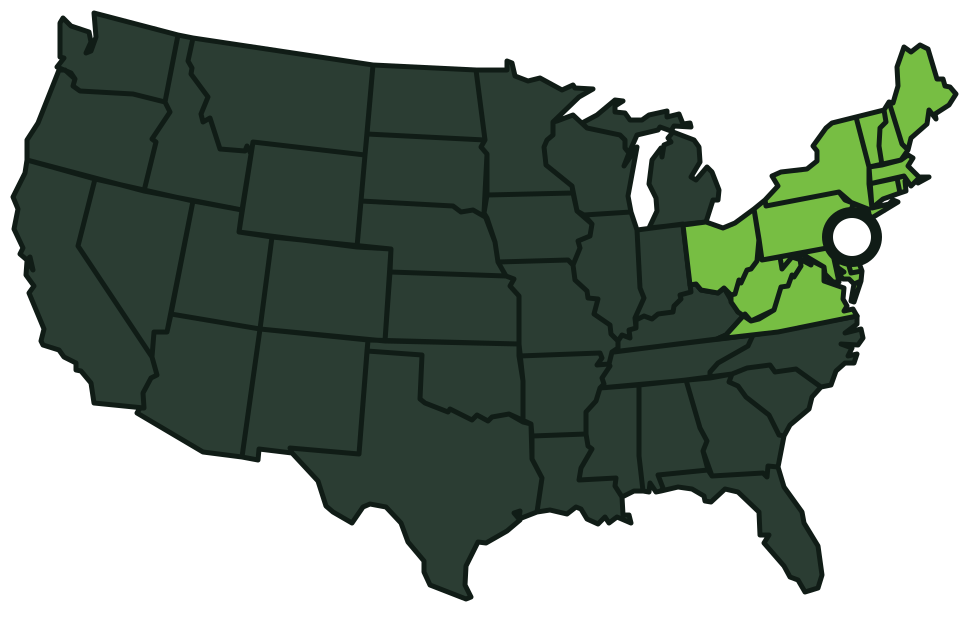
 Philadelphia, PA
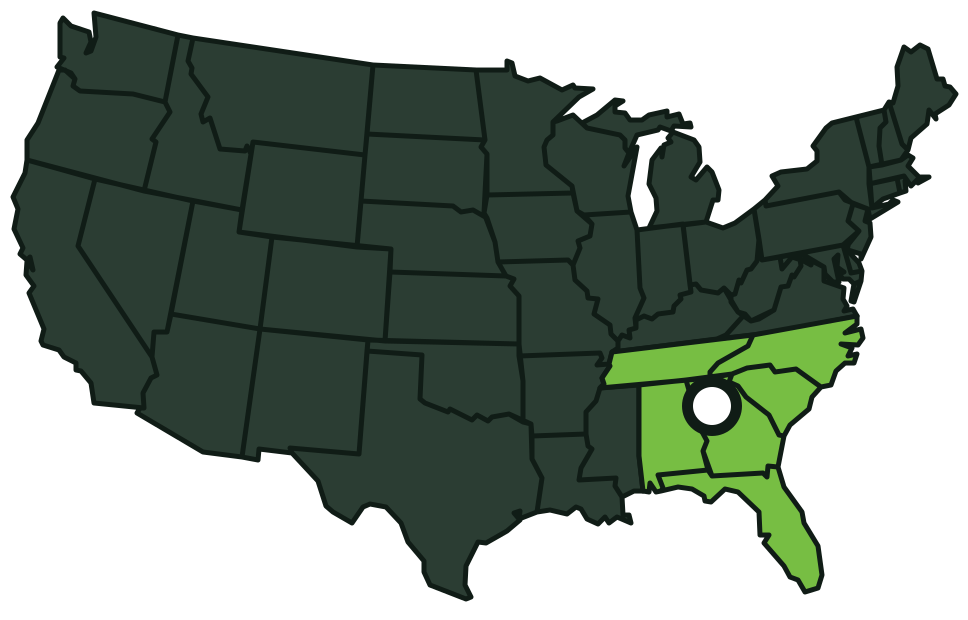 Atlanta, GA
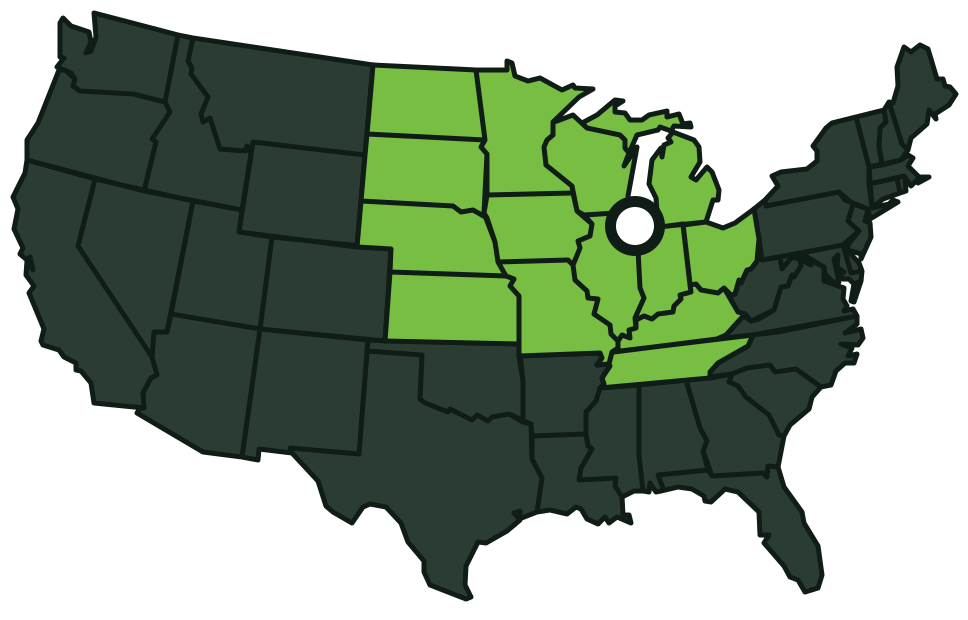 Chicago, IL
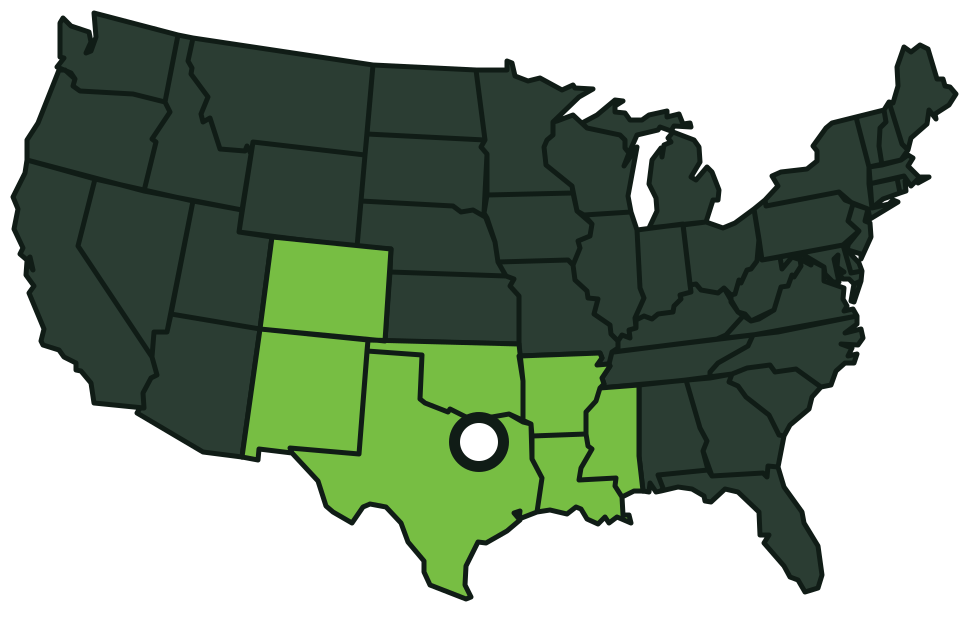 Dallas, TX
 Jackson, TN
 Los Angeles, CA
Industrial Facility Cleaning: The Complete Guide for Safer, Cleaner, and More Efficient Operations
Cleaning frequencies, safety zones, dust control, and vendor selection for industrial facility managers. What actually gets audited. Practical playbook.
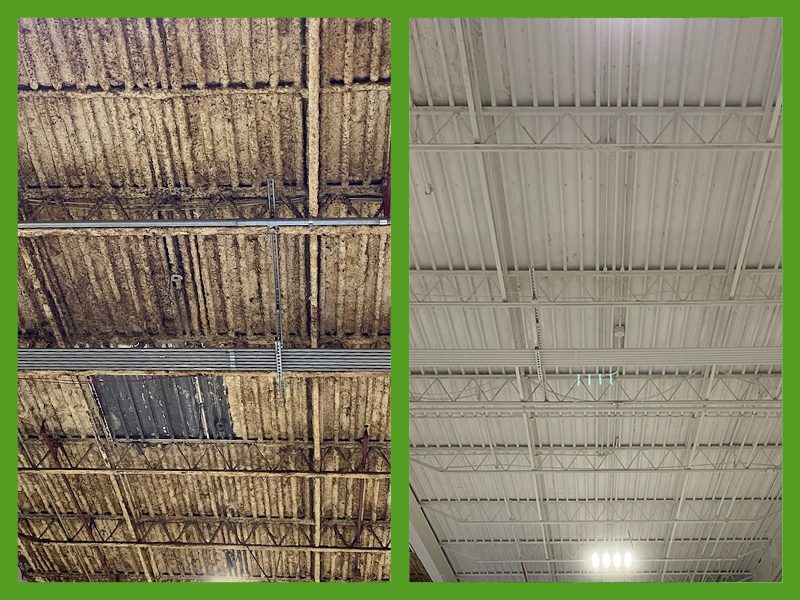
Industrial facilities don’t operate like traditional workplaces - and they shouldn’t be cleaned like them either. Manufacturing plants, corrugated operations, food processing facilities, warehouses, distribution centers, and heavy industrial environments build up debris at a pace that daily janitorial routines can’t keep up with. Oils, residue, dust, fibers, and airborne contaminants accumulate across equipment, ceilings, rafters, floors, and production lines faster than people realize.
That’s why industrial facility cleaning exists. It’s specialized. It’s technical. And when done right, it supports safety, compliance, productivity, and operational longevity. For forty years, Kelly Industrial Services has delivered industrial cleaning programs that fit real plant conditions - not surface-level expectations - helping facilities stay efficient, inspection-ready, and safer for employees.
This comprehensive guide explains what industrial facility cleaning includes, why it matters, what methods are used, and how the right partner can help keep your operation running at its best.
What Is Industrial Facility Cleaning?
Industrial facility cleaning is the deep, technical cleaning required for environments that produce heavy dust, debris, oils, or residue. Unlike commercial or janitorial cleaning, industrial cleaning is performed by trained technicians who understand complex machinery, high ceilings, overhead structures, and the safety protocols required in active production environments.
It involves a full-facility approach to contaminants - cleaning from the top of the rafters all the way down to the production floor. This includes:
Overhead dust removal, rafter cleaning & structural steel cleaning
Dust and debris settle high above eye level and pose safety, contamination, and fire risks.
Machinery & equipment cleaning
Exterior surfaces, housings, operator areas, and equipment bases require regular attention to prevent performance issues.
Degreasing and surface cleaning
Grease buildup affects equipment safety and floor traction.
Floor, wall, and ceiling cleaning
Industrial environments accumulate airborne residue that settles everywhere.
High-touch and shared-surface disinfecting
Controls, stations, railings, and break rooms require routine sanitation.
Preparation for painting & coating
Cleaning is the foundation for long-term surface protection.
Kelly Industrial Services performs all facets of industrial facility cleaning, using methods tailored to the specific environment, industry, and production requirements.
Why Industrial Cleaning Matters More Than Ever
Modern industrial operations face more pressure than ever: tighter production schedules, greater regulatory oversight, and increasing demands on equipment. Cleanliness directly impacts all of these areas.
Industrial facility cleaning supports:
• Safer working conditions
Removing debris, oils, and contaminants reduces slip hazards, respiratory risks, and overhead dangers.
• Equipment efficiency and life extension
When machinery stays clean, it runs cooler, lasts longer, and operates with fewer unplanned breakdowns.
• Higher-quality products & fewer defects
Dust and residue can compromise product integrity - especially in packaging, food processing, and high-precision manufacturing.
• Reduced fire risk
Combustible dust is a major concern in facilities like corrugated manufacturing, paper processing, textiles, and woodworking.
• Compliance readiness
Facilities that stay clean perform better during OSHA, safety, and internal inspections.
• Better employee morale
Clean spaces support a safer, more professional work environment.
Kelly’s approach to facility cleaning considers not just the visible areas, but the underlying structures and systems that contribute to long-term operational performance.
The Hidden Risks of an Unclean Industrial Environment
Many facility issues begin where workers don’t look - overhead structures, behind equipment, inside housings, or on the surfaces operators interact with every day. Without industrial cleaning, these risks accumulate:
Overhead Dust & Debris
Dust sitting on rafters, structural steel, or ceiling supports eventually falls onto production lines, machinery, and product.
Combustible Dust Hazards
Fine particles generated by corrugated plants, paper mills, or food operations can ignite when proper cleaning isn’t performed.
Oil & Grease Accumulation
Industrial floors and machinery surfaces naturally collect oils that create safety hazards and equipment performance issues.
Reduced Air Quality
Clogged vents and airborne debris impact both employee health and sensitive production processes.
Shortened Equipment Lifespan
Machinery clogged with dirt or residue must work harder - increasing wear and risk of failure.
Kelly’s technicians are trained to identify these hidden risks and eliminate them before they impact safety or operations.
Core Components of Industrial Facility Cleaning
Industrial facility cleaning consists of multiple service categories, each designed to address specific contaminants and facility needs. Kelly’s cleaning programs typically include:
1. Overhead & Structural Cleaning
Overhead areas accumulate dust and contaminants that affect safety and equipment health. Cleaning these areas protects the entire facility.
2. Machinery & Equipment Cleaning
Removing residue from machinery exterior surfaces keeps equipment running smoothly and reduces overheating.
3. Floor & Surface Cleaning
Industrial floors gather debris, oils, and dust that need routine removal for safe operations.
4. Wall & Vertical Surface Cleaning
Walls absorb airborne particulate that must be cleaned to maintain air quality and sanitation.
5. High-Touch Surface Disinfecting
Shared equipment, stations, controls, and offices require routine sanitization.
6. Specialty Cleaning Methods
Dry ice blasting, degreasing, and abrasive cleaning provide deeper cleaning when needed.
Kelly uses these methods to create full-facility cleaning programs tailored to each client’s equipment, industry, and production cycle.
High-Priority Zones in Industrial Facilities
Some areas accumulate contaminants more quickly and become major safety hazards if not cleaned routinely. These zones include:
Production Floors
Constant traffic, materials movement, and operator activity cause dust, debris, and residue to build up rapidly.
Operator Workspaces & Equipment Stations
Controls, touchpoints, and equipment bases require recurring cleaning for both hygiene and equipment safety.
Material Handling Areas
Forklift routes and loading docks accumulate debris that can impact safety and flow efficiency.
Break Rooms, Restrooms & Locker Areas
These high-traffic employee zones require targeted disinfecting.
Ceilings, Rafters & Structural Steel
Overhead areas collect dust that eventually contaminates the facility below.
Kelly’s cleaning plans prioritize these high-impact zones to restore and maintain plant-wide safety.
Overhead & Structural Cleaning
One of the most overlooked but critical components of industrial cleaning is overhead dust removal. While it may not be visible from the floor, overhead debris:
- contaminates products
- falls onto machinery
- causes respiratory issues
- increases fire risk
- impacts air quality
Kelly uses high-reach vacuums, lifts, dry ice blasting, and specialized equipment to clean structural steel, rafters, ducts, and other elevated surfaces safely and efficiently.
A clean overhead structure means a cleaner, safer environment for everything below it.
Machinery & Equipment Cleaning
Industrial machinery is the heart of any facility. When it’s dirty, everything slows down. Kelly provides machinery cleaning that protects the equipment you rely on.
Degreasing
Removes oils, lubricants, and buildup from motors, gearboxes, conveyors, and assemblies.
Scraping
Clears hardened debris, adhesives, and residue that accumulate around machinery bases and surfaces.
Dry Ice Blasting
Safe for electrical components and removes debris without moisture or abrasion.
Surface Prep & Painting
Protective coatings extend machine life and prevent rust or contamination.
Clean machinery performs better, lasts longer, and reduces the risk of sudden, costly downtime.
Floor, Wall & Rafter Cleaning
Industrial floors encounter spills, dust, oils, and debris every single day. Walls and rafters collect airborne contaminants that eventually land on production lines.
Kelly performs:
- power scrubbing
- degreasing
- HEPA dust removal
- wall washing
- ceiling deck cleaning
- rafter and beam cleaning
Together, these processes create a cleaner, safer plant from floor to ceiling.
Degreasing, Dry Ice Blasting & Specialty Cleaning Methods
Every facility requires unique cleaning techniques. Kelly’s team selects the right method for each environment, including:
Dry Ice Blasting
Ideal for electrical equipment, sensitive machinery, and areas that cannot get wet.
Pressure Washing
Used for washable surfaces, docks, and exteriors.
Solvent Degreasing
For heavy mechanical components or machinery coated in oils.
Abrasive Blasting
Used when preparing surfaces for painting or coating.
Manual Detailing
For intricate machine parts, operator areas, and hard-to-reach zones.
These specialty methods are part of Kelly’s full-service approach to factory and facility cleaning.
Food-Safe & Sanitized Industrial Environments
Food and packaging facilities demand strict cleaning schedules to maintain hygiene and meet regulatory standards. Kelly helps these operations:
- remove biofilm and residue
- disinfect high-touch zones
- sanitize equipment and surfaces
- maintain USDA/FDA compliance
- support safe food-handling conditions
Cleanliness here directly affects consumer safety.
The Role of Industrial Painting & Coating in Cleanliness
Industrial cleaning is often the first step before applying protective coatings. These coatings:
- prevent corrosion
- improve surface durability
- reduce contaminants
- support OSHA safety marking
- make future cleaning easier
Kelly performs industrial painting and coating services that complement ongoing cleaning programs - creating long-term protection for both equipment and structural surfaces.
Dry Ice Blasting as Part of a Facility Cleaning Program
Dry ice blasting has become one of the most effective modern solutions for industrial environments that cannot tolerate moisture, abrasion, or residue. Instead of using water or chemicals, dry ice blasting uses CO₂ pellets that instantly sublimate on impact - lifting dirt, grease, carbon buildup, and residue without leaving anything behind.
This technique is ideal for:
- electrical components and panels
- motors, drives, and gearboxes
- presses and converting equipment
- machinery housings and exteriors
- equipment bases and platforms
- confined or sensitive environments
For facilities running continuous production or working with sensitive machinery, dry ice blasting makes it possible to clean effectively without long downtime. It’s also a core specialty of Kelly Industrial Services - our technicians are trained to use dry ice blasting efficiently, safely, and with minimal disruption to your operations.
Preventive Maintenance in Corrugated Manufacturing
Corrugated plants are among the most demanding environments when it comes to cleaning and maintenance. Adhesives, paper fibers, dust, and starch accumulate rapidly on:
- corrugators
- glue machines
- slitters and scorers
- conveyors
- platforms and walkways
- overhead rafters
- structural steel
This buildup affects machine performance, safety, air quality, and even product appearance. Preventative maintenance - paired with routine industrial cleaning - is essential to minimize downtime, protect worker health, and maintain production quality.
Key benefits of routine cleaning in corrugated environments include:
- fewer web breaks
- reduced fire hazards
- improved airflow
- longer equipment life
- stable production output
- better operator visibility
- safer work surfaces
Kelly Industrial Services has decades of experience inside corrugated manufacturing facilities, which gives us unique insight into what needs cleaning, how often, and how to clean around running machinery without slowing production.
Roof Cleaning, Coating & Maintenance
Industrial roofing systems face constant exposure to dust, moisture, thermal expansion, exhaust, and environmental wear. Over time, these conditions cause roofs to deteriorate, leak, and introduce contamination into the facility below.
Roof cleaning and maintenance include:
- clearing dust, debris, and standing water
- removing organic growth
- cleaning around penetrations and equipment mounts
- performing surface prep for coatings
- applying roof coating or restoration systems
High-quality roof coatings extend roof life by 10-20 years and help prevent leaks that could damage equipment or interrupt production. Reflective coatings also improve energy efficiency - an important factor for facilities with large roof spans or heat-producing operations.
Kelly performs both roof cleaning and coating work as part of long-term maintenance programs, ensuring your building envelope stays strong while reducing the need for premature roof replacement.
How Often Should an Industrial Facility Be Cleaned?
Cleaning frequency depends on production volume, industry type, material flow, dust output, and regulatory standards. Most facilities benefit from a layered cleaning approach:
Daily
Basic sweeping, visible debris removal, and spill response.
Weekly
High-traffic area cleaning, break room sanitation, and targeted machinery wipe-downs.
Monthly or Quarterly
Ceiling, wall, and machinery cleaning to address accumulated dust and residue.
Semi-Annual or Annual
Full facility deep cleaning, rafter cleaning, overhead dust removal, machinery degreasing, and floor restoration.
Industries such as corrugated manufacturing, food processing, metal fabrication, and paper production often require more frequent cleanings due to high particulate and material output. For metalworking and other production plants, Kelly’s manufacturing facility cleaning page sets out a typical scope area by area, in the order the work usually goes.
Kelly works with clients to develop customized schedules that reflect their production cycles, shutdown windows, and facility needs - ensuring a clean plant without interrupting output.
How to Choose the Right Industrial Cleaning Partner
The right industrial cleaning provider should enhance safety, extend equipment life, and reduce operational risk. When evaluating cleaning partners, look for:
Experience in Industrial Environments
Not all cleaning contractors understand machinery, shutdown schedules, or safety protocols. Industrial facilities need specialists.
Trained Technicians (Not Subcontractors)
Direct employees ensure consistent quality, safety, and accountability - all Kelly technicians are trained in PPE, plant safety, and industrial environments.
Full-Service Capabilities
Overhead cleaning, machinery cleaning, degreasing, dry ice blasting, floor care, and surface prep should all be available under one provider.
Plant-Safe Scheduling
Your provider must work around production windows, shutdown periods, or overnight hours - a core part of Kelly’s service model.
Compliance & Safety Orientation
They should understand OSHA regulations, industry safety standards, and environmental guidelines.
Nationwide Availability
For multi-facility organizations, consistency across locations is essential - another Kelly advantage.
Choosing the right partner means elevating your facility’s safety and operational reliability.
Why Kelly Industrial Services Leads in Industrial Cleaning
For forty years, Kelly Industrial Services has supported facilities across manufacturing, corrugated operations, food processing, warehousing, utilities, and heavy industrial environments. Our approach is built on three pillars:
Who We Are
A nationwide industrial cleaning leader with decades of experience working inside active, high-demand facilities.
What We Do
We provide full-service industrial cleaning - from floor to ceiling, from machinery to structural steel - using methods that protect equipment, improve safety, and reduce downtime.
Why Us
- No subcontractors - ever
- Trained, safety-certified technicians
- Nationwide mobilization
- Specialty cleaning capabilities
- Flexible scheduling around operations
- Deep knowledge of industrial environments
- Long-term maintenance programs
- Consistent results at every facility
Kelly doesn’t offer commercial cleaning dressed up as “industrial.” We offer true industrial facility cleaning designed for the environments where precision, safety, and reliability matter most.
Final Thoughts: Clean Facilities = Safe, Productive Facilities
A clean industrial facility isn’t just visually appealing - it’s foundational to operational success. Overhead structures, machinery, production floors, and employee areas all require ongoing care to maintain safety, prevent equipment issues, and support smooth production flow. With the right cleaning strategy and the right partner, facilities operate more efficiently, experience fewer downtime events, and create safer, healthier environments for their teams.
Industrial facility cleaning is not a task - it’s an investment. And Kelly Industrial Services helps facilities make that investment count.
Ready to Improve Facility Safety and Performance?
Partner With Kelly Industrial Services for True Industrial-Grade Cleaning
From overhead structures to production floors, Kelly delivers full-facility cleaning built around your equipment, your schedule, and your operational needs. With trained technicians, zero subcontractors, and nationwide mobilization, we help facilities stay cleaner, safer, and ready for whatever comes next.
Let’s build a cleaning program that supports your goals - not disrupts them.
Get a Custom Facility Cleaning Plan
Frequently Asked Questions
1. What’s the difference between industrial cleaning and standard janitorial cleaning?
Industrial cleaning targets machinery, overhead structures, floors, walls, rafters, and high-risk zones using specialized equipment and trained technicians. Janitorial cleaning focuses on surface-level tasks such as sweeping, mopping, and general tidying.
2. How often should an industrial facility be professionally cleaned?
Most facilities benefit from quarterly or semi-annual deep cleanings, with monthly or weekly services for high-dust or high-traffic environments. Corrugated, food processing, and paper operations often require more frequent cleaning.
3. Do you clean around active production?
Yes. Kelly schedules cleaning around your shifts, downtime, or planned maintenance windows to avoid disrupting operations. We can work overnight, during weekends, or in phases depending on your needs.
4. What areas of a facility do you clean?
We clean ceilings, rafters, structural steel, machinery, equipment bases, floors, walls, overhead ductwork, operator zones, break rooms, restrooms, and any area where debris or contaminants accumulate.
5. Do you offer dry ice blasting for sensitive equipment?
Yes. Dry ice blasting is one of our core specialties. It’s non-abrasive, moisture-free, and ideal for motors, drives, electrical panels, and components that shouldn’t come into contact with water or chemicals.
6. Can you support multi-location or nationwide facilities?
Absolutely. Kelly Industrial Services mobilizes crews across the U.S., providing consistent quality and safety standards for multi-facility organizations.
7. Are your technicians employees or subcontractors?
Every technician on-site is a trained Kelly employee. We do not use subcontractors, ensuring full accountability, consistent safety practices, and high-quality results at every facility.
8. Do you create custom cleaning programs?
Yes. We evaluate your equipment, production schedule, industry requirements, and contamination risks to build a custom cleaning program that fits your facility’s workflow and long-term goals.
Industrial facility cleaning
Why Large Manufacturers Choose a Single-Source Industrial Services Contractor
Managing cleaning, painting, and coatings through one accountable contractor reduces risk and inconsistency for large manufacturing facilities. Here's why it matters.
Read moreHow Industrial Cleaning Can Boost Workforce Productivity
From safer and more efficient equipment to a brighter, more lit warehouse, you and your employees can greatly benefit from a clean and well-maintained site.
Read moreHow Much Do Quality Industrial Cleaning Services Cost?
Real-world pricing ranges for overhead cleaning, dust remediation & pit cleaning by facility size, industry, and scope. What drives cost up or down.
Read moreTell us about the facility.
We'll tell you straight.
A specialist reviews every request, not a call center. If it is not Kelly work, we will say so and point you in the right direction.